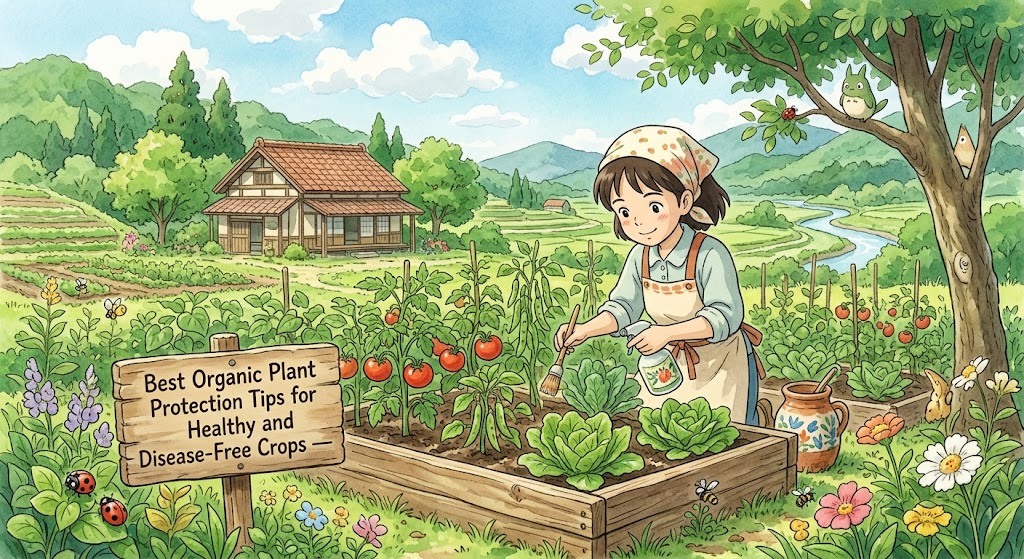
Growing Healthy Crops Starts With Natural Protection
Every farmer wants strong, productive, and disease-free crops. While chemical pesticides may provide quick results, relying on them too often can weaken soil health, increase production costs, and harm beneficial organisms that support crop growth. Organic plant protection offers a sustainable alternative by strengthening plants naturally and reducing the chances of pests and diseases before they become serious problems.
The goal is not simply to eliminate harmful insects or pathogens but to create a healthy farming environment where crops can grow with minimal stress. By combining good farming practices with natural protection methods, farmers can produce better-quality harvests while preserving the long-term fertility of their land.
Build Plant Strength From the Ground Up
Healthy plants are naturally better at resisting diseases.
The first step is improving soil quality through organic matter that feeds beneficial microorganisms and provides balanced nutrition.
Natural soil boosters include:
- Compost
- Vermicompost
- Well-aged animal manure
- Green manure crops
- Crop residues
When soil remains biologically active, plant roots absorb nutrients more efficiently, resulting in vigorous growth and stronger immunity.
Select Healthy Seeds and Disease-Resistant Varieties
The condition of your crop often depends on how it begins.
Always choose:
- Certified quality seeds
- Disease-resistant varieties
- Clean planting material
- Seeds suitable for local climate conditions
Healthy seeds reduce the chances of early infections and improve germination rates.
Before sowing, inspect seeds carefully and discard damaged or unhealthy ones.
Improve Airflow Around Crops
Poor air circulation creates humid conditions where fungal diseases spread rapidly.
Proper spacing between plants allows:
- Better sunlight penetration
- Faster drying of leaves
- Reduced moisture buildup
- Improved plant growth
Avoid overcrowding fields, even if it seems like a way to increase production. Healthy spacing often results in higher overall yields.
Feed Crops With Balanced Organic Nutrition
Plants that receive balanced nutrition develop stronger natural defenses.
Useful organic nutrient sources include:
| Organic Material | Main Benefit |
|---|---|
| Compost | Improves soil fertility |
| Vermicompost | Enhances root growth |
| Bone meal | Supports flowering |
| Wood ash | Provides potassium |
| Seaweed extract | Encourages healthy growth |
Balanced nutrition helps crops recover more quickly from environmental stress.
Prevent Diseases Through Crop Rotation
Continuous cultivation of the same crop encourages disease-causing organisms to build up in the soil.
A well-planned rotation offers several advantages:
- Reduces soil-borne diseases
- Improves nutrient balance
- Interrupts pest life cycles
- Enhances soil structure
Changing crop families every season keeps farmland healthier and more productive.
Keep Leaves Dry Whenever Possible
Many fungal diseases require moisture on leaf surfaces to spread.
Simple watering practices can reduce disease risk:
- Irrigate early in the morning.
- Direct water to plant roots.
- Avoid wetting leaves unnecessarily.
- Improve field drainage.
- Prevent standing water.
Dry foliage creates a less favorable environment for many plant diseases.
Introduce Beneficial Organisms
Nature provides many helpful organisms that protect crops.
Examples include:
- Ladybugs that feed on aphids
- Lacewings that control soft-bodied insects
- Earthworms that improve soil health
- Pollinators that support crop production
- Beneficial fungi that suppress harmful pathogens
Protecting these natural allies strengthens the farm ecosystem.
Prepare Natural Plant Protection Sprays
Several organic solutions can help reduce pest pressure without harming the environment.
Common options include:
- Neem extract
- Garlic spray
- Chili solution
- Compost tea
- Soap-based organic sprays
These treatments work best when applied during the early stages of pest development rather than after severe infestations.
Remove Diseased Plant Material Immediately
Leaving infected plants in the field allows diseases to spread quickly.
Regular field sanitation should include:
- Removing infected leaves
- Collecting fallen fruits
- Destroying heavily diseased plants
- Cleaning farming tools
- Eliminating weed hosts
Good sanitation significantly lowers future disease pressure.
Encourage Biodiversity Across the Farm
Diverse farms are naturally more resilient.
Increase biodiversity by:
- Planting flowering borders
- Growing different crop species
- Preserving native vegetation
- Including pollinator-friendly plants
- Maintaining natural habitats nearby
A balanced ecosystem helps regulate pests and improves pollination.
Observe Plants Before Problems Become Serious
Regular monitoring helps identify early warning signs.
Check crops for:
- Leaf spots
- Yellowing foliage
- Wilting stems
- Insect eggs
- Chewed leaves
- Mold growth
Early intervention prevents minor issues from becoming major crop losses.
Reduce Plant Stress Naturally
Plants under stress become more vulnerable to pests and diseases.
Reduce stress by:
- Providing adequate irrigation
- Maintaining proper nutrition
- Preventing waterlogging
- Avoiding root disturbance
- Protecting plants from extreme weather when possible
Healthy plants recover faster and remain productive throughout the season.
Organic Protection Routine Throughout the Season
Before Planting
✔ Improve soil with compost.
✔ Select healthy seeds.
✔ Plan crop rotation.
✔ Prepare irrigation.
During Growth
✔ Inspect crops regularly.
✔ Apply mulch.
✔ Remove weeds.
✔ Encourage beneficial insects.
✔ Use organic sprays if needed.
Before Harvest
✔ Remove infected plants.
✔ Continue disease monitoring.
✔ Harvest at the correct stage.
✔ Clean the field after harvest.
Following this routine helps maintain healthy crops from planting to harvest.
Mistakes That Increase Disease Problems
Many disease outbreaks begin because of simple management errors.
Avoid these common mistakes:
- Overwatering fields
- Planting infected seeds
- Ignoring crop spacing
- Applying excessive fertilizer
- Delaying removal of diseased plants
- Growing the same crop continuously
- Poor field sanitation
Correcting these practices greatly improves plant health.
Final Thoughts
Organic plant protection is built on prevention, observation, and balance. Healthy soil, quality seeds, proper crop spacing, balanced nutrition, regular monitoring, and natural pest management all work together to create stronger crops with better resistance to diseases.
Rather than depending entirely on chemical solutions, farmers can achieve long-term success by improving the overall health of their farming system. These organic practices not only protect crops but also preserve soil fertility, encourage biodiversity, reduce production costs, and contribute to a more sustainable future for agriculture.
Frequently Asked Questions
1. What is the main advantage of organic plant protection?
It protects crops while improving soil health, supporting beneficial organisms, and reducing dependence on synthetic chemicals.
2. Can organic methods control plant diseases effectively?
Yes. Preventive practices such as crop rotation, healthy soil management, sanitation, and natural sprays can greatly reduce disease outbreaks.
3. How often should crops be inspected?
Regular inspections two to three times each week help identify early signs of pests or diseases before serious damage occurs.
4. Why is biodiversity important in organic farming?
Greater biodiversity supports natural predators, improves pollination, and creates a healthier farming ecosystem that naturally suppresses pests.
5. Are organic plant protection methods suitable for commercial farms?
Absolutely. Many commercial farms successfully combine organic protection strategies with good farm management to produce healthy, high-quality crops sustainably.