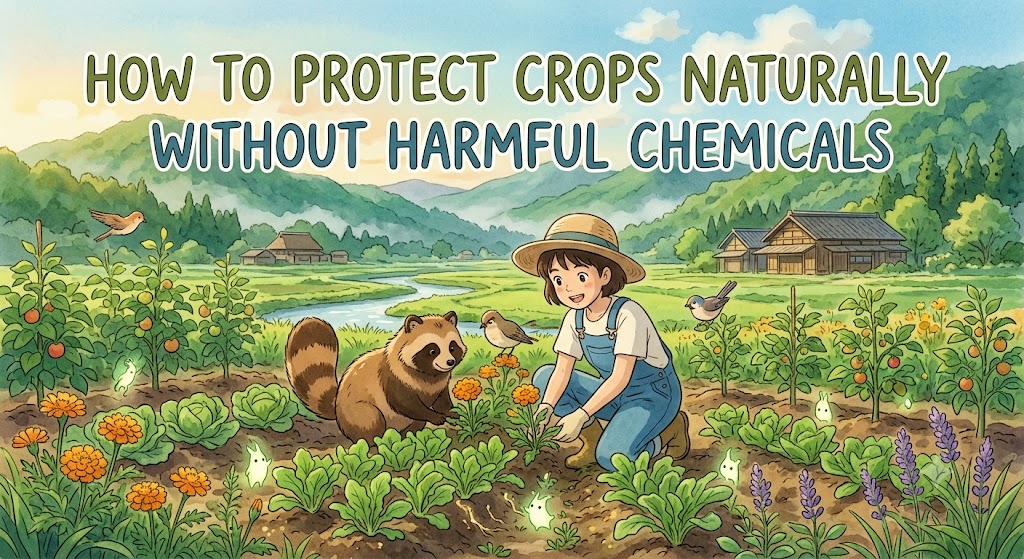
A Healthier Way to Protect Your Crops
Healthy crops don’t always require synthetic pesticides or harsh chemicals. In fact, many successful farmers are proving that strong plants, fertile soil, and a balanced farm ecosystem can naturally reduce pest and disease problems while producing high-quality harvests.
Natural crop protection is about prevention rather than cure. By creating the right growing conditions, farmers can reduce crop losses, lower production costs, and maintain long-term soil fertility. Whether you manage a small vegetable garden or a large agricultural field, these practical methods can help keep your crops safe in an environmentally friendly way.
Start With Strong and Healthy Soil
Healthy plants begin below the surface.
When soil contains enough organic matter and beneficial microorganisms, crops develop stronger roots and better natural resistance against insects and diseases.
Simple ways to improve soil health include:
- Applying compost before planting
- Using well-rotted farmyard manure
- Adding vermicompost
- Growing green manure crops
- Returning crop residues to the field
Healthy soil creates healthier plants that are naturally more capable of resisting damage.
Choose the Right Crop for Your Climate
One of the easiest ways to prevent crop problems is selecting crops that naturally grow well in your local conditions.
Consider factors such as:
- Average temperature
- Rainfall patterns
- Soil type
- Growing season
- Local pest pressure
Crops that match the environment usually require fewer protective treatments.
Practice Crop Rotation Every Season
Growing the same crop repeatedly encourages pests and diseases to multiply.
Crop rotation interrupts their life cycle and helps restore soil nutrients.
A simple rotation plan might look like this:
| Year | Crop Type |
|---|---|
| First | Cereals |
| Second | Legumes |
| Third | Vegetables |
| Fourth | Oilseed Crops |
Rotating crops keeps both pests and soil problems under control.
Cover the Soil With Natural Mulch
Mulching offers multiple layers of protection.
Natural mulch materials include:
- Dry leaves
- Straw
- Grass clippings
- Rice husks
- Sugarcane residue
Benefits of mulching:
- Conserves soil moisture
- Suppresses weeds
- Reduces soil erosion
- Maintains cooler soil temperatures
- Prevents soil from splashing onto leaves during rainfall
This simple practice creates a healthier growing environment throughout the season.
Invite Nature’s Pest Controllers
Many animals and insects naturally feed on crop pests.
Helpful farm allies include:
- Ladybugs
- Lacewings
- Spiders
- Praying mantises
- Birds
- Frogs
Avoid excessive pesticide use, as it can eliminate these beneficial species.
Planting flowering plants around field borders also attracts pollinators and natural predators.
Keep Your Farm Clean and Organized
Good field hygiene is one of the most effective forms of natural protection.
Regularly:
- Remove diseased plants
- Destroy infected crop residues
- Control weeds
- Clean irrigation channels
- Collect fallen fruits
A clean field gives pests and diseases fewer places to survive and spread.
Water Crops the Smart Way
Improper irrigation can encourage fungal diseases and weaken crops.
For healthier plants:
- Water early in the morning.
- Direct water toward the root zone.
- Avoid waterlogging.
- Improve field drainage.
- Adjust irrigation according to weather conditions.
Balanced moisture promotes stronger growth while reducing disease risks.
Grow Companion Plants
Certain plants naturally protect nearby crops.
Examples include:
| Main Crop | Helpful Companion |
|---|---|
| Tomato | Basil |
| Cabbage | Garlic |
| Cucumbers | Marigold |
| Peppers | Onion |
| Beans | Corn |
Companion planting helps repel harmful insects while attracting beneficial pollinators.
Monitor Your Fields Regularly
Daily observation allows farmers to spot problems before they become serious.
During field inspections, look for:
- Holes in leaves
- Yellowing foliage
- Wilting plants
- Egg clusters
- Unusual discoloration
- Insect activity
Early detection often prevents widespread crop damage.
Use Homemade Natural Solutions
Several natural products can help discourage pests without harming the environment.
Common options include:
- Neem-based sprays
- Garlic extract
- Chili pepper solution
- Mild soap sprays
- Compost tea
These treatments are generally most effective when used during the early stages of infestation.
Encourage Biodiversity on the Farm
A diverse farm ecosystem is naturally more stable.
Ways to increase biodiversity include:
- Planting flowering borders
- Maintaining hedgerows
- Preserving native trees
- Rotating crops
- Growing multiple crop species
Greater biodiversity reduces pest outbreaks and supports healthier crop production.
Protect Crops Through Proper Nutrition
Plants with balanced nutrition are naturally more resistant to insects and diseases.
Essential nutrients support:
- Strong stems
- Healthy leaves
- Better flowering
- Improved fruit quality
- Faster recovery from stress
Avoid over-fertilizing, as excessive nutrients can make some crops more attractive to pests.
Seasonal Crop Protection Checklist
Follow this routine throughout the growing season:
Before Planting
- Prepare fertile soil.
- Select disease-free seeds.
- Add organic matter.
- Plan crop rotation.
During Crop Growth
- Inspect fields regularly.
- Remove weeds.
- Apply mulch.
- Monitor moisture levels.
Before Harvest
- Remove damaged plants.
- Continue pest monitoring.
- Harvest at the proper stage.
- Clean the field after harvesting.
Following a seasonal routine reduces the chance of serious crop losses.
Common Mistakes That Increase Crop Damage
Many farmers unintentionally create conditions that encourage pests and diseases.
Avoid these mistakes:
- Planting infected seeds
- Overwatering crops
- Ignoring field sanitation
- Excessive fertilizer use
- Delaying pest identification
- Growing the same crop repeatedly
- Removing beneficial insects through unnecessary spraying
Correcting these habits can significantly improve crop health.
Why Prevention Is More Effective Than Treatment
Natural farming focuses on preventing problems before they appear.
When crops grow under healthy conditions with fertile soil, balanced nutrition, proper irrigation, and good biodiversity, pests find it much harder to establish large populations.
Instead of constantly fighting outbreaks, farmers spend less time controlling problems and more time producing healthy, high-quality crops.
This preventive approach also reduces production costs and supports sustainable agriculture.
Final Thoughts
Protecting crops naturally without harmful chemicals is a practical and sustainable strategy for modern farming. Healthy soil, crop rotation, companion planting, proper irrigation, biodiversity, and regular field monitoring work together to create an environment where crops can thrive with fewer pest and disease issues.
Although natural methods require patience and consistent management, they provide long-term benefits such as improved soil fertility, lower input costs, healthier produce, and a stronger farming ecosystem. By adopting these practices, farmers can protect both their harvests and the environment while building a more resilient agricultural future.
Frequently Asked Questions
1. Can crops be protected effectively without chemical pesticides?
Yes. Combining healthy soil management, crop rotation, companion planting, natural predators, and regular monitoring can significantly reduce pest and disease problems.
2. What is the first step in natural crop protection?
Building healthy soil is the foundation because strong plants are naturally more resistant to pests and diseases.
3. Does mulching help protect crops?
Yes. Mulch conserves moisture, suppresses weeds, prevents soil erosion, and creates better growing conditions for crops.
4. Why is crop rotation important?
Crop rotation interrupts pest and disease life cycles while improving soil fertility and reducing nutrient depletion.
5. Are natural pest control methods suitable for all farm sizes?
Absolutely. These techniques can be successfully applied on home gardens, small farms, and large commercial agricultural operations.