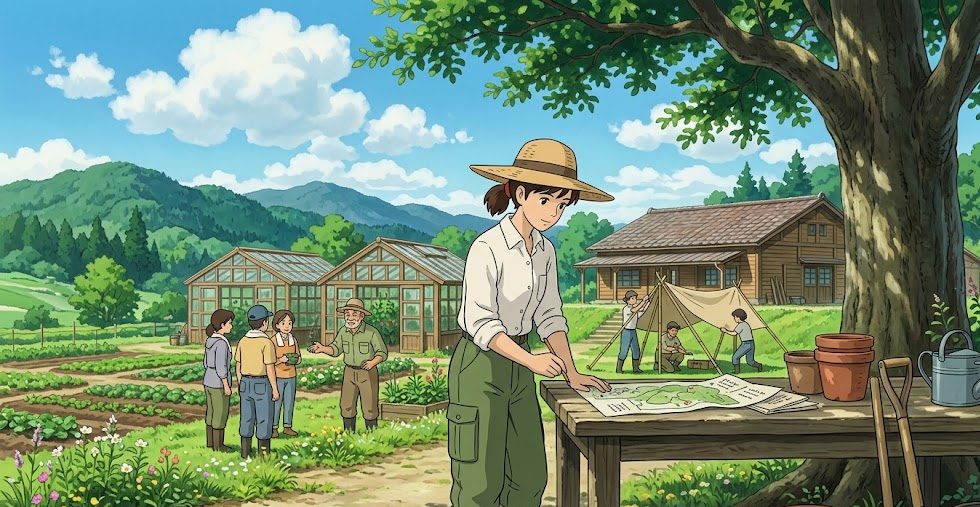
The demand for agricultural knowledge is exploding. Whether it is urban families wanting to learn the basics of backyard mushroom cultivation, tech-savvy millennials looking into automated hydroponics, or hobbyists trying their hand at organic beekeeping, people want practical, hands-on skills.
If you have expertise in farming, sustainable agriculture, or specialized livestock management, hosting an agricultural workshop is an incredible opportunity. Not only does it allow you to share your passion, but it also creates a profitable revenue stream and builds your reputation as a local expert.
However, moving from a great idea to a fully attended, smoothly run event can feel overwhelming if you are a beginner. How do you structure the day? How do you market it? What about logistics?
This complete, step-by-step guide will take you through the entire process of planning, promoting, and executing a highly successful agri-workshop from scratch.
Phase 1: Defining Your Workshop Concept
Before you book a venue or buy supplies, you need a crystal-clear blueprint of what your workshop will actually be.
1. Choose a Highly Specific, In-Demand Topic
Broad topics like “Introduction to Farming” rarely do well because they are too vague. People want to solve specific problems or learn distinct skills. Instead, narrow your focus down to a high-value niche.
Great examples for beginner-focused workshops include:
- Hydroponics for Beginners: Building a small-scale home setup.
- The Mushroom Method: How to cultivate oyster mushrooms in small spaces.
- Beekeeping 101: Hive setup, safety, and basic colony maintenance.
- Poultry Business Basics: Raising healthy backyard chickens for profit.
2. Identify Your Ideal Audience
Who are you teaching? Are you targeting complete novices who have never touched soil, or traditional hobbyists looking to expand into a specialized niche? Knowing your target audience dictates your teaching style, the complexity of your content, and even the price of your ticket.
3. Determine the Value Proposition
Ask yourself: What will a participant leave with? Will they take home a starter mushroom kit? Will they receive a digital blueprint for a hydroponic system? Defining this clearly makes your marketing much easier later on.
Phase 2: Logistics and Budgeting
With a clear concept in mind, it is time to map out the logistics. A successful workshop relies heavily on seamless organization behind the scenes.
1. Choosing the Right Venue
The location of your workshop can make or break the experience. Depending on your topic, you have a few options:
- On-Farm Workshops: If you own a farm or a small homestead, this is the best option. It provides an authentic, immersive environment.
- Community Spaces: Local community halls, nursery spaces, or rented co-working spaces work beautifully for urban agricultural topics like microgreens or indoor composting.
- Hybrid/Outdoor Spaces: Look for local botanical gardens or open-air community markets that allow educational events.
Ensure your venue has basic amenities: clean restrooms, accessible parking, a shaded or sheltered area in case of bad weather, and a clear space where everyone can see and hear you.
2. Crafting a Realistic Budget
Do not guess your ticket prices. Calculate your expenses first so you know exactly where your break-even point is.
| Expense Category | Description | Estimated Cost Impact |
| Venue Rental | Cost of leasing the space for the day | Fixed Cost |
| Participant Supplies | Soil, seeds, spawn bags, safety gear, printed handouts | Variable (Per Person) |
| Catering/Refreshments | Water, tea, coffee, snacks, or a light lunch | Variable (Per Person) |
| Marketing | Social media ads, local flyers, printing banners | Fixed Cost |
Once you know your total fixed and variable costs, add a healthy profit margin and divide it by a conservative estimate of attendees (e.g., 10 to 15 people) to find your ticket price.
Phase 3: Structuring the Curriculum for Beginners
Teaching beginners requires a unique approach. It is very easy to accidentally overwhelm people with complex agricultural jargon. Keep it simple, actionable, and highly engaging.
1. The Power of the 50/50 Rule
Never spend the entire workshop lecturing. Beginners learn by doing. Structure your day so that 50% of the time is spent explaining concepts, and 50% is spent on hands-on practice.
If you are teaching a mushroom cultivation workshop, spend 30 minutes explaining substrate sterilization, and then immediately spend the next 30 minutes letting participants mix their own substrate bags.
2. Create a Sample Timeline
A standard 4-hour weekend morning workshop is often the sweet spot for beginners. Here is a proven, highly effective structure:
- 09:00 AM – 09:30 AM: Welcome, coffee, icebreaker, and overview of the day.
- 09:30 AM – 10:30 AM: Module 1 (The Core Theory & Science behind the topic).
- 10:30 AM – 10:45 AM: Short stretch and networking break.
- 10:45 AM – 12:15 PM: Hands-on practical session (The core activity).
- 12:15 PM – 12:45 PM: Q&A session and troubleshooting common mistakes.
- 12:45 PM – 01:00 PM: Wrap-up, feedback forms, and distribution of takeaway materials.
Phase 4: Marketing Your Agri-Workshop
You could have the best curriculum in the world, but your workshop will not succeed if nobody knows it is happening. You need a simple, proactive marketing strategy to fill those seats.
1. Leverage High-Quality Visuals
Agriculture is deeply visual and tactile. When creating your promotional materials, steer away from generic stock photos. Instead, use bright, warm, human-centric imagery that evokes a sense of nature and accomplishment. Beautiful, hand-painted or clean organic-style aesthetics work exceptionally well for eco-friendly and agricultural branding.
Create promotional graphics using tools like Canva, making sure the text is minimal, clean, and highlights the date, location, and key takeaways.
2. Tap into Local Communities
- Social Media Groups: Join local Facebook groups or neighborhood community forums. Share your knowledge first, and then invite people to your upcoming workshop.
- Local Partnerships: Drop off flyers at local garden centers, plant nurseries, organic grocery stores, or eco-friendly cafes. These businesses are frequented by your exact target audience.
- Early Bird Incentives: Offer a 15% to 20% discount for the first five people who register. This creates a sense of urgency and secures your initial baseline of attendees.
Phase 5: Hosting Day – Execution & Hospitality
When the big day arrives, your main goal is to make your guests feel welcomed, comfortable, and safe.
1. Prioritize Safety and Comfort
Farming environments involve elements, tools, and sometimes allergens.
- Provide clear safety briefings before touching any equipment or biological material.
- Have a basic first-aid kit on hand.
- Ensure plenty of drinking water is accessible, especially for outdoor sessions.
2. Focus on Connection, Not Perfection
People attend live workshops for the human connection as much as the information. Don’t worry if a presentation slide glitches or if a demonstration doesn’t go 100% perfectly. Be authentic, share your personal farming failures and how you overcame them, and encourage participants to talk to one another.
Phase 6: Post-Workshop Follow-Up
The workshop doesn’t end when the attendees walk out the door. The post-event phase is where you turn one-time attendees into lifelong community members and advocates for your brand.
- Send a Thank-You Email: Within 24 hours, send a follow-up email thanking everyone for coming. Attach digital copies of the resources, guides, or system blueprints promised during the workshop.
- Gather Feedback: Include a simple, 3-question Google Form to ask what they loved most and what could be improved.
- Ask for Reviews: Positive testimonials are gold for your next workshop. Ask happy participants to leave a review on your social media pages or Google Business profile.
Frequently Asked Questions (FAQs)
Q1: What is the ideal group size for a beginner agri-workshop?
For a highly practical, hands-on beginner workshop, 10 to 15 participants is the ideal sweet spot. This size allows you to give personal attention to every individual during the practical sessions while maintaining an energetic group dynamic.
Q2: Do I need official certifications to teach a farming workshop?
Generally, no. You do not need formal academic degrees to host a private community educational workshop. What matters most to your attendees is your practical experience, hands-on results, and ability to break down complex ideas into simple steps.
Q3: What should I include in a participant takeaway kit?
Your takeaway kit should directly reflect the topic. For example:
- Mushroom Workshop: A pre-inoculated fruiting bag or a jar of clean grain spawn.
- Hydroponics Workshop: A small liquid nutrient bottle, a few net cups, and rockwool plugs.
- General Farming: A high-quality, step-by-step printed troubleshooting guide and premium seeds.
Q4: How far in advance should I start marketing the event?
Start promoting your workshop 4 to 6 weeks before the event date. This gives people ample time to plan their weekend schedules and allows you enough buffer time to adjust your marketing strategy if ticket sales are slow initially.
Conclusion
Planning your very first agricultural workshop is a deeply rewarding journey. By narrowing down your niche, structuring a highly interactive curriculum, and keeping the focus on beginner-friendly, hands-on learning, you create an unforgettable experience for your community.
Remember, you do not need a massive commercial farm setup to teach someone how to grow their own food or start a sustainable side hustle. All you need is your genuine expertise, solid organization, and a passion for helping others succeed. Pick your topic, set your date, and start cultivating your first group of students