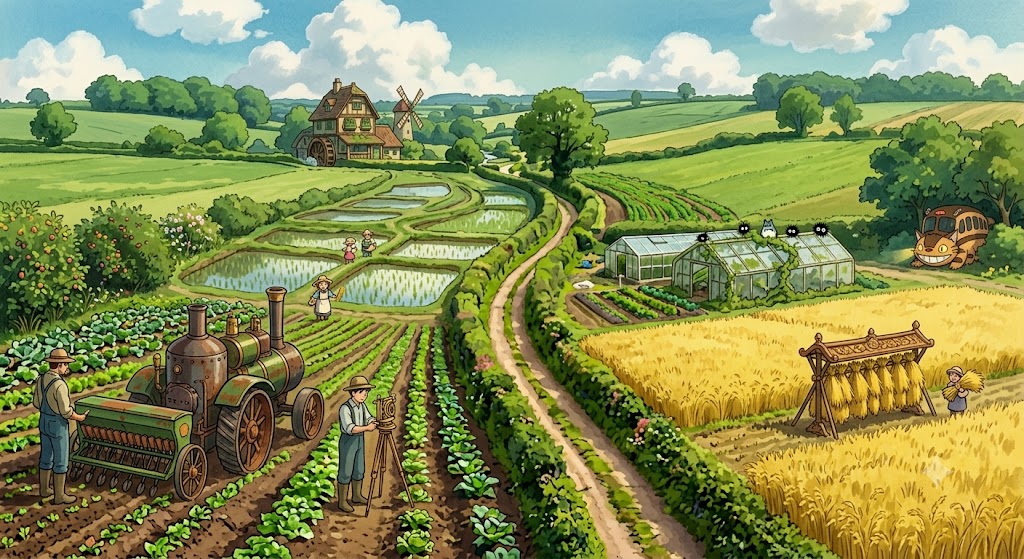
Successful farming requires more than planting crops and waiting for harvest. Modern agriculture demands careful planning, efficient resource management, and continuous monitoring to maintain productivity across changing seasons. Farmers who implement effective management strategies are often able to achieve higher yields, reduce production risks, and improve long-term profitability.
Year-round productivity depends on making informed decisions before, during, and after each growing season. From soil preparation and crop selection to irrigation management and post-harvest planning, every aspect of farm operations contributes to overall performance. By adopting proven farm management techniques, growers can maximize the productivity of their land while maintaining crop quality and resource sustainability.
This guide explores practical farm management approaches that help increase agricultural yields throughout the year.
Understanding the Importance of Farm Management
Farm management involves the planning, organization, and control of farming activities to achieve production and financial goals.
Effective management helps farmers:
- Improve productivity
- Optimize resource use
- Reduce operational risks
- Increase profitability
- Maintain sustainability
Rather than reacting to problems after they occur, successful farmers focus on proactive planning and continuous improvement.
Strong management practices create more stable and productive farming systems.
Develop a Comprehensive Farm Plan
A structured farm plan serves as the foundation for year-round success.
A well-designed plan may include:
- Crop schedules
- Planting dates
- Resource requirements
- Irrigation strategies
- Marketing objectives
- Risk management measures
Planning helps farmers anticipate challenges and allocate resources more efficiently.
Organized operations often achieve better productivity and financial outcomes.
Focus on Soil Health Management
Healthy soil is essential for consistent crop production.
Productive soils provide:
- Nutrient availability
- Water retention
- Root support
- Biological activity
Practices that improve soil health include:
- Compost application
- Crop rotation
- Cover cropping
- Reduced tillage
- Organic matter incorporation
Healthy soils support stronger plant growth and improve yields throughout multiple growing seasons.
Conduct Regular Soil Testing
Understanding soil conditions helps farmers make informed decisions.
Soil testing provides information about:
- Nutrient levels
- Soil pH
- Organic matter content
- Fertility requirements
Benefits include:
- More accurate fertilizer applications
- Reduced nutrient waste
- Improved crop performance
Regular testing allows farmers to address deficiencies before they affect yields.
Implement Strategic Crop Rotation
Growing the same crop repeatedly can lead to declining productivity.
Crop rotation offers benefits such as:
- Improved soil fertility
- Reduced pest populations
- Lower disease pressure
- Better nutrient utilization
Common rotations may include:
- Cereals and legumes
- Vegetables and cover crops
- Root crops and leafy crops
Diversified cropping systems help maintain long-term productivity.
Select High-Performing Crop Varieties
Choosing suitable crop varieties significantly influences yield potential.
Farmers should consider:
- Climate adaptation
- Disease resistance
- Yield performance
- Market demand
- Maturity period
Improved varieties often provide greater resilience and productivity under varying environmental conditions.
Proper variety selection contributes directly to annual yield improvements.
Optimize Planting Schedules
Planting at the correct time helps crops take advantage of favorable growing conditions.
Factors to consider include:
- Temperature patterns
- Rainfall forecasts
- Growing season length
- Crop maturity requirements
Timely planting often results in:
- Better germination
- Stronger establishment
- Improved yields
Careful scheduling supports efficient use of available growing periods.
Improve Irrigation Management
Water availability is one of the most important factors affecting crop productivity.
Effective irrigation strategies include:
Drip Irrigation
Delivers water directly to plant roots while minimizing losses.
Soil Moisture Monitoring
Provides information about actual crop water needs.
Irrigation Scheduling
Ensures water is applied efficiently and at appropriate times.
Proper irrigation supports consistent growth throughout the year.
Utilize Precision Agriculture Technologies
Modern technologies allow farmers to manage resources more effectively.
Examples include:
- GPS-guided equipment
- Drones
- Soil sensors
- Satellite monitoring
- Yield mapping systems
Benefits include:
- Improved efficiency
- Better resource allocation
- Enhanced decision-making
Precision agriculture helps maximize productivity while reducing unnecessary costs.
Apply Nutrients Efficiently
Balanced nutrition is essential for maximizing crop performance.
Effective nutrient management includes:
- Soil testing
- Variable-rate applications
- Split fertilizer applications
- Organic amendments
Proper nutrient timing ensures crops receive support during critical growth stages.
Efficient fertilizer use improves yields and reduces waste.
Implement Integrated Pest Management
Pests and diseases can significantly reduce crop productivity.
Integrated Pest Management (IPM) focuses on:
- Monitoring
- Prevention
- Biological controls
- Targeted interventions
Benefits include:
- Reduced crop losses
- Lower pesticide costs
- Improved sustainability
Healthy crops are more likely to achieve their full yield potential.
Manage Weeds Proactively
Weeds compete with crops for:
- Water
- Nutrients
- Sunlight
- Growing space
Effective weed management strategies include:
- Cover cropping
- Mulching
- Mechanical cultivation
- Timely control measures
Reducing weed pressure supports stronger crop growth and higher yields.
Adopt Cover Cropping Systems
Cover crops provide valuable benefits between production cycles.
Advantages include:
- Soil protection
- Nutrient retention
- Improved organic matter
- Weed suppression
Popular cover crops include:
- Clover
- Rye
- Oats
- Vetch
Cover cropping supports long-term soil productivity and sustainability.
Diversify Farm Enterprises
Diversification can improve resource use and reduce production risks.
Examples include:
- Multiple crop types
- Livestock integration
- Aquaculture
- Agroforestry
Diversified systems often create additional income opportunities while improving farm resilience.
Balanced operations are better equipped to handle changing market and environmental conditions.
Utilize Protected Cultivation
Protected growing systems extend production periods and improve yield stability.
Examples include:
- Greenhouses
- High tunnels
- Shade structures
Benefits include:
- Extended growing seasons
- Weather protection
- Improved crop quality
- Increased productivity
Protected cultivation allows farmers to maintain production during less favorable conditions.
Monitor Crop Performance Continuously
Regular field monitoring helps identify problems before they become severe.
Areas to observe include:
- Plant health
- Growth rates
- Pest activity
- Nutrient deficiencies
- Irrigation performance
Early intervention often prevents significant yield reductions.
Continuous monitoring supports more effective farm management.
Maintain Farm Equipment Properly
Reliable equipment contributes to efficient farm operations.
Preventive maintenance helps:
- Reduce downtime
- Improve operational efficiency
- Lower repair costs
- Ensure timely field activities
Well-maintained machinery supports consistent production throughout the year.
Keep Accurate Farm Records
Detailed records help farmers evaluate performance and improve future decisions.
Useful records include:
- Planting dates
- Input applications
- Yield data
- Weather observations
- Financial information
Data-driven management supports continuous productivity improvements.
Develop Risk Management Strategies
Agriculture involves numerous uncertainties.
Risk management may include:
- Crop diversification
- Insurance coverage
- Water conservation planning
- Emergency preparedness
Proactive risk management helps maintain stable production and profitability.
Building a Year-Round Yield Improvement Plan
A successful strategy often includes:
- Soil health management
- Strategic crop planning
- Efficient irrigation
- Precision nutrient management
- Pest and disease control
- Continuous monitoring
- Data-driven decision-making
Combining multiple approaches produces stronger and more consistent results.
Conclusion
Farm management plays a critical role in achieving higher agricultural yields throughout the year. Through careful planning, soil health improvement, efficient resource utilization, precision agriculture, and continuous monitoring, farmers can create productive systems that perform consistently across changing seasons.
As agriculture continues to face environmental and economic challenges, strong management practices will become even more important for maintaining profitability and sustainability. Farmers who invest in effective farm management today are building resilient operations capable of producing reliable harvests and long-term success for years to come.