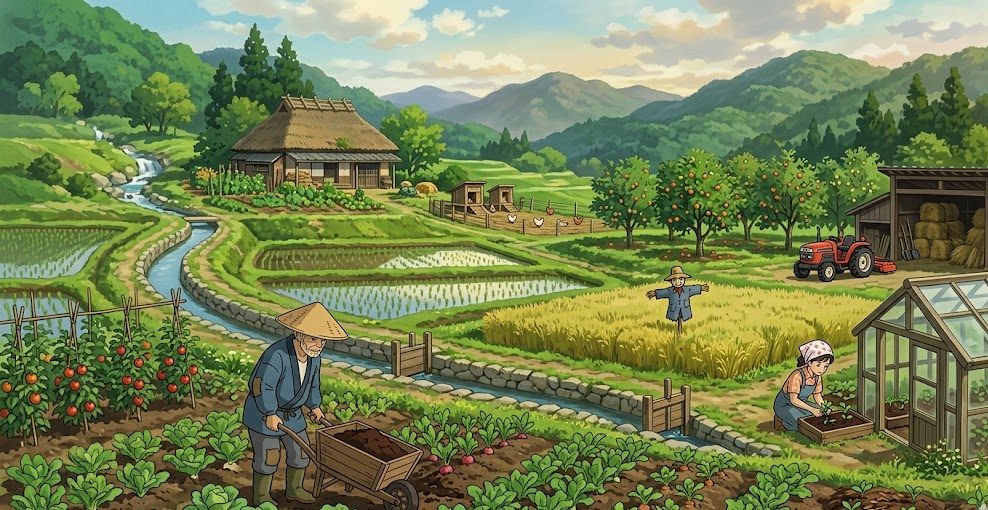
The landscape of modern agriculture is shifting rapidly. Gone are the days when farming was solely about labor-intensive traditions; today, it is a sophisticated blend of art, science, and smart management. For many small-to-mid-sized farmers, the goal remains constant: how can we squeeze more productivity out of every acre while keeping costs down and profitability up? The answer lies in moving away from reactive farming and embracing proactive, data-driven techniques. Whether you are managing a small vegetable plot or overseeing a larger crop rotation, shifting your focus toward soil health, resource efficiency, and strategic planning can transform your margins. In this guide, we break down the most effective, field-tested strategies that help farmers stabilize their yields and turn their agricultural ventures into truly sustainable, high-performing businesses.
1. Prioritizing Soil Health as the Foundation
You cannot expect a high-performance crop from depleted soil. Soil is the most valuable asset on any farm, yet it is often the most neglected. Investing in your soil biology is the single most effective way to guarantee higher yields over the long term.
The Power of Soil Testing
Before you spread a single bag of fertilizer, you must understand your baseline. Annual soil testing is not just a recommendation; it is an economic necessity. By identifying specific nutrient deficiencies or pH imbalances, you avoid the “blanket application” approach. Applying only what the soil actually needs saves significantly on input costs and prevents the runoff that harms environmental health.
Integrating Cover Crops
Leaving land fallow between seasons is a lost opportunity. Cover crops—such as clover, rye, or vetch—act as a protective blanket for your topsoil. They prevent erosion, suppress stubborn weeds naturally, and, perhaps most importantly, fix nitrogen back into the soil. When these crops are tilled back into the earth, they increase organic matter, which enhances water retention—a critical factor during dry spells.
2. Precision Irrigation: Making Every Drop Count
Water management is often the difference between a bumper crop and a total loss. In many regions, water scarcity is becoming a primary challenge, making efficient irrigation a core requirement for profitability.
Transitioning to Drip Systems
Traditional flood irrigation is notoriously inefficient, with a high percentage of water lost to evaporation or runoff. Drip irrigation delivers water directly to the root zone. This targeted approach not only reduces water consumption by up to 40% but also helps in suppressing weed growth, as the areas between crop rows remain dry and inhospitable to weed seeds.
Monitoring Soil Moisture
Modern technology has made moisture monitoring accessible even to smaller operations. Simple tensiometers or digital moisture sensors can tell you exactly when the soil is approaching the “wilting point.” By irrigating only when necessary, you prevent waterlogging, which often leads to root rot and other fungal diseases, ultimately ensuring a healthier and more resilient plant structure.
3. High-Efficiency Crop Management
Once the foundation is set, the day-to-day management of your crops dictates your final harvest volume. Focusing on high-density planting and pest management cycles can significantly alter your revenue stream.
Understanding Successive Planting
Succession planting is a strategy used by professional growers to ensure a steady supply of produce throughout the season. Instead of planting your entire plot at once, break it into smaller blocks planted two to three weeks apart. This strategy smooths out your workload and ensures you have a consistent flow of inventory for market, which is essential for maintaining steady cash flow and customer relationships.
Integrated Pest Management (IPM)
Relying solely on expensive, broad-spectrum pesticides is a risky strategy. It can destroy beneficial insects—like pollinators and predatory wasps—that actually work to protect your crops for free. IPM focuses on prevention:
- Crop Rotation: Disrupt the life cycle of pests by moving crops to different areas each season.
- Companion Planting: Pair crops like marigolds with tomatoes to naturally repel nematodes and harmful beetles.
- Early Scouting: Regular field walks allow you to catch pest outbreaks while they are still manageable, often allowing for manual removal or organic treatments rather than full-scale chemical intervention.
4. Diversification and Value-Addition
To insulate yourself against market volatility, you must move beyond the “one-crop” mindset. Diversification is your best insurance policy against a bad season for a single commodity.
The 80/20 Rule in Crops
Many successful farms utilize the 80/20 rule: 80% of the land is dedicated to staple, high-demand crops, while 20% is used for specialty or high-value crops like microgreens, organic herbs, or heirloom varieties. These specialty items often carry much higher margins and can serve as a “hook” to get customers interested in your broader offerings.
Processing and Direct-to-Consumer Sales
Profit margins are always thinnest at the farm gate. If possible, consider adding value to your harvest. This could be as simple as washing and packaging your produce for direct sale, or creating value-added products like dried herbs, oils, or preserves. By bypassing intermediaries, you capture more of the retail price, turning a modest harvest into a significantly more profitable venture.
5. Record-Keeping for Future Planning
A farm is a business, and businesses require accurate records. You cannot optimize what you do not measure.
The Farmer’s Ledger
Keep a detailed log of every input: the variety of seed, the date of planting, the amount of fertilizer or compost used, and the final yield. By reviewing these logs at the end of each season, you can objectively identify which varieties performed best in your specific climate and which techniques provided the highest return on investment. This data-driven approach removes the guesswork from farming and helps you make smarter decisions year after year.
Conclusion
Maximizing yield and profit in farming isn’t about working harder; it’s about working smarter. By prioritizing soil health, implementing precision irrigation, practicing sustainable pest management, and diversifying your crops, you build a farm that is not only productive but also resilient. While these techniques require an upfront investment of time and planning, the long-term payoff is a more stable income and a healthier, more sustainable piece of land. Start by implementing one or two of these changes this season, track your results, and watch how even small improvements can lead to significant gains in your overall harvest. Agriculture is a long game, and every step taken toward efficiency today is a building block for your future success.