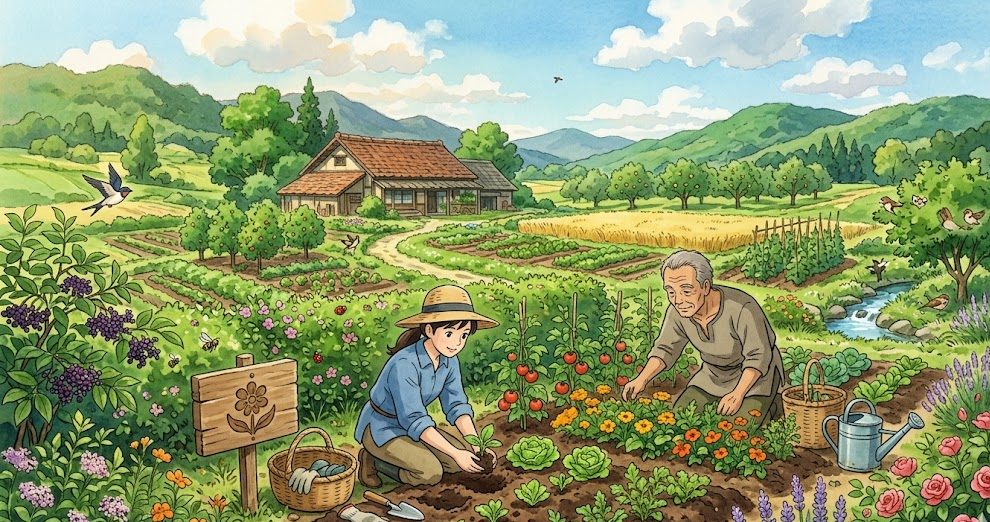
The global agricultural landscape is experiencing a massive shift. For decades, synthetic chemicals and intensive monoculture were viewed as the golden standards for high-yield farming. However, modern growers, educators, and agricultural consultants are realizing that working against nature is a losing battle. High input costs, chemical-resistant pests, and deteriorating soil health have forced a return to regenerative practices.
Enter Natural Protection—an eco-friendly approach that uses the farm’s native biodiversity, companion planting, and biological biostimulants to shield crops from pests and diseases.
But knowing about natural protection is only half the battle. The real challenge lies in execution. How do you teach this to farm hands? How do agricultural extension officers build a structured curriculum for local communities? How do you map out your seasonal farm operations to ensure these eco-friendly defenses are applied at the exact right moment?
The answer lies in creating a highly effective Farming Session Plan. This comprehensive guide will walk you through the practical, step-by-step process of integrating natural crop protection directly into your agricultural training or operational layout.
Understanding the Core Principles of Natural Protection
Before writing down a timeline or lesson plan, you must understand the foundational pillars of natural farming. Natural protection is not about finding an organic equivalent to drop-kill chemical sprays. Instead, it focuses on building a resilient ecosystem where pests are kept below the economic injury level naturally.
- The Soil-Immunity Connection: Just like humans, plants have an immune system. A soil rich in organic matter and thriving with a healthy microbiome provides nutrients that naturally boost a plant’s defenses against pathogens.
- Functional Biodiversity: Monoculture fields act as an all-you-can-eat buffet for specific pests. By introducing multi-cropping, boundary crops, and beneficial weeds, you break up the pest’s visual and aromatic tracking. Invade Agro Global
- Conservation of Natural Enemies: For every pest, nature provides a predator. Your field layout should actively welcome ladybugs, lacewings, hoverflies, and parasitic wasps.
Phase 1: Pre-Session Assessment and Field Mapping
Every successful farming session begins long before anyone steps into the field. You must assess the local environment to ensure your natural protection plan aligns with regional realities.
1. Identify the Primary Regional Pests
Do not guess. Walk local fields or consult regional agricultural extension reports. Note down the dominant insects, fungal strains, and weeds disrupting local yields. Understanding their lifecycle is vital for timely intervention.
2. Map Out Available On-Farm Resources
Natural protection relies heavily on local, cost-effective resources. Check for the availability of:
- Livestock dung and urine (essential for microbial biostimulants).
- Local botanical plants with insect-repellent properties (e.g., Neem, Garlic, Chili, Lantana). Invade Agro Global
- Organic biomass for mulching (crop residues, dry leaves, straw).
3. Establish the Ecological Baseline
Evaluate the current soil status and existing beneficial insect populations. If the land has been heavily sprayed with chemical pesticides in the past, acknowledge that restoring natural balance will take time. Your session plan should reflect this transition phase.
Phase 2: Structuring the Farming Session Plan
A good session plan transitions smoothly from theory to hands-on practice. Below is a structured blueprint designed to train farmers, students, or field workers efficiently over a designated period.
Block 1: Technical Foundations (Classroom/Interactive Demonstration)
- Objective: Shift the mindset from “eradicating bugs” to “managing ecosystems.”
- Key Concept: Introduce the concept of Integrated Pest Management (IPM) and its natural farming alternatives. Teach participants how to differentiate between harmful pests and beneficial predators.
Block 2: Hands-On Field Preparation (Cultural Controls)
- Objective: Establish physical and biological barriers to disrupt pest lifecycles. Invade Agro Global
- Key Concept: Focus on soil preparation, mechanical tillage modifications, and structural crop positioning.
Block 3: Formulating Botanical & Microbial Bio-Inputs
- Objective: Teach participants how to manufacture their own natural protectants on-farm using zero-cost or low-cost materials.
- Key Concept: Step-by-step brewing of microbial cultures and botanical repellents.
Phase 3: Step-by-Step Integration of Natural Protection
To make your farming session actionable, structure your field execution chronologically. Follow this sequential blueprint to integrate natural protection strategies throughout the cropping cycle.
1
Seed Treatment (Inoculation)
Pre-Sowing Phase
1.Seed Treatment (Inoculation):Pre-Sowing Phase.
Before any seed hits the soil, it must be protected against seed-borne pathogens. Introduce participants to natural inoculants like Beejamrit (a traditional blend of cow dung, urine, lime, and virgin soil). Coating seeds in this mixture populates the seed coat with beneficial microbes, ensuring healthy germination and root development.
2
Soil Activation and Microbiome Restoration
Sowing Phase
2.Soil Activation and Microbiome Restoration:Sowing Phase.
Apply fermented microbial biostimulants like Jeevamrit or rich compost directly to the soil. This does not feed the plant directly; instead, it multiplies the native soil microflora. These microbes unlock fixed phosphorus and trace minerals in the soil, strengthening the plant’s cell walls from day one.
3
Deploying Trap Crops and Border Defenses
Vegetative Growth Phase
3.Deploying Trap Crops and Border Defenses:Vegetative Growth Phase.
Integrate visual and aromatic distractions. Teach farmers to plant tall, dense border crops (like sorghum or pearl millet) to block airborne pests. Simultaneously, interplant specific trap crops. For example, planting marigolds alongside tomatoes draws nematodes and aphids away from your cash crop.
4
Applying Soil Cover (Mulching)
Mid-Growth Maintenance Phase
4.Applying Soil Cover (Mulching):Mid-Growth Maintenance Phase.
Cover bare soil with crop residues or green manure. Mulching preserves soil moisture and prevents fungal spores living in the dirt from splashing up onto plant leaves during rain or irrigation events. It also suppresses weed growth by cutting off sunlight.
5
Targeted Botanical Sprays
Emergency Pest Outbreak Phase
5.Targeted Botanical Sprays:Emergency Pest Outbreak Phase.
When pest populations approach critical thresholds, use fermented botanical extracts. Train participants to brew extracts from non-palatable plants (like Neem or local bitter herbs) mixed with hot peppers and garlic. These do not poison the ecosystem; they act as powerful anti-feedants and repellents.
Common Mistakes to Avoid in Your Session Plan
When transitioning to natural crop protection, minor operational errors can derail an entire season’s progress. Ensure your training addresses these common pitfalls:
Mistake 1: Spraying Natural Extracts Preventatively Like Chemicals Botanical extracts like neem-garlic sprays should not be applied blindly on a fixed weekly schedule. Overuse can repel beneficial pollinators and predatory wasps. Apply them only when pest scouting indicates a true rise in numbers.
Mistake 2: Neglecting the Moisture-Air Balance Over-irrigation creates a high-humidity microclimate under the crop canopy. This is a breeding ground for fungal diseases like powdery mildew. Always emphasize precision watering schedules within your planning sessions.
Mistake 3: Expecting Instant Knocdown Effects Chemical pesticides kill on contact within minutes. Natural protection works through deterrence, life-cycle disruption, or systemic immunity. Farmers must be mentally prepared for a gradual reduction in pests rather than an immediate visual wipeout.
FAQs: Frequently Asked Questions
1. Is natural protection as effective as chemical pesticides?
Yes, over the long term. While chemical sprays offer immediate knockdown effects, they cause pest resurgences by killing natural predators. Natural protection creates a balanced ecosystem that keeps pest numbers low permanently, while vastly reducing your seasonal input costs.
2. What are the best plants to use for natural insect repellents?
Plants that are locally abundant, bitter, and completely avoided by goats or cattle are your best choices. Neem (Azadirachta indica), wild marigold, garlic, ginger, hot chili peppers, and tobacco leaves are globally recognized for their potent insect-repelling compounds.
3. How does mulching protect crops from diseases?
Many pathogenic fungi live and overwinter in the soil surface. When raindrops or overhead irrigation hit bare soil, the impact splashes these fungal spores onto the lower leaves of your crops. A thick layer of organic mulch acts as a physical cushion, stopping this splash-back effect completely.
4. Can I use natural protection techniques in large-scale farming?
Absolutely. Large-scale operations rely heavily on mechanical and cultural natural protection, such as strategic crop rotation, diverse cover cropping, and maintaining ecological border strips around fields to house predatory insects.
5. How long does it take for a field to achieve natural pest balance?
If the field has a long history of chemical abuse, it typically takes 1 to 3 seasons to completely restore the native populations of earthworms, beneficial microbes, and predatory insects. Your training curriculum should prepare farmers for this transition period.
Conclusion
Integrating natural protection into your practical farming session plan is more than an eco-friendly choice—it is a smart, economic strategy for long-term survival. By shifting away from costly, chemical-heavy dependencies and embracing ecological design, you protect both your yields and your local environment.
True agricultural sustainability is not achieved through a single miracle product. It is built step by step, through careful field mapping, healthy soil development, biodiversity integration, and continuous observation. Use the structured blueprint outlined above to design your next training cycle, and empower a new generation of growers to farm in perfect harmony with nature.