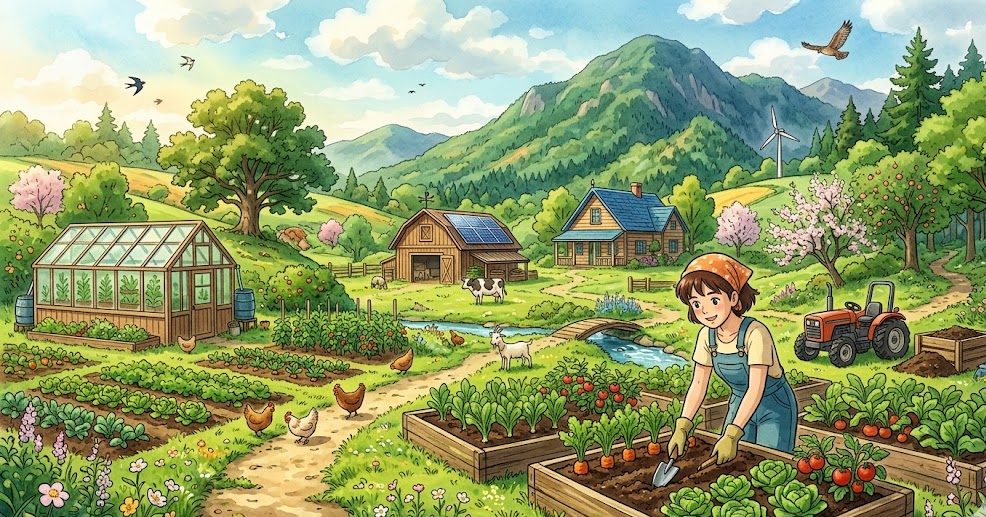
Agriculture is the backbone of human civilization, but in the 21st century, the definition of “farming” has undergone a massive transformation. We are moving away from the era of brute-force labor and chemical-heavy monoculture toward a future defined by precision, sustainability, and data-driven intelligence. Whether you are an urban entrepreneur looking to set up a vertical farm or a landholder aiming to transition to sustainable practices, this guide will walk you through the practical aspects of modern, organic farming.
1. The Philosophy of Organic Farming: More Than Just “Chemical-Free”
Many beginners mistake organic farming simply for the absence of pesticides. In reality, organic farming is a holistic approach to biology. It is about fostering an ecosystem where the soil, the beneficial insects, and the plants work in harmony.
Building Soil Vitality
The secret to any high-yielding farm is the soil microbiome. Healthy soil acts as a bank account; you must deposit organic matter to withdraw a bountiful harvest.
- Composting: Convert farm waste and kitchen scraps into “black gold.” Vermicomposting (using earthworms) is the most efficient way to turn waste into nutrient-dense fertilizer.
- Mulching: Never leave your soil naked. Covering the soil surface with straw, leaves, or wood chips prevents erosion, retains moisture, and suppresses weed growth—saving you hours of labor.
Natural Pest Management
Nature has built-in mechanisms to handle pests. If you spray chemicals, you kill the beneficial predators (like ladybugs and spiders) that actually protect your crop.
- Companion Planting: This is a brilliant, low-cost strategy. For instance, planting basil near tomatoes can deter aphids and improve the flavor of the fruit. Marigolds are excellent for repelling nematodes in the soil.
- Biological Controls: Introduce beneficial insects to manage pest populations naturally, reducing the need for expensive and harmful synthetic pesticides.
2. Practical Innovations: Efficiency at Scale
Modern farming must be profitable to be sustainable. If you are managing multiple projects or a commercial setup, efficiency is your primary metric.
The Rise of Hydroponics
Hydroponics allows you to grow plants in a nutrient-rich water solution instead of soil. Why does this matter for the modern farmer?
- Water Efficiency: It uses up to 90% less water than traditional farming.
- Space Utilization: You can grow food in urban apartments, basements, or shipping containers.
- Speed: Plants in hydroponic systems often grow 20-30% faster because they don’t have to “search” for nutrients—the nutrients are delivered directly to the roots.
Vertical Farming and Controlled Environments
Vertical farming takes agriculture to the third dimension. By stacking crops in a controlled environment, you can produce year-round, regardless of external weather conditions. This consistency is highly attractive for local markets and restaurants that want a stable, predictable supply of fresh produce.
3. Data-Driven Farming: The Tech Stack
If you are running a tech-forward agricultural business, intuition is not enough. You need data.
Smart Monitoring (IoT)
You don’t need to be on the field 24/7. Simple IoT-enabled sensors can monitor:
- Soil Moisture: Automated systems trigger irrigation only when the soil reaches a certain dryness, preventing water wastage.
- pH and Nutrient Levels: Consistent monitoring ensures your hydroponic solution remains perfect, preventing plant stress.
The Financial Analytics of Farming
To maintain a high profit margin, treat your farm like a software startup. Track:
- Input Costs: Seeds, electricity (for LED lights), water, and labor.
- Yield Volume: How much produce do you get per square meter?
- Market Trends: Use search data to see what the market wants. Currently, there is a massive surge in demand for organic microgreens, exotic herbs, and nutrient-dense mushrooms.
4. Scaling Your Farm for Maximum Profit
Moving from a hobby to a commercial enterprise requires a shift in mindset. Here is how you can ensure your agricultural project remains a “cash cow” while keeping the quality high.
Selecting the Right Niche
Do not compete with large-scale, traditional farms on staples like onions or potatoes. Their economies of scale will always beat you. Instead, look for High-Value/Low-Volume crops:
- Exotic Mushrooms: Varieties like Lion’s Mane or Oyster mushrooms have high market prices and low footprint requirements.
- Culinary Herbs: Rare varieties of basil, cilantro, and micro-herbs are highly sought after by gourmet chefs.
- Organic Seedlings: Selling healthy, organic starts (saplings) to home gardeners is a highly profitable, low-risk business.
Direct-to-Consumer (D2C) Models
Cut out the middlemen (wholesalers). By using social media and simple e-commerce sites, you can sell directly to local households. A subscription-based “Veggie Box” model ensures a recurring monthly income—the holy grail of any business.
5. Overcoming Common Challenges
No farming journey is without hurdles. Here is how to handle the inevitable risks:
- Weather Volatility: Modern farming counters this with greenhouses and shade netting. Never rely solely on outdoor crops if you are aiming for consistent revenue.
- Disease Outbreaks: If you see one infected plant, isolate it immediately. A “clean room” approach to plant management is essential in hydroponics and vertical setups.
- Market Fluctuations: Diversification is your hedge. If the demand for microgreens drops, ensure you have a secondary crop (like mushrooms) to balance your income.
Conclusion: Planting the Seeds of Success
Modern farming is the intersection of biology and efficiency. By embracing organic principles, you ensure the long-term health of your resources, and by integrating modern technology, you ensure the profitability of your labor.
Whether you are just starting your first hydroponic setup or scaling a network of vertical farms, the key is to stay consistent. Agriculture is not a “get rich quick” scheme; it is a long-term investment in a sector that will never go out of style. As the world grows more conscious of the food on their tables, those who provide transparent, high-quality, and sustainably grown produce will always find a profitable market.