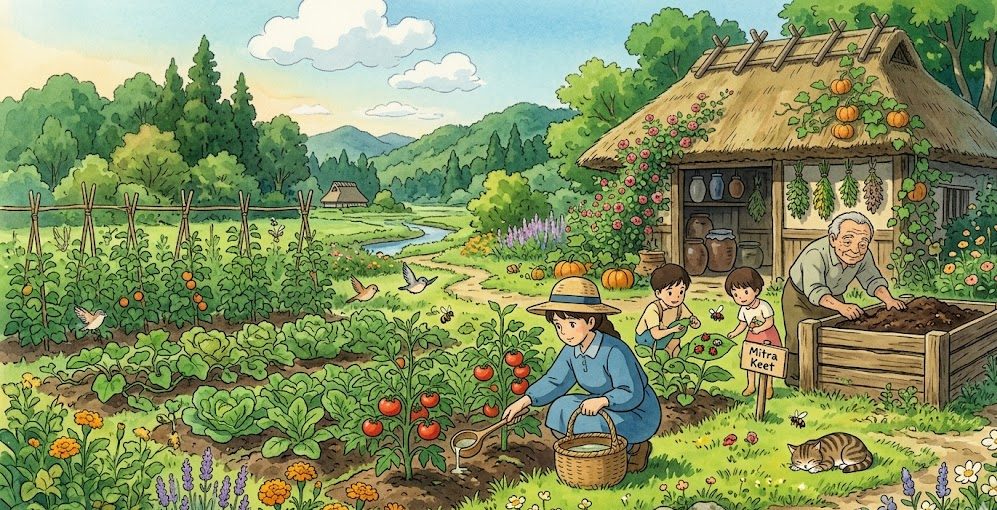
For decades, the standard approach to farming and gardening was simple: if a bug eats your plant, spray it with a chemical. If the soil looks tired, dump synthetic nitrogen on it. However, the tide is turning. Farmers and home gardeners alike are realizing that while “quick-fix” chemicals provide immediate results, they often leave behind a legacy of depleted soil, toxic runoff, and resilient “super-bugs.”
The future of agriculture isn’t found in a laboratory—it’s found in nature. By leveraging organic pesticides and bio-fertilizers, we can protect our crops and nourish our earth simultaneously. This guide explores how to transition to a chemical-free lifestyle that is better for the planet, your health, and your wallet.
Why Make the Switch? The Problem with Synthetics
Before diving into the “how,” let’s look at the “why.” Synthetic pesticides and fertilizers are designed for efficiency, but they come with significant hidden costs:
- Soil Degradation: Chemical fertilizers provide a “sugar hit” of nutrients but kill the beneficial microbes and fungi that make soil naturally fertile.
- Pollution: Runoff from synthetic chemicals enters our groundwater and oceans, leading to massive “dead zones” where aquatic life cannot survive.
- The Pesticide Treadmill: Pests eventually develop resistance to chemicals. This forces farmers to use stronger, more toxic doses, creating a never-ending cycle of dependency.
- Health Risks: Trace amounts of pesticides often remain on produce, posing potential long-term health risks to consumers.
By choosing organic alternatives, you are building a self-sustaining ecosystem rather than a chemical-dependent one.
Bio-Fertilizers: Feeding the Soil, Not Just the Plant
In organic farming, we don’t “feed” the plant; we feed the soil. When the soil is healthy and full of microbial life, the plants become naturally stronger and more resistant to disease.
1. Compost: “Black Gold”
Compost is the cornerstone of organic gardening. It’s the process of recycling kitchen scraps and yard waste into nutrient-rich humus.
- Benefits: Improves soil structure, increases water retention, and introduces a wide array of beneficial bacteria.
- How to use: Mix it into your topsoil or use it as a mulch around the base of your plants.
2. Liquid Bio-Fertilizers (Jeevamrut)
Popular in natural farming, liquid bio-fertilizers are fermented mixtures of organic matter (like cow dung, urine, jaggery, and pulse flour).
- The Science: This isn’t just about nitrogen; it’s about microbial inoculation. A few gallons of this mixture can introduce billions of beneficial microbes back into the soil.
3. Green Manure
This involves planting specific “cover crops” like clover, alfalfa, or mustard, and then tilling them back into the soil before they flower.
- Why it works: These plants (especially legumes) fix nitrogen from the atmosphere into the soil, providing a free and natural nutrient boost.
Organic Pesticides: Protecting Your Crops Naturally
The goal of organic pest management isn’t necessarily to kill every single bug. It’s to keep the pest population at a manageable level while preserving beneficial insects like ladybugs and bees.
1. Neem Oil: Nature’s Multitasking Miracle
Neem oil, derived from the seeds of the Neem tree, is perhaps the most effective organic pesticide available.
- How it works: It contains Azadirachtin, which disrupts the hormonal systems of insects, preventing them from eating, molting, or laying eggs.
- Best for: Aphids, whiteflies, and mites.
2. Garlic and Chili Sprays
Pests have sensitive senses. A potent spray made from crushed garlic and hot peppers acts as a powerful repellent.
- DIY Recipe: Blend two bulbs of garlic with 5-6 hot chilies, steep in water overnight, strain, and mix with a teaspoon of biodegradable soap.
3. Biological Control (Beneficial Insects)
Sometimes, the best way to fight a bug is with another bug.
- Ladybugs: These are voracious predators of aphids.
- Praying Mantises: They eat almost any pest that crosses their path.
- Trichogramma Wasps: These tiny, non-stinging wasps lay their eggs inside the eggs of harmful caterpillars, stopping the pest before it’s even born.
Integrated Pest Management (IPM) Strategies
Beyond sprays and fertilizers, successful organic farming relies on smart management.
Crop Rotation
Never plant the same family of crops in the same spot two years in a row. For example, if you grow tomatoes (which attract certain soil-borne diseases), move them next year and plant beans or leafy greens instead. This breaks the life cycle of pests.
Companion Planting
Certain plants just get along better.
- Marigolds: Their scent repels nematodes and many garden pests.
- Basil and Tomatoes: Planting these together not only improves the flavor of the tomatoes but also repels flies and mosquitoes.
- Alliums (Onions/Chives): These act as a “shield” for carrots by masking their scent from carrot flies.
The Economics of Going Organic
A common myth is that organic farming is more expensive. While organic produce at the store may cost more, growing organically can actually save money:
- No more expensive chemicals: You stop paying for branded synthetic fertilizers and pesticides.
- Waste to Wealth: You turn your kitchen waste into free compost.
- Seed Saving: Organic plants are often heirloom varieties, meaning you can save seeds from this year’s harvest to plant next year.
Conclusion: A Healthier Legacy
Transitioning to organic pesticides and bio-fertilizers is a journey, not an overnight switch. It requires patience as you wait for the soil’s natural biology to return. However, the rewards are immense: vibrant, nutrient-dense food, a buzzing garden full of life, and the peace of mind that comes with knowing your hobby or livelihood isn’t harming the earth.
Whether you have a thousand-acre farm or three pots on a balcony, the choice to go organic is a choice for a sustainable future.
Quick Reference: Organic Solutions Table
| Problem | Organic Solution | How it Works |
| Nitrogen Deficiency | Compost / Legumes | Adds slow-release nutrients and microbes. |
| Sucking Insects | Neem Oil / Soap Spray | Disrupts growth and suffocates pests. |
| Fungal Diseases | Baking Soda / Milk Spray | Changes pH levels to inhibit fungal growth. |
| Slugs and Snails | Beer Traps / Eggshells | Attracts/Drowns or creates a sharp barrier. |
| Low Soil Vitality | Vermicompost | Uses earthworms to create highly potent fertilizer. |