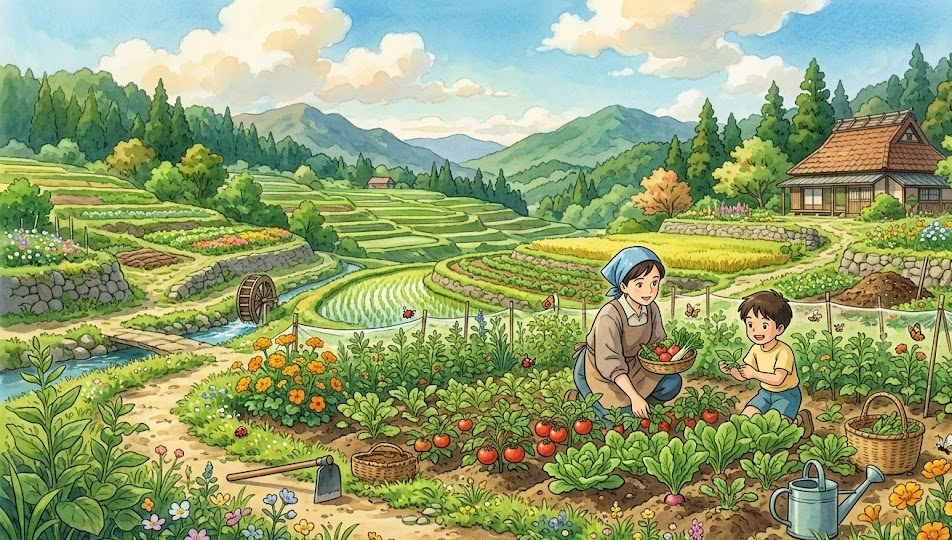
The global agricultural landscape is shifting toward more sustainable, cost-effective, and resilient methods. For modern farmers and digital entrepreneurs in the agri-tech space, the focus has moved from high-chemical dependency to “Smart Farming” and natural restoration. This transition not only secures the environment but also enhances long-term profitability.
The Foundation of a Successful Harvest: Smart Planning
Before planting a single seed, successful modern farming requires a strategic “Blueprint”. Integrating innovation with traditional wisdom is the key to creating a high-yielding ecosystem.
- Understanding Soil Management: Healthy crops begin with “Healing the Soil Naturally”. Instead of relying solely on synthetic fertilizers, focusing on soil science—such as organic matter enrichment and microbial health—ensures the ground remains productive for generations.
- AgriTech and Innovation: Utilizing “AI and Smart Technology” allows for precision agriculture. Sensors and data analytics can monitor moisture levels and nutrient requirements in real-time, reducing waste and maximizing efficiency.
- Climate Adaptation: Implementing “Climate & Soil Management” strategies helps farms withstand unpredictable weather patterns. Selecting crops that are resilient to local climate shifts is a cornerstone of “Sustainable Farming”.
Practical Farming Techniques for Maximum Yield
Practicality in farming means doing more with less. By optimizing resources, you can increase the quality of your output without ballooning your overhead costs.
1. Water Saving and Irrigation
Water is the most precious resource in agriculture. “Water Saving Farming” techniques, such as drip irrigation or rainwater harvesting, ensure that every drop is utilized effectively. This is particularly vital for “Micro Farming” setups where space and resources are at a premium.
2. Diversification through High-Value Crops
To increase revenue, many farmers are turning to “High-Value Cash Crops”. Growing “Exotic Vegetable Farming” or “Herbal & Medicinal Plants” can offer significantly higher profit margins compared to traditional grains.
- Mushroom Farming: This requires minimal land and can be a highly profitable “Sustainable Farming” venture.
- Hydroponics: A soil-less method that allows for “Smart Crop Farming” in controlled environments, ensuring year-round production.
3. Seasonal Mastery
Success in agriculture requires a “Year-Round Strategy”. “Summer Farming” and “Winter Farming” each present unique challenges. A smart farmer uses “Smart Farming” tools to rotate crops according to the season, maintaining soil fertility and a steady income stream.
Natural Crop Protection: Safeguarding Your Investment
Protecting your crops doesn’t have to mean drenching them in pesticides. “Natural Protection” strategies are safer for the consumer, the farmer, and the AdSense-friendly content niche.
- Integrated Pest Management (IPM): This involves “Natural Protection” methods like introducing beneficial insects that prey on pests.
- Effective Weed Control: Instead of harsh chemicals, “Weed Control” can be achieved through mulching, cover cropping, and “Practical Farming” manual techniques that keep the soil covered and protected.
- Forgotten Crops as Bio-Shields: Planting “Forgotten Crops Farming” alongside main cash crops can act as a natural deterrent for certain pests, a technique often used in “Survival Farming” and organic circles.
Modern Business Models: The “Innovation Hub”
For the digital entrepreneur, farming is no longer just about the field; it’s about the “Farming Innovation Hub”. This involves creating a “Digital Wealth Blueprint” around agricultural knowledge.
- Integrated Farming Systems: Combining “Livestock & Dairy Hub” activities with “Fish & Aqua Farming” creates a circular economy. The waste from livestock can fertilize the fields, and the water from aqua-farming can be nutrient-rich for crops.
- Animal Health and Productivity: Maintaining high standards of “Animal Health” within “Poultry Farming” and “Dairy Farming” ensures that these side-businesses contribute effectively to the overall “Sustainable Business” model.
- Passive Income in Agri-Tech: Developing tools for “Freelancing & Remote Jobs” in the agri-tech sector or creating “Passive Income” through automated farm management apps are the new frontiers of the “Digital Entrepreneur”.
Conclusion: The Future of the Green Revolution
Transforming your harvest is a journey of continuous learning and adaptation. By blending “AgriTech & Innovation” with “Natural Soil Healing” and “Practical Farming” tips, you create an agricultural system that is both profitable and permanent.
Whether you are managing a large-scale operation or a “Micro Farming” project, the goal remains the same: to produce “High-Value” results while respecting the “Natural Protection” of our planet. Embrace the “Smart Farming” revolution today and secure a harvest that is as sustainable as it is bountiful.