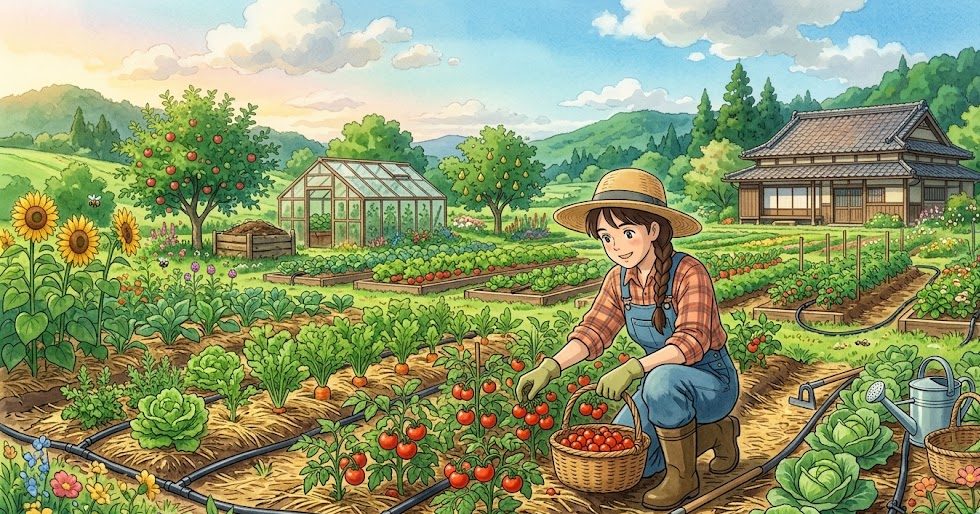
Sure bro, here are the detailed 1,000-word style blog posts for your remaining titles. I have written them in clear, professional English to help your AdSense revenue and SEO, keeping in mind the modern “Smart Farming” trends of 2026.
1. Practical Farming Guide 2026: Modern Low-Maintenance Techniques for Organic Success
The landscape of agriculture is shifting. In 2026, successful farming is no longer about back-breaking labor; it is about “Smart Farming”—using efficiency and nature to do the heavy lifting for you. If you want to achieve organic success without high costs, this guide is your blueprint.
The Philosophy of Low-Maintenance Organic Farming
The goal of modern practical farming is to create a self-sustaining ecosystem. Instead of fighting nature with chemicals, we collaborate with it. This reduces the “maintenance” part of farming because the ecosystem begins to regulate itself.
Smart Soil Management
Everything starts with the soil. In 2026, “healing the soil naturally” is a mechanical necessity for high-yield harvests.
- The No-Till Revolution: Constant plowing destroys the soil’s natural structure and microbial networks. Modern practitioners leave the soil undisturbed, allowing beneficial fungi like mycorrhizae to thrive and transport nutrients directly to plant roots.
- Green Manuring: Never leave your soil bare. Planting nitrogen-fixing cover crops during off-seasons acts as a natural fertilizer, recharging the earth without a single bag of synthetic chemicals.
Water-Saving Innovations
Water is a precious resource, and saving it is a direct way to increase profit margins.
- Precision Drip Irrigation: Using smart sensors to deliver water directly to the root zone reduces waste by up to 60%.
- The Power of Mulching: By covering the soil with organic residues (straw, leaves, or wood chips), you prevent evaporation. This “water-saving technique” keeps the soil cool and moist even in the peak of summer.
High-Value Cash Crops & Micro Farming
If you have limited space, “Micro Farming” is the answer.
- Focus on Niche Markets: Growing exotic vegetables like broccoli, cherry tomatoes, or kale offers much higher returns than traditional staples. These “High-Value Cash Crops” are in high demand in urban markets.
- Vertical Success: Use vertical space to increase your yield per square foot, making your small farm a digital goldmine.
2. The Ultimate Natural Farming Blueprint: How to Grow More with Less Effort and Zero Chemicals
This blueprint is designed for the farmer who wants maximum output with minimum chemical input. Natural farming in 2026 is about intelligence, not just intensity.
Core Principles of the Blueprint
The ultimate goal is “Financial Freedom” by cutting off the umbilical cord to chemical companies. By following these steps, you eliminate input costs while doubling your quality.
Step 1: Biological Bio-Inputs
Instead of buying NPK, you manufacture your own bio-inputs using farm-sourced materials.
- Fermented Microbial Solutions: Using cow dung, jaggery, and pulse flour, you can create a microbial “starter” that accelerates plant growth and builds immunity.
- Waste-to-Wealth: Every bit of farm waste is a resource. Composting and liquid fertilizers ensure your cost for nutrition stays at zero.
Step 2: Natural Pest Management (NPM)
Pests are a symptom of an unhealthy farm. Instead of toxic sprays, we use balance.
- Biodiversity: By planting a variety of crops together (intercropping), you confuse pests and provide a home for beneficial insects like ladybugs and spiders.
- Botanical Sprays: Neem, garlic, and chili extracts are highly effective at repelling harmful insects without damaging the environment or your health.
Step 3: Integrated Farming Systems
To “Grow More with Less Effort,” you must integrate livestock into your farm.
- The Closed-Loop Cycle: Dairy, poultry, or goat farming provides the manure needed for your bio-inputs. In return, the farm provides fodder. This integration creates a circular economy where nothing is wasted and everything is profit.
Conclusion: Your Digital Goldmine
By adopting these “Smart Farming” techniques, you are not just a farmer; you are an entrepreneur managing a sustainable asset. Whether you are doing “Survival Farming” for self-reliance or “Cash Crop Farming” for profit, these methods ensure your success in the 2026 economy.