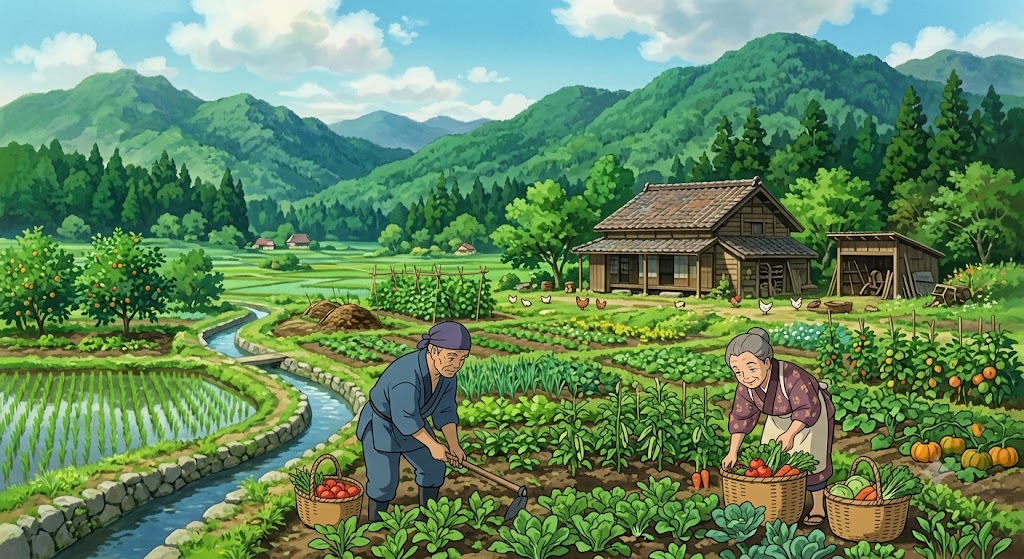
Farming profitability is not always determined by the size of a farm or the amount of money invested. In many cases, successful farmers achieve higher yields and better returns by adopting smart, low-cost farming methods that maximize available resources. Rising input costs, changing weather patterns, and increasing market competition have encouraged farmers around the world to focus on efficiency rather than expensive solutions.
Low-cost farming techniques help reduce production expenses, improve crop performance, and increase long-term sustainability. These methods are especially valuable for small and medium-sized farmers who want to improve productivity without making large financial investments.
Why Cost-Effective Farming Matters
Every farming operation faces financial challenges. Expenses related to seeds, fertilizers, irrigation, labor, machinery, and pest control can quickly reduce profit margins.
Implementing affordable farming practices can provide several benefits:
- Lower production costs
- Improved crop yields
- Better resource utilization
- Increased farm profitability
- Reduced environmental impact
- Greater resilience during difficult seasons
By focusing on efficiency and sustainability, farmers can strengthen their operations while maintaining healthy financial performance.
1. Improve Soil Health with Organic Matter
Healthy soil is one of the most valuable assets on any farm. Investing in soil improvement often produces greater long-term returns than purchasing expensive inputs.
Affordable methods to improve soil health include:
- Adding compost
- Applying farmyard manure
- Using crop residues
- Growing cover crops
- Practicing mulching
Organic matter improves soil structure, increases water retention, enhances nutrient availability, and supports beneficial microorganisms.
Healthier soil leads to stronger crops and higher yields with fewer external inputs.
2. Practice Crop Rotation
Growing the same crop repeatedly can lead to nutrient depletion, pest problems, and declining productivity.
Crop rotation helps:
- Break pest and disease cycles
- Improve soil fertility
- Reduce fertilizer requirements
- Enhance overall crop performance
For example, farmers can alternate cereals with legumes to naturally improve nitrogen levels in the soil.
This simple practice often increases yields while lowering production costs.
3. Use Mulching to Conserve Moisture
Mulching is a highly effective and inexpensive farming technique.
Materials commonly used for mulching include:
- Straw
- Dry leaves
- Grass clippings
- Crop residues
- Organic compost
Mulch provides several benefits:
- Reduces water evaporation
- Suppresses weeds
- Regulates soil temperature
- Improves soil structure
- Reduces erosion
By conserving moisture, farmers can reduce irrigation requirements and lower water-related expenses.
4. Collect and Store Rainwater
Water management plays a major role in farm profitability.
Simple rainwater harvesting systems allow farmers to capture and store water during rainy periods for later use.
Common approaches include:
- Farm ponds
- Storage tanks
- Water harvesting pits
- Small reservoirs
Rainwater collection reduces dependence on external water sources and helps protect crops during dry conditions.
5. Adopt Efficient Irrigation Practices
Traditional irrigation methods often waste significant amounts of water.
Low-cost improvements can greatly increase efficiency.
Examples include:
- Drip irrigation for high-value crops
- Irrigation scheduling
- Watering during cooler hours
- Repairing leaks promptly
- Using moisture monitoring techniques
Efficient irrigation reduces water costs while improving plant growth and crop quality.
6. Produce Compost on the Farm
Commercial fertilizers can be expensive, especially when prices fluctuate.
Many farmers can reduce fertilizer costs by producing compost from farm waste materials.
Suitable compost materials include:
- Crop residues
- Animal manure
- Kitchen waste
- Dry leaves
- Green plant material
Homemade compost improves soil fertility and reduces dependence on purchased fertilizers.
Over time, this practice can significantly lower production expenses.
7. Encourage Natural Pest Control
Pest management does not always require expensive chemical treatments.
Farmers can use natural pest control strategies such as:
- Companion planting
- Beneficial insects
- Crop diversity
- Neem-based products
- Field sanitation
These methods help reduce pesticide costs while supporting environmental sustainability.
Integrated pest management often delivers excellent results at a lower overall cost.
8. Choose High-Quality Seeds
While purchasing quality seeds may seem like an added expense, it often produces better returns than using low-quality planting material.
Improved seed varieties can provide:
- Better germination rates
- Higher productivity
- Disease resistance
- Improved crop uniformity
- Better market value
Selecting suitable varieties for local growing conditions can greatly improve farm performance.
9. Reduce Post-Harvest Losses
Many farmers lose a significant portion of their harvest after crops leave the field.
Simple post-harvest improvements can protect income and increase profitability.
Useful practices include:
- Proper drying techniques
- Clean storage facilities
- Pest-proof containers
- Careful handling during transport
- Timely marketing
Reducing losses means more products reach the market and generate revenue.
10. Diversify Farm Activities
Relying on a single crop can increase financial risk.
Diversification creates multiple income streams and improves farm stability.
Options may include:
- Vegetable production
- Fruit cultivation
- Poultry farming
- Fish farming
- Beekeeping
- Livestock production
Diversified farms are often more resilient to market fluctuations and weather-related challenges.
11. Make Better Use of Farm Labor
Efficient labor management can reduce costs without sacrificing productivity.
Strategies include:
- Planning seasonal activities carefully
- Organizing work schedules
- Using simple labor-saving tools
- Training workers properly
Improved labor efficiency helps complete important tasks on time while controlling expenses.
12. Keep Farm Records
Many successful farmers track expenses, production levels, and sales.
Farm records help identify:
- Profitable crops
- Unnecessary expenses
- Productivity trends
- Areas for improvement
Accurate record-keeping supports better decision-making and improves long-term profitability.
Building a Cost-Effective Farming System
The most productive farms often combine several low-cost techniques rather than relying on a single strategy.
An effective approach may include:
- Improving soil health
- Conserving water
- Rotating crops
- Managing pests naturally
- Producing farm-made compost
- Diversifying income sources
- Monitoring expenses regularly
Together, these practices create a more efficient and profitable farming operation.
Conclusion
Low-cost farming methods offer practical solutions for improving productivity and increasing farm income without requiring major financial investments. By focusing on soil health, water conservation, crop rotation, natural pest management, quality seeds, and efficient resource use, farmers can reduce expenses while achieving stronger yields.
Sustainable farming is not about spending more money—it is about making smarter decisions with available resources. Farmers who adopt cost-effective practices often enjoy greater profitability, improved resilience, and long-term success while protecting the health of their land for future generations.