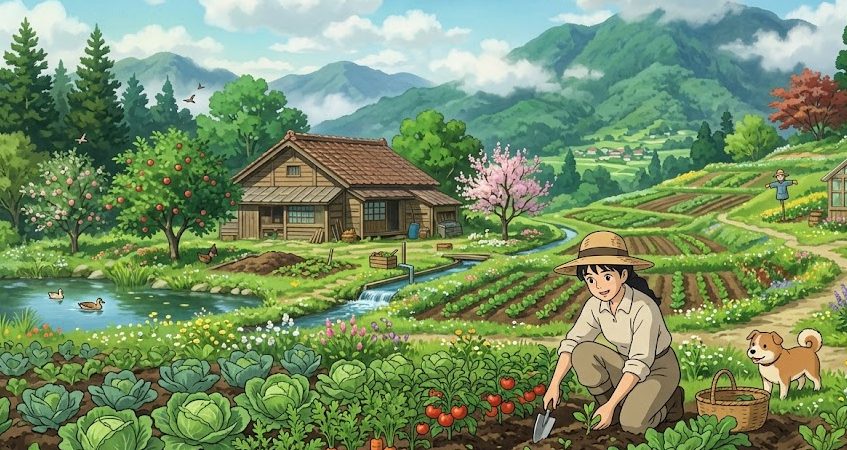
Agriculture is often viewed as a simple act of planting seeds and waiting for a harvest. However, in the modern era, successful farming is a complex synergy of biology, meteorology, and business management. Whether you are managing a backyard homestead or scaling a commercial operation, the difference between a struggling farm and a thriving one lies in your strategy.
This guide provides a deep dive into the essential pillars of modern, sustainable farming, helping you maximize your output while lowering your operational costs through natural protection methods.
Phase 1: Strategic Farm Planning
Planning is the roadmap to your success. A lack of structure leads to wasted resources, exhausted soil, and low yields.
1. The Power of Site Analysis
Before you break ground, you must understand your land. Not every field is suitable for every crop.
- Topography & Drainage: Water management begins with knowing your slopes. Low-lying areas are prone to waterlogging, which kills roots. Identify these areas for crops that enjoy moisture or for constructing pond systems.
- Sun Mapping: Track how light moves across your property. High-sun crops (like tomatoes or peppers) need 6–8 hours of direct light, while leafy greens can tolerate partial shade.
- Soil Testing (The Non-Negotiable): Use a professional lab or a quality DIY kit to check your N-P-K (Nitrogen, Phosphorus, Potassium) levels and soil pH. Adjusting your soil chemistry before planting is cheaper than trying to “fix” a struggling crop mid-season.
2. The Crop Selection Matrix
Choose crops based on three factors: Market demand, environmental suitability, and labor intensity. If you are a beginner, start with “high-success” crops like radishes, kale, or beans, which have short growth cycles and high resilience.
Phase 2: Building Soil Health (The Underground Asset)
Your soil is not just dirt; it is a complex, living ecosystem. If you treat it like a factory, it will eventually shut down. If you treat it like a garden, it will reward you for decades.
1. The “No-Till” Revolution
Traditional tilling breaks down soil structure and kills essential earthworms and fungal networks (mycorrhizae). By minimizing soil disturbance, you allow these organisms to create natural tunnels for air and water, leading to stronger root systems.
2. Composting as a Resource Engine
Stop treating organic waste as trash. Farm waste, kitchen scraps, and lawn clippings are “black gold.”
- Carbon-to-Nitrogen Ratio: Aim for a balance of “browns” (dried leaves, straw) and “greens” (fresh grass, manure, veggie scraps).
- Vermicomposting: Introduce earthworms to your compost pile. Their castings are the highest-quality fertilizer available, containing microbes that suppress soil-borne diseases.
3. Cover Cropping
Never leave your soil bare. Bare soil is subject to erosion and nutrient leaching. Planting “cover crops” like clover, vetch, or winter rye during the off-season protects the soil, fixes nitrogen, and smothers weeds.
Phase 3: Natural Protection & Pest Management
Chemical pesticides are a short-term fix with long-term consequences. They kill beneficial insects alongside pests and leave chemical residues in your food. Integrated Pest Management (IPM) is the smarter, natural alternative.
1. The Strategy of Companion Planting
Certain plants have natural affinities. This is one of the oldest farming secrets.
- The “Three Sisters” Method: Planting corn, beans, and squash together. The corn provides a trellis for the beans, the beans fix nitrogen for the corn, and the squash leaves shade the ground, preventing weeds and moisture loss.
- Repellent Planting: Planting marigolds or garlic near vulnerable crops can mask their scent, making it difficult for pests to find their “target.”
2. Attracting Beneficial Predators
You don’t need to kill every bug. You need to invite the ones that eat the pests.
- Ladybugs & Lacewings: These are the ultimate aphid-killers. By planting dill, fennel, or yarrow, you provide the nectar these predators need to thrive.
- Bird Houses: Attracting insect-eating birds like swallows or bluebirds can provide 24/7 pest control for your fields.
3. Physical Barrier Techniques
Sometimes, a physical barrier is the most effective deterrent:
- Floating Row Covers: These light, breathable fabrics let in light and water but keep moths from laying eggs on your brassicas.
- Physical Mulching: A 3-inch layer of straw or wood chips prevents weed seeds from germinating by depriving them of sunlight. It also keeps soil temperature stable, reducing plant stress.
Phase 4: Sustainable Water Management
Climate change is making weather patterns unpredictable. Your farm must be resilient against both drought and heavy flooding.
1. Drip Irrigation
Drip lines deliver water directly to the plant root zone, where it is needed most. This method reduces water consumption by up to 50% compared to overhead sprinklers and drastically reduces the incidence of fungal diseases caused by wet leaves.
2. Swales and Rainwater Harvesting
Design your land to hold water. Swales—small, horizontal ditches dug along the contour of a hill—allow rainwater to soak into the ground rather than running off and causing erosion. Pair this with rain barrels or cisterns to store thousands of liters of water for free.
Conclusion: The Long-Term View
Farming is a marathon, not a sprint. Success comes from observation. Spend time walking your fields every morning. Look at the underside of your leaves, check the moisture of your soil, and observe the bird activity.
By prioritizing soil health, implementing IPM strategies, and managing your water intelligently, you are not just growing food; you are building a legacy. These strategies may take more planning upfront, but they result in a farm that requires less outside input, offers higher profit margins, and provides a healthier product for the community.
Start small. Choose one strategy from this list—perhaps soil testing or a simple compost pile—and implement it today. Once you master that, move to the next. Your land will thank you.