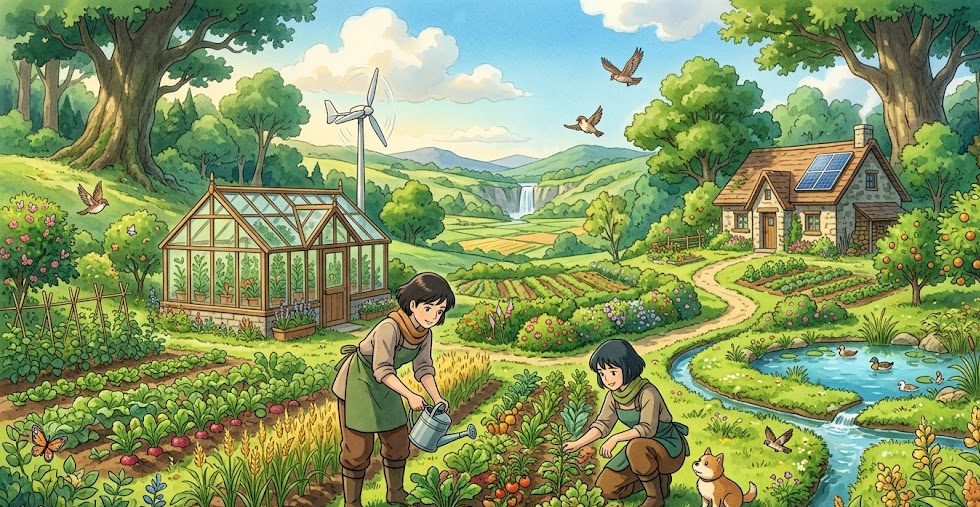
The face of global agriculture is changing at an unprecedented pace. As we navigate through 2026, the intersection of technology and biology has created a new era of “Smart Farming.” For farmers, entrepreneurs, and stakeholders, understanding these advanced techniques is no longer just an option—it is a necessity for long-term profitability and environmental stewardship.
In this guide, we dive deep into the advanced farming techniques that are ensuring sustainable success and high-yield productivity.
1. The Digital Transformation: Precision Agriculture
Precision agriculture is the cornerstone of modern agricultural success. It shifts the management focus from large field blocks to individual plant or micro-zone management.
How It Works:
By utilizing GPS, IoT sensors, and satellite data, farmers can map their fields with extreme accuracy. These tools monitor soil moisture, nutrient levels, and plant health in real-time.
- Variable Rate Technology (VRT): Instead of applying the same amount of fertilizer to every inch of land, VRT allows farmers to apply inputs only where they are needed.
- Economic Impact: This reduces wastage of expensive inputs like fertilizers and pesticides by 20% to 30%, directly boosting the profit margin.
2. Vertical Farming and Controlled Environment Agriculture (CEA)
Vertical farming represents a departure from horizontal land usage. By stacking layers of crops in a climate-controlled environment, you can grow food regardless of external weather conditions.
Why It’s a Game Changer:
- Water Efficiency: Using recirculating hydroponic or aeroponic systems, vertical farms use up to 95% less water than traditional soil farming.
- Year-Round Harvests: Since the climate is controlled (light, temperature, humidity), you can harvest crops 365 days a year, providing a consistent supply for the market.
- Urban Proximity: These farms can be built near city centers, reducing transportation costs and the carbon footprint associated with “farm-to-table” logistics.
3. Regenerative Agriculture: Soil Health as Capital
While precision tech handles the “how,” regenerative agriculture focuses on the “foundation”—the soil. The core philosophy here is to treat soil as a living ecosystem rather than just a physical medium for roots.
Core Practices:
- No-Till Farming: By not disturbing the soil, you preserve the natural fungal networks (mycorrhizae) that help plants absorb nutrients.
- Cover Cropping: Planting “green manure” (like clover or rye) during the off-season prevents soil erosion and suppresses weeds.
- Holistic Grazing: Integrating livestock in a way that mimics natural migration patterns helps in natural fertilization.
The result: Over time, the soil becomes richer in organic carbon, making it more resilient to droughts and extreme weather events.
4. AI and Robotics in Field Management
Artificial Intelligence is no longer just for software companies; it’s now a vital farm tool. From autonomous tractors to AI-powered drones, automation is filling the labor gap in modern agriculture.
- Weed Detection: AI-powered cameras mounted on tractors can identify weeds in real-time and spray them with a laser or a tiny drop of herbicide, avoiding damage to crops.
- Predictive Analytics: AI models analyze historical data, market prices, and climate patterns to suggest the best time to plant, irrigate, or harvest, minimizing the risk of crop failure.
5. Smart Irrigation: The Future of Water Management
Water is becoming the most precious commodity in agriculture. Moving away from flood irrigation is mandatory for sustainable success.
Advanced Strategies:
- Drip Irrigation with Sensors: Soil moisture sensors trigger irrigation only when the plant hits a specific “wilting point.”
- AI-Driven Irrigation: By analyzing weather forecasts, the system can postpone irrigation if it predicts rainfall, saving energy and water.
- Subsurface Drip: Delivering water directly to the root zone minimizes evaporation loss, ensuring that almost every drop is used by the plant.
6. Integrated Pest Management (IPM)
Chemical dependence is a risk to both the environment and human health. IPM is a structured approach that emphasizes long-term prevention of pests through a combination of techniques.
- Biological Control: Releasing beneficial insects (like parasitic wasps or predatory beetles) to eat crop-destroying pests.
- Pheromone Traps: Using scents to disrupt the mating cycles of pests, significantly reducing their population without chemicals.
- Crop Rotation: Changing the types of crops grown in a field every season breaks the life cycle of soil-borne pests.
The Economic Advantage of Sustainability
Many believe that “sustainable” means “less productive.” Data from 2026 proves the opposite. Sustainable farms have:
- Lower Operating Costs: Less reliance on chemical inputs and optimized water usage.
- Premium Market Access: Consumers are increasingly willing to pay a premium for produce that is certified “sustainably grown.”
- Long-Term Asset Value: Healthy soil and controlled environments ensure that your land remains productive for decades, not just a few seasons.
Frequently Asked Questions (FAQs)
Q: Which technique is best for a beginner farmer? A: Start with Integrated Pest Management (IPM) and basic drip irrigation. These are low-cost, high-impact changes that provide immediate improvement in crop health.
Q: Does vertical farming require a lot of energy? A: Yes, the lighting and climate control systems are energy-intensive. However, many vertical farms are now integrating solar power to offset these costs, making the model sustainable.
Q: How does sustainable farming affect the resale value of land? A: Farms with high soil organic matter and modern infrastructure have higher appraisal values because they are viewed as low-risk, high-productivity assets.
Q: Can I combine these techniques? A: Absolutely. In fact, they work best together. For example, using Precision Agriculture to manage a Regenerative Farming plot is considered the gold standard in sustainable agriculture.
Conclusion
Achieving success in agriculture today requires a hybrid mindset. You must be part agronomist, part data analyst, and part environmentalist. By adopting precision, regenerative, and automated technologies, you are not just growing crops—you are building a resilient, profitable, and future-ready business.
The path to success lies in optimizing your inputs, restoring your soil, and embracing the digital tools that make farming more efficient than ever before.