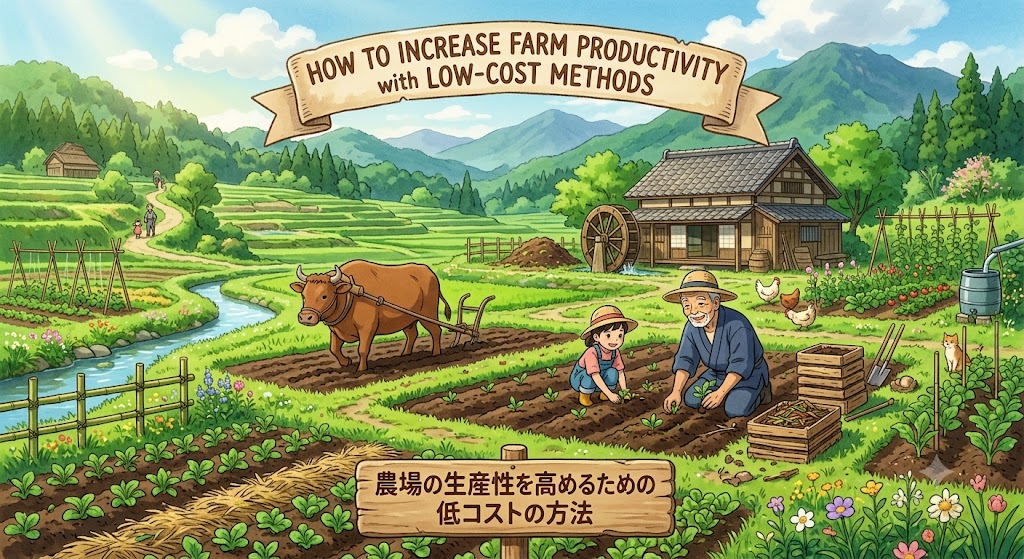
Modern farming is no longer based only on hard work and experience. Today’s successful farmers combine traditional knowledge with practical tools that improve efficiency, reduce labor, and increase crop productivity. Whether managing a small family farm or a large agricultural business, having the right equipment can make daily operations faster, easier, and more cost-effective.
Fortunately, not every useful farming tool is expensive. Many essential tools are affordable, durable, and suitable for farms of all sizes. Investing in quality equipment not only saves time but also helps improve crop health, reduce waste, and increase long-term profitability.
This guide explores seven essential tools every modern farmer should consider using in 2026.
Why Modern Farming Tools Matter
Agriculture faces growing challenges, including rising labor costs, unpredictable weather, water shortages, and increasing food demand. Reliable farming tools help farmers overcome these challenges by improving productivity and reducing unnecessary effort.
Some key benefits include:
- Faster field operations
- Reduced labor requirements
- Better crop management
- Improved efficiency
- Lower production costs
- Higher crop yields
Choosing the right tools allows farmers to focus more on crop quality and farm management.
1. Soil Testing Kit
Healthy soil is the foundation of successful farming. Before planting any crop, farmers should understand the condition of their soil.
A soil testing kit helps measure:
- Soil pH
- Nutrient levels
- Organic matter
- Moisture conditions
Testing soil before planting helps farmers apply fertilizers more efficiently, avoid nutrient deficiencies, and improve crop performance.
Benefits
- Prevents unnecessary fertilizer use
- Improves soil management
- Supports healthier crop growth
- Reduces farming costs
2. Drip Irrigation System
Water is one of the most valuable resources in agriculture. Traditional irrigation methods often waste large amounts of water through evaporation and runoff.
A drip irrigation system delivers water directly to plant roots.
Advantages
- Saves water
- Reduces weed growth
- Improves crop health
- Lowers irrigation costs
- Supports drought management
Drip irrigation is especially useful for vegetables, fruit orchards, and commercial crops.
3. Battery-Powered Backpack Sprayer
Modern backpack sprayers provide consistent spray pressure without manual pumping.
They are useful for applying:
- Organic fertilizers
- Neem oil
- Bio-pesticides
- Liquid nutrients
- Foliar sprays
Benefits
- Uniform spraying
- Less physical effort
- Faster application
- Better coverage
- Increased efficiency
Always clean the sprayer after each use to extend its lifespan.
4. Hand Cultivator and Weeding Tools
Weeds compete with crops for sunlight, nutrients, and moisture. Keeping fields clean is essential for healthy crop growth.
Simple hand tools remain valuable because they:
- Remove weeds efficiently
- Loosen compacted soil
- Improve root aeration
- Reduce dependence on herbicides
They are especially useful for small farms, gardens, and vegetable production.
5. Moisture Meter
Overwatering and underwatering both reduce crop productivity.
A soil moisture meter helps farmers determine exactly when irrigation is needed.
Advantages
- Prevents water waste
- Improves irrigation timing
- Protects plant roots
- Supports healthy growth
This affordable tool can significantly improve water management during dry seasons.
6. Pruning Tools
Sharp pruning shears, loppers, and garden knives are essential for maintaining healthy plants.
Proper pruning helps:
- Remove diseased branches
- Improve air circulation
- Encourage new growth
- Increase fruit production
- Improve plant appearance
Clean, sharp tools also reduce the risk of spreading plant diseases.
7. Farm Record Book or Digital Farm Management App
One of the most valuable farming tools is accurate record keeping.
Successful farmers regularly track:
- Planting dates
- Seed varieties
- Fertilizer applications
- Pest outbreaks
- Irrigation schedules
- Harvest quantities
- Farm expenses
Keeping detailed records helps identify successful practices and improve future decision-making.
Comparison of Essential Farming Tools
| Tool | Primary Purpose | Main Benefit |
|---|---|---|
| Soil Testing Kit | Soil analysis | Better nutrient management |
| Drip Irrigation | Water management | Saves water and improves efficiency |
| Backpack Sprayer | Crop protection | Faster and even application |
| Hand Cultivator | Weed control | Healthier crops |
| Moisture Meter | Irrigation planning | Prevents overwatering |
| Pruning Tools | Plant maintenance | Better crop quality |
| Farm Record App | Farm management | Improved planning and profitability |
Tips for Choosing Farming Tools
Before purchasing equipment, consider:
- Farm size
- Crop type
- Budget
- Ease of maintenance
- Product durability
- Availability of replacement parts
- Manufacturer warranty
Buying quality tools often saves money in the long run.
Common Mistakes to Avoid
Many farmers reduce equipment efficiency by making avoidable mistakes.
Avoid:
- Buying tools without comparing quality
- Ignoring maintenance schedules
- Using damaged equipment
- Choosing tools unsuitable for crop type
- Storing equipment outdoors without protection
Proper care extends equipment life and improves performance.
Conclusion
Modern farming is becoming more efficient thanks to practical and affordable tools that simplify daily operations. From soil testing kits and drip irrigation systems to pruning tools and digital farm management apps, each piece of equipment plays an important role in improving productivity and reducing unnecessary costs.
Farmers do not need to purchase every tool at once. Starting with the equipment that addresses the most important challenges on your farm is often the smartest investment. Over time, the right tools can increase crop yields, improve resource management, and support a more profitable and sustainable farming business.
Frequently Asked Questions
1. What is the most important tool for modern farming?
A soil testing kit is one of the most valuable tools because healthy soil is essential for successful crop production.
2. Are modern farming tools expensive?
Not always. Many useful tools, such as moisture meters, hand cultivators, and backpack sprayers, are affordable for small farms.
3. Why is drip irrigation recommended?
Drip irrigation saves water, reduces weed growth, and delivers moisture directly to plant roots for better crop health.
4. How often should farming tools be maintained?
Tools should be cleaned after each use and inspected regularly to ensure safe and efficient operation.
5. Can digital farm management improve productivity?
Yes. Keeping accurate farm records helps farmers make better decisions, reduce waste, and improve overall profitability.