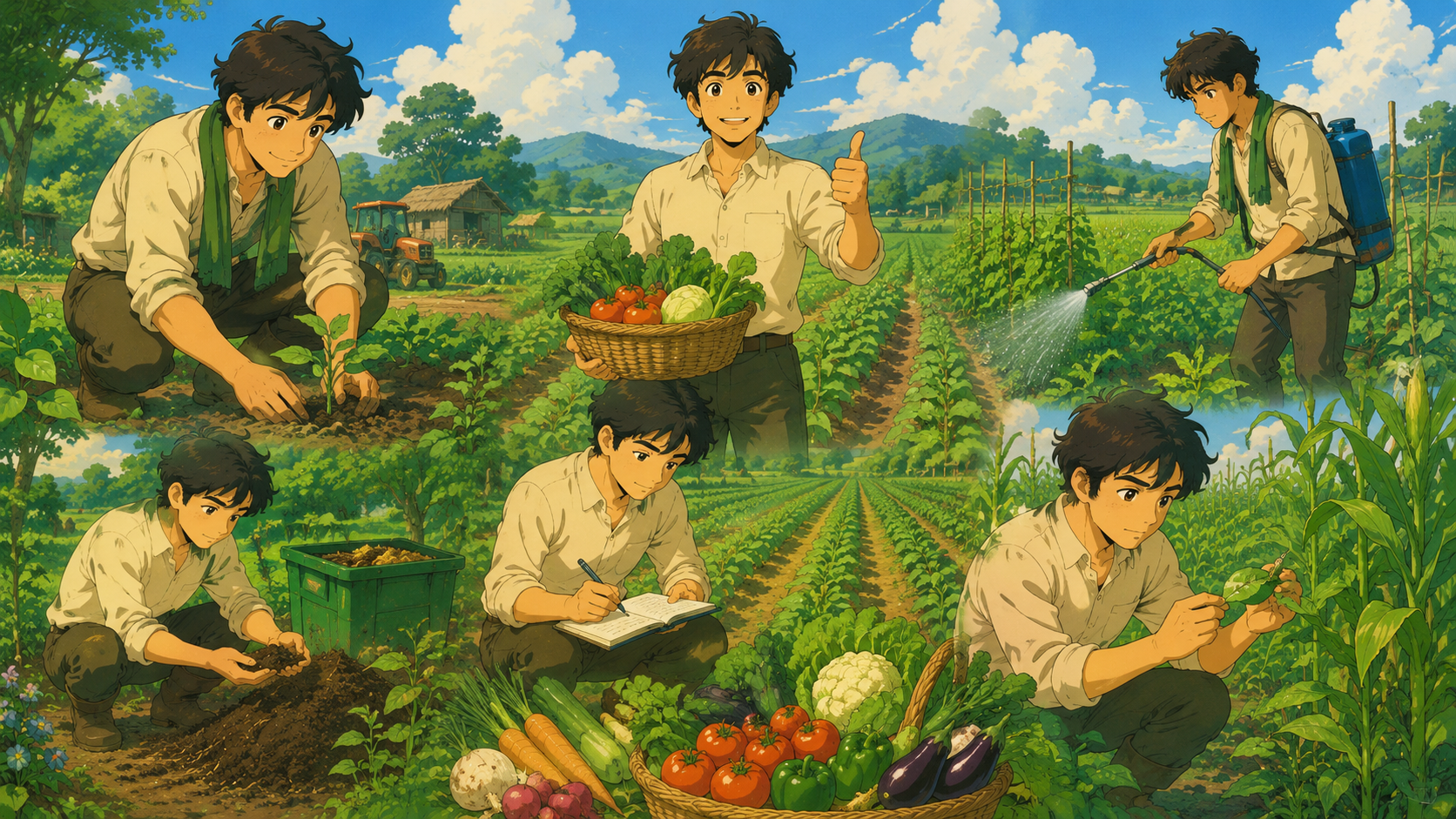
Farming is much more than putting seeds in the dirt and waiting for rain. It is a daily, active partnership with nature. Whether you are managing a few acres of vegetables or a larger commercial setup, the primary goal is always the same: growing healthier crops and securing a higher yield.
However, achieving that goal does not always mean working harder or spending more money. Often, it means working smarter. With changing weather patterns and rising agricultural costs, relying entirely on old habits or chemical heavy methods is no longer enough. You need practical, proven strategies that protect your environment and boost your harvest naturally.
If you want to turn a struggling field into a highly productive farm, you are in the right place. Let’s look at some actionable steps you can take to improve your crop growth and secure a better, more reliable yield this season.
Start with the Soil: Your Most Valuable Asset
Healthy crops simply cannot grow in poor, exhausted soil. Your soil is the foundation of your entire farming operation. Before you even think about buying seeds or planting, you need to know exactly what is happening beneath the surface.
The best first step is always conducting a soil test. A simple test tells you the pH level and exactly what nutrients are missing. Instead of guessing and throwing expensive, generic fertilizers onto your field, a test gives you a clear map of what your dirt actually needs.
Once you know your baseline, focus heavily on building up organic matter. Adding rich compost, aged animal manure, or tilling in cover crops breathes life back into tired earth. Organic matter acts like a sponge, improving how well your soil holds water during dry spells. It also creates a welcoming home for beneficial earthworms and microbes. Truly resilient agriculture starts right here, from the ground up.
Choose the Right Seeds for Climate Resilience
All the water and perfect soil in the world will not help if you plant the wrong seeds. Selecting the right variety for your specific environment is a massive factor in determining your final yield.
Many growers make the mistake of buying whatever seeds are cheapest or most heavily advertised. Instead, look for local, heirloom, or carefully bred hybrid varieties that are adapted for your region’s climate. If your area experiences hot, dry summers, actively look for drought-tolerant seeds. If you have a very short growing season before the frost hits, early-maturing varieties are absolutely essential.
Buying seeds from local suppliers, or taking the time to save your own seeds from your strongest plants year after year, gradually builds a crop that is perfectly adapted to your exact micro-climate. High yields come from seeds that feel at home in your field.
Smart Water Management for Consistent Growth
Water is life, but too much or too little can quickly ruin a harvest. Relying purely on natural rainfall is becoming riskier every single year. To get a higher yield, you need a smart, controlled watering strategy.
Drip irrigation is one of the absolute best investments a farmer can make. Unlike flood irrigation or overhead sprinklers—which waste water and wash away valuable topsoil—drip systems deliver moisture directly to the root zone. This keeps the leaves dry, which naturally reduces the risk of damaging fungal diseases like blight and mildew.
Also, pay close attention to your watering schedule. Watering early in the morning reduces water lost to evaporation from the hot afternoon sun. It ensures your plants have the deep hydration they need to survive the most stressful, hottest parts of the day.
A Real-Life Example: The Power of Crop Rotation
Let’s look at how a simple change in strategy can completely transform a harvest. Consider the story of a medium-scale farmer who grew corn in the exact same field for five years straight. Every year, he noticed his yield dropping, and his fertilizer costs kept going up. His soil was simply exhausted.
He decided to implement a simple crop rotation plan. The following season, instead of corn, he planted legumes—specifically beans and peas. Legumes have a unique, natural ability to pull nitrogen from the air and fix it directly into the soil roots.
By the time he planted corn in that field again the following year, the dirt was naturally rich in nitrogen. His corn grew taller, the stalks were noticeably stronger, and his yield increased by nearly 30%. He saved money on synthetic fertilizers and effectively broke the life cycle of pests that had been living in the old corn stalks. This is the real power of working with nature.
Practical Tips You Can Apply Right Now
You do not need expensive, heavy equipment to make immediate improvements. Here are a few highly practical strategies you can start using today:
- Use Mulch Generously: Covering the bare soil around your plants with straw, dry leaves, or dried grass clippings does wonders. Mulch blocks out competing weeds, locks in ground moisture, and slowly breaks down to feed the soil.
- Try Companion Planting: Some plants simply grow better together. Planting strongly scented marigolds near your tomatoes can naturally keep harmful root nematodes away. Basil planted near peppers can help mask the scent of the crops from hungry insects.
- Switch to Organic Pest Control: Instead of harsh chemicals that kill both good and bad bugs, use natural alternatives. Neem oil mixed with a few drops of mild soap is highly effective against soft-bodied pests like aphids and whiteflies, without harming the bees that pollinate your crops.
- Keep Your Tools Clean: Diseases spread very easily from a sick plant to a healthy one through dirty pruning shears or shovels. A quick wipe down with rubbing alcohol can save your entire crop from a bacterial outbreak.
Common Mistakes to Avoid
Even highly experienced growers can fall into bad habits. Avoiding these common traps is just as important as doing the right things.
First, stop over-fertilizing. Adding more fertilizer does not automatically equal bigger plants. In fact, too much synthetic nitrogen can burn tender roots, cause weak, leggy green growth, and actually invite more pests. Always follow the recommended doses and lean toward slow-release organic options.
Second, do not plant your crops too closely together. It is very tempting to squeeze in as many seeds as possible to try and force a bigger harvest. However, crowded plants constantly compete for sunlight, water, and soil nutrients. They also suffer from poor airflow, which is an open invitation for mold to spread. Give your crops the physical space they need to breathe and stretch.
Step-by-Step Guide to Preparing Your Field
Proper preparation prevents poor performance. Follow these simple steps before planting day arrives to set your field up for success:
- Clear the Area: Remove all weeds, old roots, and rocks. Weeds will aggressively steal the nutrients meant for your crops, so get them out early.
- Aerate the Soil: Gently loosen the soil using a broadfork or a tiller. Do not over-till, as pulverizing the dirt destroys the natural soil structure. Just break up the hard, compacted layers.
- Mix in Amendments: Based on the results of your soil test, blend in your compost, aged manure, or organic fertilizers. Work it evenly into the top few inches of the soil.
- Level the Ground: Rake the surface completely smooth to ensure even water distribution. Low puddles in uneven spots can easily drown young, delicate roots.
- Plan Your Rows: Carefully mark out your planting lines. Keep the mature, full-grown size of the plants in mind to guarantee proper spacing and walking paths.
Conclusion
Farming is a long game. There are no overnight miracles when it comes to agriculture. Better growth and higher yields come from consistent, thoughtful, and sustainable practices.
By taking the time to understand your soil, managing your water smartly, avoiding common spacing mistakes, and respecting the natural balance of your field, you set yourself up for lasting success. Agriculture requires patience and hard work, but when you look out over a healthy, vibrant harvest ready to be picked, all the effort is entirely worth it. Keep observing your plants, keep learning from your environment, and your farm will continue to reward you season after season.
Frequently Asked Questions (FAQs)
Q: How often should I test my soil? A: It is a standard practice to test your soil every two to three years. However, if you are starting a brand new field or experiencing sudden, unexplained growth problems, you should test it immediately to find the root cause.
Q: What is the fastest way to add organic matter to my field? A: The quickest method is applying a thick layer of high-quality compost or well-rotted animal manure right before planting. Growing and tilling in “green manure” (cover crops like clover) is also highly effective but requires a bit more time.
Q: Can I use regular tap water for my crops? A: Yes, but it is not always ideal. City tap water often contains chlorine, which can harm the beneficial microbes living in your soil. If possible, let the water sit in open tanks for 24 hours so the chlorine can naturally evaporate, or rely on filtered well water and rainwater harvesting systems.
Q: Why are the lower leaves on my plants turning yellow? A: Yellowing leaves can point to several issues, but it is most commonly caused by overwatering, poor soil drainage, or a lack of nitrogen. Check the soil moisture first; if it is completely soggy, let it dry out. If the soil is just lightly moist, consider applying a gentle organic nitrogen fertilizer.
Q: Is crop rotation strictly necessary for small, backyard farms? A: Yes! Even on a very small scale, moving plant families around to different beds prevents soil-borne diseases and pests from establishing a permanent home, and it keeps your soil’s nutrient levels perfectly balanced.