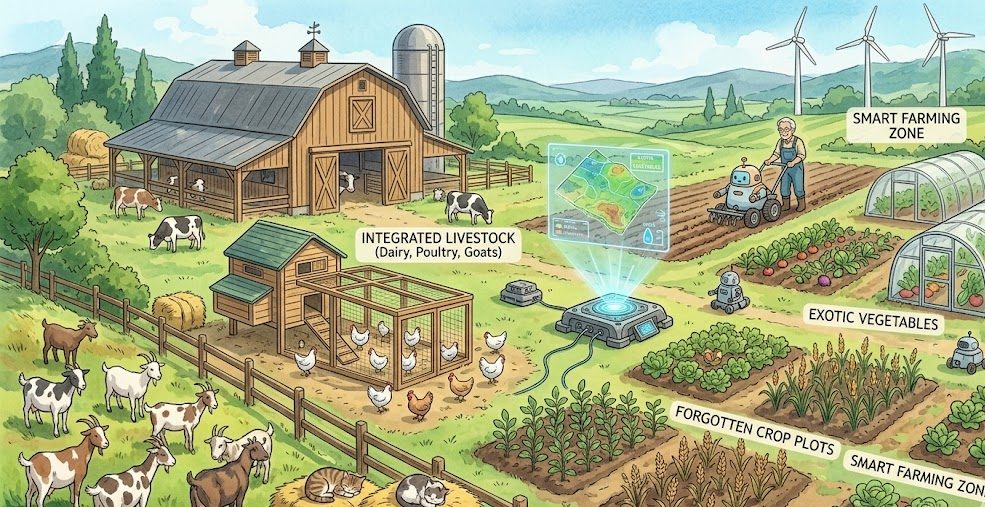
In a world increasingly focused on food security and sustainable living, the art of farming has evolved from a traditional livelihood into a precise, scientific endeavor. Whether you are a small-scale gardener or an aspiring commercial farmer, understanding the fundamentals of seed germination, soil health, and crop management is the key to a bountiful harvest.
This guide explores the essential stages of real-world crop cultivation—from selecting the right seeds to ensuring a sustainable yield.
1. The Foundation: Soil Preparation and Nutrient Management
Before a single seed touches the ground, the “factory” (the soil) must be prepared. Soil is not just dirt; it is a living ecosystem.
- Soil Testing: Always start by testing your soil’s pH and nutrient levels. Different crops thrive in different environments. Adding organic compost or well-rotted manure improves soil structure, aeration, and moisture retention.
- Tillage vs. No-Till: While traditional tillage helps remove weeds and aerate the ground, modern sustainable practices often favor “no-till” methods. This preserves soil structure, prevents erosion, and keeps beneficial microbes—the silent workers of your farm—thriving.
- Organic Amendments: Incorporating cover crops during the off-season, such as clover or vetch, naturally fixes nitrogen into the soil, reducing the need for synthetic fertilizers.
2. The Science of Seeds: Selection and Germination
The quality of your harvest is directly proportional to the quality of your seeds.
- Heirloom vs. Hybrid: Heirloom seeds allow for seed saving, preserving biodiversity and adapting crops to your specific microclimate over generations. Hybrid seeds (F1) are bred for high yield and uniformity but cannot be reliably saved for the next season.
- The Germination Process: Seeds require three main things to sprout: moisture, warmth, and oxygen.
- Seed Scarification: Some seeds have hard shells that require light scratching to allow water penetration.
- Depth Matters: A general rule of thumb is to plant a seed at a depth two to three times its diameter. Planting too deep deprives the embryo of the energy needed to push through the soil surface.
3. Precision Planting and Spacing
Crowding your crops is a recipe for disaster. Proper spacing ensures that every plant has access to sunlight, air circulation, and underground resources.
- Sunlight Exposure: Most vegetable crops require 6–8 hours of direct sunlight. Orient your rows along a north-south axis to ensure equal distribution of light throughout the day.
- Watering Techniques: Drip irrigation is the gold standard for modern farming. By delivering water directly to the root zone, you minimize evaporation and prevent foliar diseases caused by wet leaves. Early morning is the optimal time to water, allowing the plant to hydrate before the peak heat of the day.
4. Integrated Pest and Disease Management (IPM)
Chemical warfare on your crops should be the last resort, not the first. IPM focuses on prevention.
- Crop Rotation: Never plant the same family of crops in the same spot for two consecutive seasons. Rotation breaks the life cycles of pests and prevents soil-borne diseases from building up.
- Companion Planting: Utilizing nature’s architecture, such as planting marigolds near tomatoes to deter nematodes or basil to repel thrips, creates a self-balancing ecosystem.
- Monitoring: Regular scouting is mandatory. Catching an aphid infestation early allows for simple interventions, like using neem oil or insecticidal soap, before they destroy the crop.
5. Harvesting and Post-Harvest Handling
The work doesn’t stop at maturity. Proper harvesting techniques extend the shelf life and nutritional value of your produce.
- Timing: Harvest during the coolest part of the day, preferably the early morning. Plants are fully hydrated at this time, which minimizes wilting.
- Handling: Treat your produce with care. Bruising during harvest accelerates decay. Use sharp tools to make clean cuts rather than pulling or snapping plants by hand, which can damage the root system or the main stem.
- Curing and Storage: For root vegetables like potatoes or onions, a “curing” period in a shaded, well-ventilated area is necessary to harden the skin and prevent rot during long-term storage.
6. Embracing Sustainability for the Future
Real farming is a long-term commitment. By focusing on organic practices and sustainable water usage, you aren’t just growing a crop; you are building a legacy.
When you treat the land with respect—minimizing synthetic inputs and focusing on soil microbiology—the land returns the favor with higher yields, better flavor, and superior nutritional profiles. As you begin your journey of planting and growing, remember that every successful farm was built on patience, observation, and a deep connection to the cycle of nature.