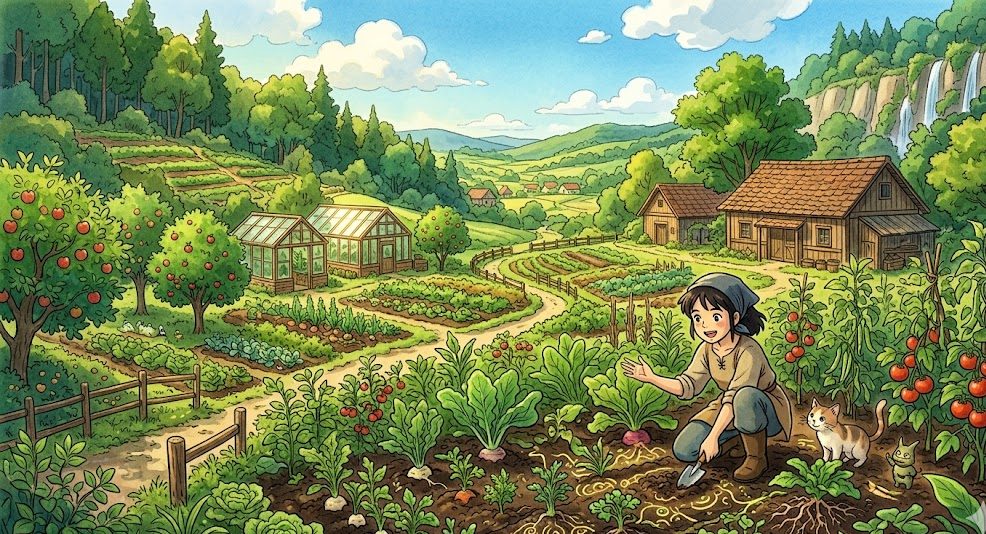
The global agricultural landscape is standing at a critical crossroads. As traditional industrial methods face the limits of chemical dependency and soil depletion, a new movement is emerging—one that combines AgriTech & Innovation with deep-rooted biological wisdom. For the modern farmer and the digital entrepreneur, the goal is no longer just about volume; it is about “Smart Farming” that ensures long-term profitability and ecological health.
The Philosophy of Hidden Farming
“Hidden Farming” isn’t about magic; it is about the mastery of the invisible biological processes that dictate crop success. It represents a shift from a “control” mindset to a “collaborative” one, where the farmer works with nature’s existing systems.
- Healing the Soil Naturally: The secret to a high-yield harvest is not in a bag of fertilizer, but in the health of the soil microbiome. By focusing on natural restoration techniques, you create a self-sustaining engine that feeds your plants more efficiently than any synthetic substitute.
- Micro Farming for Maximum Impact: Large acreage is no longer a requirement for high revenue. “Micro Farming” focuses on high-density, high-value production that can be managed with precision and minimal waste.
- The Survival Mindset: Modern agriculture is increasingly adopting “Survival Farming” techniques. These are resilient, low-input methods designed to thrive even under harsh conditions, ensuring food security and business stability.
Natural Protection: The Invisible Shield
A major secret to organic growth is moving away from the “spray and pray” mentality. Instead, “Natural Protection” involves building a farm ecosystem so balanced that pests and diseases struggle to take hold.
- Biologically Driven Weed Control: Rather than using harsh chemicals, smart farmers use cover crops and strategic mulching to suppress weeds while simultaneously enriching the soil.
- Climate & Soil Management: Success depends on understanding the unique relationship between your local climate and soil composition. By selecting crops that are naturally adapted to your environment, you reduce the need for external interventions.
- Forgotten Crops Farming: Many “Forgotten Crops” are naturally resistant to local pests and drought. Reintroducing these varieties into your rotation can act as a natural insurance policy for your yields.
Leveraging AgriTech for Organic Success
While the principles are organic, the execution is high-tech. The “Farming Innovation Hub” of the future relies on AI and Smart Technology to bridge the gap between tradition and efficiency.
- Smart Crop Farming: Precision sensors can now track the exact nutrient needs of a plant, allowing for “Smart Farming” decisions that prevent over-saturation and save resources.
- Water Saving Farming: In an era of scarcity, every drop counts. Automated irrigation systems ensure that water is delivered exactly when and where it is needed, reducing waste by up to 50%.
- The Digital Wealth Blueprint: For digital entrepreneurs, these innovations offer a new frontier for “Passive Income”. Automated farm management systems and agri-tech applications are creating new ways to earn while supporting sustainable growth.
Diversification: Building a Resilient Business
A sustainable farm is never a monoculture. To achieve the best yields and financial stability, one must look at the farm as an integrated system.
1. High-Value Cash Crops
Focusing on “Exotic Vegetable Farming” or “Herbal & Medicinal Plants” allows farmers to command higher prices in the market. Specialized methods like “Hydroponics” and “Mushroom Farming” allow for year-round production in controlled environments.
2. The Livestock & Dairy Hub
Integrating animals into the farm cycle is a classic “Hidden Farming” secret. “Poultry Farming” and “Dairy Farming” provide organic manure for the fields, while the crops provide feed for the animals. This circular economy reduces costs and improves “Animal Health” naturally.
3. Fish & Aqua Farming
Aquaculture is the latest addition to the “Sustainable Farming” toolkit. Nutrient-rich water from fish ponds can be used to irrigate crops, creating a symbiotic relationship that boosts growth across the entire farm.
Conclusion: Embracing the Innovation Hub
The future of organic growth is not a return to the past; it is a leap into a smarter, more integrated future. By mastering “Hidden Farming” secrets and embracing “AgriTech & Innovation,” we can produce better yields that are as profitable as they are sustainable.
Whether you are a seasoned cultivator or an entrepreneur looking for “Freelancing & Remote Jobs” in the booming agri-tech sector, the opportunities for growth are limitless. Start building your own “Farming Innovation Hub” today and secure a harvest that is built to last.