➡️ INTRODUCTION
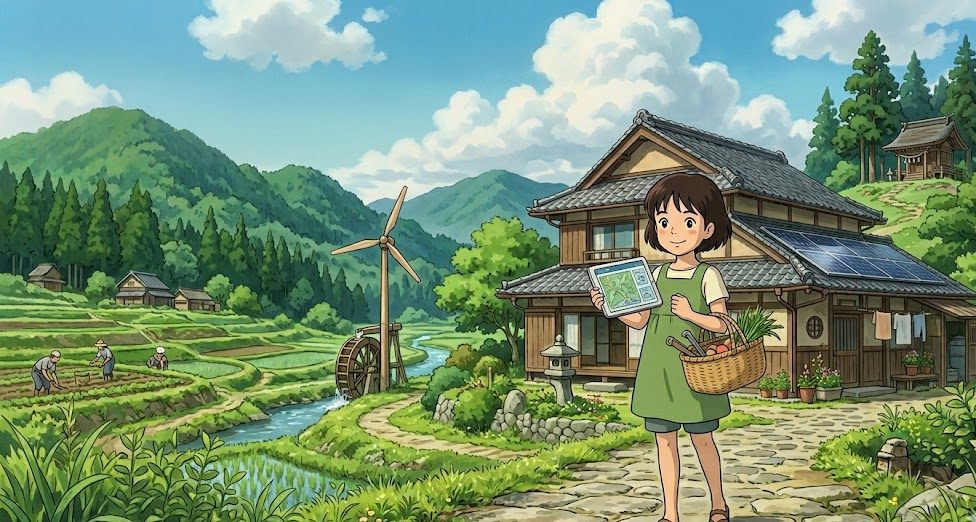
→ In earlier times, farming depended completely on natural conditions such as rainfall, sunlight, and soil fertility. Farmers observed their environment carefully and adjusted their methods accordingly. However, as challenges like climate change, unpredictable weather, and land shortages increased, traditional open-field farming became less reliable. Hidden farming is a modern solution that builds on the same principle of control and observation, but in a more advanced way. It allows farmers to create a controlled environment where crops can grow without depending entirely on external conditions. This method matters because it improves consistency, reduces risks, and helps farmers produce better quality crops throughout the year.
➡️ Key Points / Benefits
→ Provides stable and controlled growing conditions
→ Reduces dependency on weather and seasons
→ Improves crop quality and uniform growth
→ Saves water and reduces resource wastage
→ Protects crops from pests and external damage
→ Supports year-round farming and higher income
🔵 1️⃣ → Understanding Hidden Farming as Controlled Growth
Hidden farming is based on the idea of controlling the environment instead of depending on nature alone. Farmers manage temperature, humidity, light, and nutrients to create ideal conditions for crops.
Practical understanding includes:
- Growing crops inside greenhouses or indoor setups
- Using controlled irrigation systems
- Monitoring plant growth regularly
This method ensures that crops receive exactly what they need, reducing stress and improving overall productivity.
🔵 2️⃣ → Why Consistency Is More Important Than Speed
In traditional farming, crops often suffer due to sudden weather changes. Hidden farming focuses on maintaining consistency rather than rushing growth.
Good practices include:
- Maintaining stable temperature levels
- Providing regular water supply
- Avoiding sudden environmental changes
Consistency helps crops grow evenly and reduces the chances of disease or failure.
🔵 3️⃣ → Common Mistakes When Adopting Hidden Farming
Many farmers try hidden farming without proper planning, which leads to poor results.
Common mistakes include:
- Ignoring environmental control
- Overusing water or nutrients
- Lack of monitoring
Without proper management, even modern systems can fail. Careful observation and balance are still necessary.
🔵 4️⃣ → How Hidden Farming Improves Efficiency and Sustainability
Hidden farming reduces resource wastage by providing only the required amount of water, nutrients, and light.
Balanced practices include:
- Using drip or automated irrigation
- Recycling water systems
- Monitoring plant health continuously
This leads to better yield with fewer resources, making farming more efficient and sustainable.
🔵 5️⃣ → Step-by-Step Guide to Start Hidden Farming
Farmers can start hidden farming with simple steps and gradually expand.
Step-by-step approach:
- Choose a suitable structure (greenhouse or indoor setup)
- Select crops that grow well in controlled environments
- Install proper irrigation and lighting systems
- Monitor growth and adjust conditions regularly
Do’s and Don’ts:
- Do start small and scale gradually
- Do maintain regular observation
- Don’t ignore environmental balance
- Don’t depend only on technology without monitoring
➡️ CONCLUSION
→ Hidden farming combines traditional observation with modern technology to create a reliable and efficient farming system. It reduces risks caused by weather and improves crop quality through controlled conditions. While it requires initial investment and careful management, the long-term benefits are significant. Farmers who adopt hidden farming can achieve stable production, better profits, and improved sustainability. By focusing on consistency and control, this method offers a strong solution for the future of agriculture.