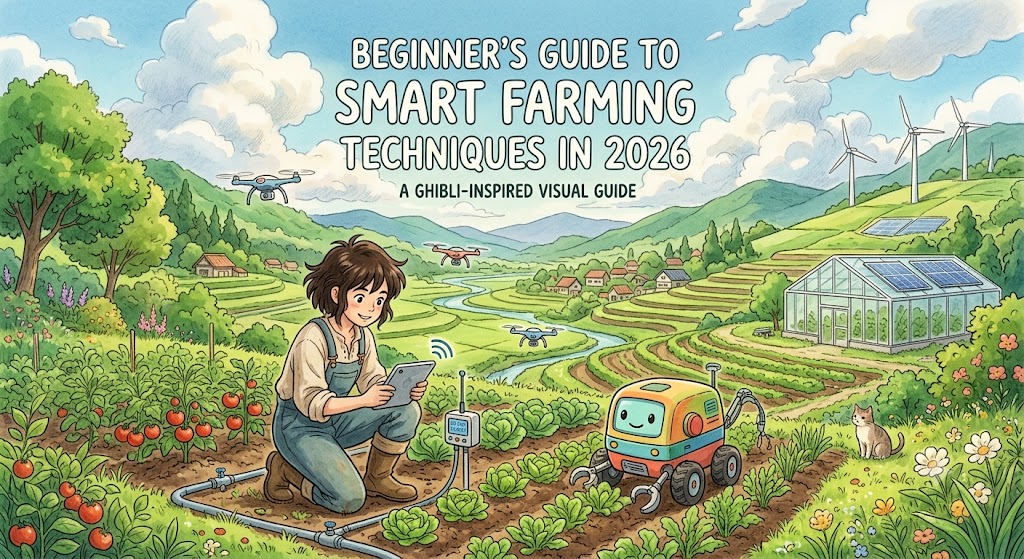
Smart farming is transforming modern agriculture by helping farmers make better decisions using technology and data. In 2026, advances in sensors, artificial intelligence (AI), drones, GPS-guided equipment, and mobile applications are making farming more efficient, productive, and sustainable. Whether you manage a small family farm or a large commercial operation, smart farming techniques can help reduce costs, improve crop health, and increase yields.
What Is Smart Farming?
Smart farming is the use of modern technologies to monitor crops, soil, weather, and farm operations. Instead of relying only on experience, farmers can use real-time information to make informed decisions about irrigation, fertilization, pest management, and harvesting.
The goal is to produce more food while using fewer resources such as water, fertilizers, and energy.
Why Smart Farming Matters in 2026
Agriculture faces many challenges, including changing weather patterns, rising production costs, labor shortages, and increasing food demand. Smart farming helps address these issues by improving efficiency and reducing waste.
Key benefits include:
- Better crop management
- Reduced water consumption
- Lower fertilizer costs
- Early pest and disease detection
- Improved farm profitability
- More sustainable farming practices
Key Smart Farming Technologies
Precision Agriculture
Precision agriculture uses GPS technology, field mapping, and sensors to apply fertilizers and water only where they are needed. This improves efficiency and reduces unnecessary input costs.
Soil Sensors
Soil sensors measure moisture, temperature, and nutrient levels. Farmers can monitor field conditions in real time and avoid overwatering or excessive fertilizer application.
Weather Monitoring
Modern weather stations provide accurate local forecasts, helping farmers schedule irrigation, planting, spraying, and harvesting more effectively.
Drones
Agricultural drones capture aerial images that reveal crop stress, pest infestations, nutrient deficiencies, and irrigation problems before they become serious.
Smart Irrigation
Automated irrigation systems use sensor data to deliver the right amount of water at the right time, conserving water while supporting healthy crop growth.
Using Data for Better Decisions
One of the biggest advantages of smart farming is access to reliable information. Farm management software allows growers to track:
- Crop performance
- Field activities
- Fertilizer applications
- Irrigation schedules
- Equipment maintenance
- Production costs
This data helps improve future planning and identify opportunities to increase efficiency.
Benefits for Small Farms
Smart farming is not only for large agricultural businesses. Many affordable tools are available for small farms, including:
- Mobile weather apps
- Low-cost soil moisture sensors
- GPS field mapping
- Digital farm record systems
- Solar-powered irrigation controllers
These solutions can improve productivity without requiring major investments.
Challenges to Consider
Although smart farming offers many advantages, farmers should also be aware of potential challenges:
- Initial equipment costs
- Internet connectivity in rural areas
- Learning new technologies
- Device maintenance
- Data management
Starting with one or two technologies and expanding gradually is often the best approach.
Best Practices for Beginners
If you are new to smart farming:
- Assess your farm’s biggest challenges.
- Begin with affordable technologies.
- Keep digital farm records.
- Monitor results regularly.
- Learn from local agricultural experts.
- Upgrade equipment as your needs grow.
The Future of Smart Farming
Emerging technologies such as AI-powered crop analysis, autonomous tractors, robotic weed control, and advanced satellite monitoring are expected to become even more accessible. Farmers who adopt practical digital tools today will be better prepared for the future of agriculture.
Conclusion
Smart farming is no longer a concept limited to large commercial farms. In 2026, affordable digital tools are helping farmers of all sizes improve productivity while using natural resources more efficiently. By combining modern technology with good farming practices, growers can increase yields, reduce costs, and build a more sustainable agricultural business for the years ahead.
Frequently Asked Questions
1. What is smart farming?
Smart farming uses technology and data to improve agricultural productivity and resource management.
2. Is smart farming suitable for small farms?
Yes. Many affordable tools are available that can help small farms improve efficiency.
3. What are the main benefits of smart farming?
Higher productivity, lower costs, better resource management, and improved crop monitoring.
4. Do farmers need expensive equipment to start?
No. Many farmers begin with simple mobile apps, soil sensors, or weather monitoring tools before investing in advanced equipment.
5. Will smart farming replace traditional farming?
No. Smart farming enhances traditional knowledge by providing better information and decision-making support rather than replacing farming experience.