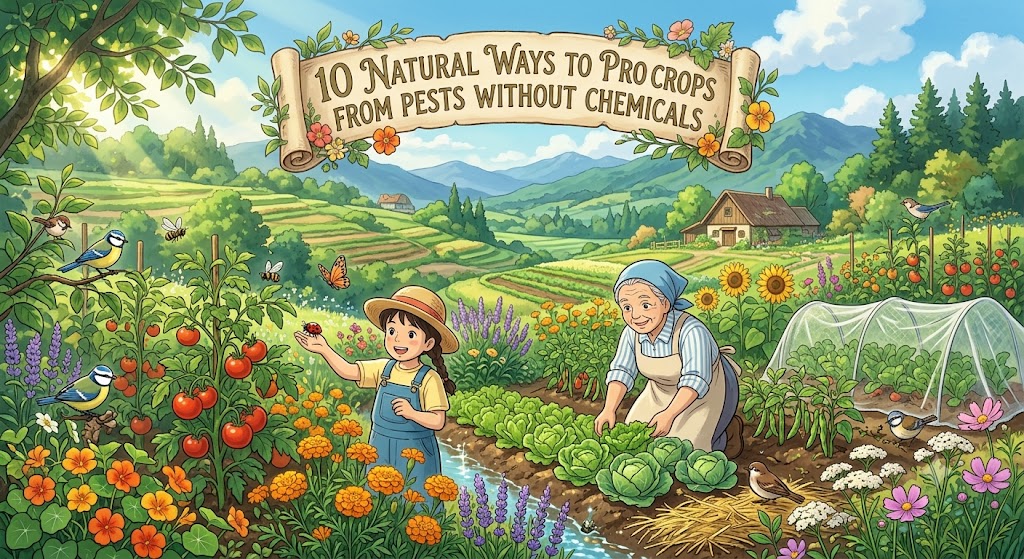
Safe, simple, and sustainable pest-control methods for healthier farming
Healthy crops are the foundation of successful farming, but pests can quickly turn a promising harvest into a disappointing one. Insects, caterpillars, mites, beetles, and other pests attack crops every year, causing significant losses for farmers and gardeners alike. While chemical pesticides are commonly used to fight these problems, many growers are looking for safer and more sustainable alternatives.
Natural pest control methods help protect crops while preserving soil health, beneficial insects, and the environment. They also reduce the risk of chemical residues on food and can save money over time. The good news is that many effective pest-control techniques require little more than planning, observation, and simple farming practices.
Here are ten natural ways to protect your crops from pests without relying on chemicals.
1. Plant Pest-Repelling Crops
Some plants naturally discourage insects because of their strong scent or natural compounds. Marigolds, basil, mint, garlic, onions, rosemary, and lemongrass are popular examples. When planted around vegetables and fruits, these plants can help keep certain pests away.
Marigolds are especially useful because they are believed to deter several common garden pests. Growing a variety of pest-repelling plants also increases biodiversity, making it harder for pests to dominate the area.
2. Use Companion Planting
Companion planting involves growing certain crops together so they can benefit one another. Some plant combinations help reduce pest attacks naturally.
For example, basil is often planted near tomatoes because it may help repel insects that target tomato plants. Onions and garlic can be grown alongside carrots to help reduce pest pressure. By mixing crops rather than planting large areas of a single crop, farmers can make it more difficult for pests to spread quickly.
3. Encourage Beneficial Insects
Not all insects are harmful. Many insects actually help control pest populations. Ladybugs, lacewings, spiders, and praying mantises feed on common crop pests such as aphids and caterpillars.
To attract beneficial insects, grow flowering plants around your crops. Sunflowers, lavender, dill, fennel, and coriander provide food and shelter for these natural predators. Encouraging helpful insects creates a balanced ecosystem where pests are less likely to become a serious problem.
4. Keep Soil Healthy
Healthy soil leads to healthy plants, and healthy plants are naturally more resistant to pests and diseases. Poor soil conditions can weaken crops, making them more attractive to insects.
Adding compost, well-rotted manure, and organic matter improves soil structure and nutrient availability. Healthy soil also supports beneficial microorganisms that contribute to stronger root systems and improved plant growth. Investing in soil health is one of the most effective long-term pest management strategies.
5. Practice Crop Rotation
Growing the same crop in the same location year after year can encourage pest populations to build up in the soil. Many insects and diseases survive between growing seasons and return when their preferred crop is planted again.
Crop rotation helps break this cycle. By planting different crop families in a particular area each season, farmers can reduce the likelihood of recurring pest infestations. Crop rotation also improves soil fertility and overall farm productivity.
6. Apply Neem-Based Solutions
Neem has been used in agriculture for generations as a natural pest management tool. Products derived from neem seeds contain compounds that interfere with the feeding and reproduction of many insect species.
Neem-based sprays can help manage aphids, whiteflies, mites, and several other common pests. Unlike many chemical pesticides, neem products generally have a lower impact on beneficial insects when used correctly. Always follow product instructions and apply during cooler parts of the day for the best results.
7. Remove Weeds Regularly
Weeds do more than compete with crops for water and nutrients. They can also provide shelter and breeding grounds for pests.
Keeping fields and gardens free from excessive weeds reduces hiding places for harmful insects. Regular weeding improves air circulation around plants and makes it easier to spot pest problems before they become severe. Mulching can also help suppress weed growth while improving soil moisture retention.
8. Install Physical Barriers
Physical barriers offer a simple but highly effective way to protect crops. Fine mesh nets, row covers, plant collars, and fencing can prevent pests from reaching plants in the first place.
Row covers are particularly useful for protecting young seedlings from insects. Netting can help prevent birds from damaging fruits and vegetables. Because physical barriers do not involve chemicals, they are an environmentally friendly option suitable for both small gardens and larger farms.
9. Water Crops Properly
Improper watering can make plants more vulnerable to pests and diseases. Overwatered plants may develop weak roots and fungal problems, while underwatered plants become stressed and easier targets for insects.
Providing the correct amount of water helps maintain strong, healthy crops. Drip irrigation systems are often a good choice because they deliver water directly to the root zone while keeping foliage dry. Healthy, well-watered plants are generally better equipped to withstand pest pressure.
10. Monitor Crops Frequently
Regular inspection is one of the simplest and most effective pest management practices. Small pest problems are much easier to handle than large infestations.
Walk through your fields or garden regularly and examine leaves, stems, flowers, and fruits. Look for signs such as holes in leaves, discoloration, insect eggs, or unusual plant damage. Early detection allows you to take action before pests spread throughout the crop.
Additional Benefits of Natural Pest Control
Natural pest control methods provide benefits beyond simply reducing insect damage. They help preserve pollinators such as bees and butterflies, which are essential for many crops. They also protect soil organisms that contribute to healthy plant growth.
Using fewer chemicals can improve environmental sustainability by reducing contamination of water sources and surrounding ecosystems. For many farmers, natural methods also support consumer demand for more environmentally responsible food production practices.
Common Mistakes to Avoid
Even when using natural pest control methods, certain mistakes can reduce effectiveness. Waiting too long to address pest issues is one of the most common problems. Farmers should also avoid overwatering, neglecting weeds, and planting the same crops repeatedly in one location.
Another mistake is removing all insects without understanding their role. Some insects are valuable allies in pest management and should be encouraged rather than eliminated.
Conclusion
Protecting crops from pests without chemicals is entirely possible when farmers combine multiple natural strategies. Companion planting, beneficial insects, crop rotation, healthy soil management, neem-based solutions, and regular monitoring all work together to create a stronger and more resilient growing environment.
Natural pest control is not about finding a single solution. It is about building a balanced farming system where healthy plants can thrive and pest populations remain under control. By adopting these methods, farmers and gardeners can protect their crops, improve sustainability, and support long-term agricultural success.
FAQs
➤ Are natural pest control methods effective?
Yes. When used consistently, natural methods can significantly reduce pest problems and improve crop health.
➤ What is the best natural pest repellent for crops?
Neem-based products, companion planting, and beneficial insects are among the most effective natural options.
➤ How often should crops be checked for pests?
Crops should be inspected at least two to three times per week, especially during warm and humid conditions.
➤ Can natural pest control save money?
In many cases, yes. Reducing reliance on chemical pesticides can lower costs over time and improve soil health.
➤ Why is crop rotation important?
Crop rotation helps break pest life cycles, reduces disease pressure, and improves soil fertility.