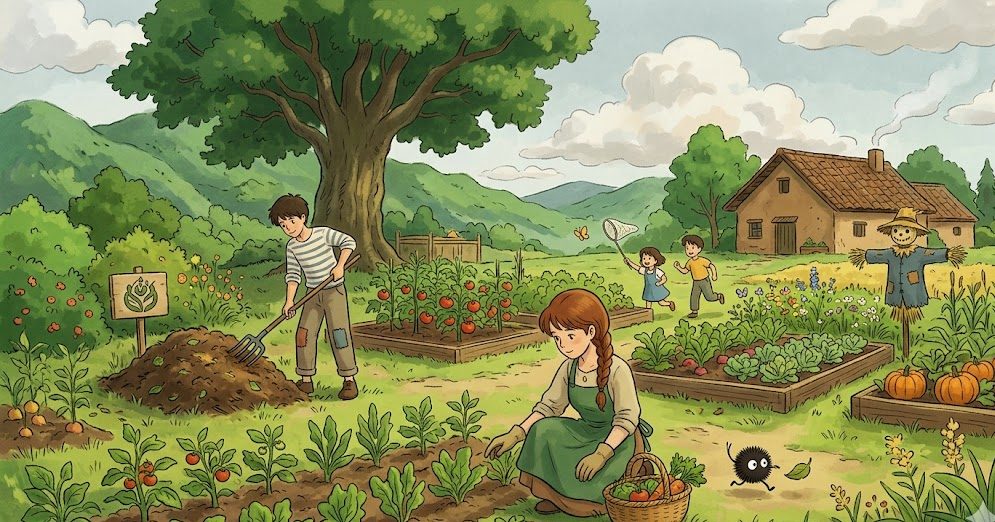
The modern agricultural landscape is facing a dual crisis. On one hand, global food demand is soaring as the population grows. On the other hand, decades of reliance on heavy chemical pesticides and synthetic fertilizers have degraded soil health, polluted water systems, and triggered pest resistance.
To safeguard our food security and the planet, agriculture is undergoing a green revolution. The focus has shifted toward Eco-Friendly Solutions, Sustainable Defense, and Organic Crop Protection. This shift isn’t just about going back to old ways; it is about combining traditional wisdom with cutting-edge science to protect crops without destroying the ecosystem.
1. The Core of Eco-Friendly Solutions in Agriculture
Eco-friendly agriculture focuses on working with nature rather than trying to dominate it. Traditional farming methods often treat the farm as an isolated factory, but sustainable agriculture views the farm as a living, breathing ecosystem.
Regenerative Soil Management
Healthy crops start with healthy soil. Chemical fertilizers feed the plant directly but leave the soil barren over time. Eco-friendly solutions prioritize the soil microbiome—the billions of beneficial bacteria and fungi that naturally unlock nutrients for plants.
- Cover Cropping: Planting crops like clover or rye during the off-season prevents soil erosion, fixes atmospheric nitrogen, and suppresses weeds naturally.
- Composting and Biochar: Introducing organic matter back into the soil improves its structure, increases water retention, and creates a thriving environment for beneficial organisms.
Precision Resource Management
Sustainability also means conserving vital resources like water and energy. Smart drip-irrigation systems, powered by renewable energy sources like solar panels, deliver water directly to plant roots, cutting down water waste by up to 50% and preventing nutrient runoff into local streams.
2. Sustainable Defense: Moving Beyond Chemical Warfare
When pests attack, the traditional response has been to spray broad-spectrum chemical pesticides. While effective in the short term, this approach kills beneficial insects (like bees and ladybugs) and leads to toxic chemical buildup in our food chain. Sustainable defense offers a smarter, targeted alternative.
Integrated Pest Management (IPM)
IPM is a holistic approach to pest control that uses a combination of techniques to keep pest populations below harmful levels, rather than attempting to wipe them out completely. It relies on a multi-tiered defense strategy:
- Cultural Controls: Rotating crops annually so pests cannot establish permanent populations in the soil.
- Mechanical Controls: Using physical barriers, traps, or insect netting to keep pests away from high-value crops.
- Biological Controls: Introducing natural predators into the environment to do the work for you.
Nature’s Own Soldiers
One of the most elegant forms of sustainable defense is using beneficial insects. For example, releasing ladybugs or lacewings into a greenhouse can completely eliminate an aphid infestation without a single drop of chemicals. Similarly, installing owl boxes near fields provides a natural, highly effective defense against rodents.
3. Next-Gen Organic Crop Protection
Organic crop protection has evolved far beyond basic home remedies. Today, advanced bio-technologies are allowing farmers to protect large-scale crops using purely organic substances that leave zero toxic residues.
Biopesticides: Power from Plants and Microbes
Biopesticides are naturally occurring substances that control pests through safe, non-toxic mechanisms. Unlike synthetic chemicals, they break down quickly in the environment, reducing the risk of environmental pollution.
- Microbial Pesticides: These consist of microorganisms (like bacteria, fungi, or viruses) that specifically target certain pests. The most famous is Bacillus thuringiensis (Bt), a naturally occurring soil bacterium that produces proteins toxic only to specific leaf-eating caterpillars, leaving birds, humans, and bees completely safe.
- Botanical Extracts: Neem oil, garlic extracts, and essential oils contain natural defense compounds that plants evolved to protect themselves. When sprayed on crops, they act as powerful deterrents to destructive insects.
Pheromone Mating Disruption
An incredibly clever, high-tech organic technique involves the use of synthetic insect pheromones. By dispersing the mating scent of a specific pest across a field, farmers confuse the male insects, preventing them from finding females. This stops the reproductive cycle completely, drastically reducing pest populations without using any toxic chemicals.
4. The Triple Win: Benefits of Organic & Sustainable Practices
Switching to organic crop protection and sustainable defense mechanisms creates a ripple effect of benefits that extend far beyond the borders of the farm.
| Dimension | Chemical-Heavy Farming | Sustainable & Organic Farming |
|---|---|---|
| Soil Health | Monoculture degrades soil quality over time. | Builds organic matter and improves long-term fertility. |
| Biodiversity | Kills pollinators and disrupts local wildlife. | Supports bees, birds, and beneficial predatory insects. |
| Consumer Health | Risk of chemical residues on harvested produce. | Pure, clean food free from toxic synthetic residues. |
| Climate Impact | High carbon footprint via synthetic chemical production. | Acts as a carbon sink, absorbing CO2 back into the soil. |
Export to Sheets
Economic Resilience for Farmers
While the transition to organic practices requires learning new techniques, it protects farmers from the volatile price spikes of chemical fertilizers and synthetic inputs. Over time, organic fields require fewer inputs as the natural ecosystem balances itself out, leading to higher profitability and premium prices in the consumer market.
5. The Road Ahead: Overcoming Challenges
While the benefits are clear, widespread adoption of sustainable crop protection requires overcoming a few hurdles:
- The Knowledge Gap: Sustainable defense requires a deep understanding of biology, insect life cycles, and soil chemistry. Farmers need access to education and training to manage these systems effectively.
- Slower Action Times: Biopesticides and biological controls do not work overnight. Unlike chemical sprays that kill insects instantly, organic solutions take a few days to establish their defense, requiring patience and careful monitoring from the farmer.
- Policy and Scaling: Governments and agricultural tech companies need to invest more in bio-pesticide research to make these eco-friendly solutions as affordable and scalable as traditional chemical inputs.
Conclusion: Cultivating a Greener Tomorrow
The future of agriculture relies heavily on our ability to shift away from chemical reliance and embrace eco-friendly solutions, sustainable defense, and organic crop protection. By leveraging the balance of nature alongside modern bio-technologies, we can create an agricultural system that not only feeds the world but heals the planet at the same time.
For farmers, consumers, and the environment, choosing sustainable protection is the only viable path forward toward a resilient, healthy, and green tomorrow.