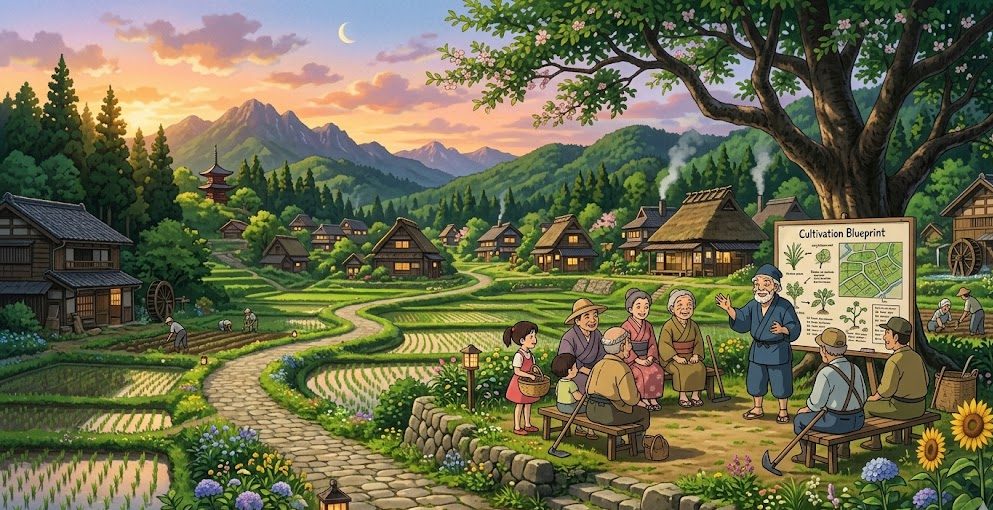
Introduction: The Evolution of Agronomy Training
In the year 2026, the global agricultural sector is undergoing a massive transformation. With the rise of smart farming, climate-smart agriculture, and high-yield organic methods, the gap between traditional farming and modern agro-entrepreneurship has widened. To bridge this gap, structured knowledge transfer is essential.
A standard, unorganized lecture is no longer enough for modern farmers, agricultural students, or rural entrepreneurs. What the industry needs is a highly structured, scalable training layout. This article provides a comprehensive Cultivation Blueprint: Step-by-Step Training Session Plan designed to help agricultural consultants, educators, and farm managers deliver impactful, practical, and highly productive training sessions that maximize crop yields and farm efficiency.
Phase 1: Pre-Session Preparation & Diagnostics (The Foundation)
Before a single seed is sown or a single slide is shown, a successful training session requires meticulous background preparation.
1. Needs Assessment and Agro-Climatic Mapping
Every region has different soil types, water availability, and climate conditions. A trainer must map out the specific agro-climatic zone of the trainees. Training farmers in an arid zone requires a completely different blueprint than training those in a heavy-rainfall tropical zone.
2. Resource Inventory Verification
The training room or demo-farm must be equipped with the exact tools discussed in the blueprint. This includes soil testing kits, organic inputs, precision farming sensors, and micro-irrigation components. Visual and hands-on access to these tools increases knowledge retention by over 70%.
Phase 2: Session Execution Layout (Step-by-Step Blueprint)
A standard training session is most effective when broken down into a 4-part modular structure over a designated timeframe (e.g., a full-day intensive workshop).
+-----------------------------------------------------------------------+
|                       THE CULTIVATION BLUEPRINT                       |
+-----------------------------------+-----------------------------------+
| Module 1: Soil & Site Selection   | Module 2: Propagation & Planting  |
| - pH, Organic Carbon, Tillage     | - Seed Treatment, Spacing, Depth  |
+-----------------------------------+-----------------------------------+
| Module 3: Nutrition & Irrigation  | Module 4: Integrated Pest Mgmt    |
| - Fertigation, Micro-irrigation   | - Biological Controls, Scouting   |
+-----------------------------------+-----------------------------------+
Module 1: Soil Health, Site Selection, and Land Preparation
- Objective: Teach trainees how to evaluate their primary asset—the soil.
- Step-by-Step Action:
- Soil Testing Demystified: Walk trainees through the process of collecting proper soil samples. Teach them how to read a soil health card, focusing on pH levels, electrical conductivity (EC), and organic carbon percentages.
- Tillage and Bed Preparation: Demonstrate the difference between deep tillage and minimal-till systems. Explain how raised-bed cultivation improves root aeration and prevents waterlogging.
- Basal Dosing: Train them on incorporating well-decomposed farmyard manure (FYM) or vermicompost during the final land preparation phase to build a rich microbial base.
Module 2: Crop Selection, Propagation, and Planting Precision
- Objective: Ensure maximum seed germination and optimal plant population density.
- Step-by-Step Action:
- Varietal Selection: Teach trainees how to select climate-resilient, market-driven crop varieties rather than relying on outdated traditional seeds.
- Seed Treatment (The Shield): Conduct a live demonstration of treating seeds with biological agents like Trichoderma or Rhizobium cultures to prevent seed-borne diseases.
- Sowing Geometry: Use a demonstration plot to show the exact row-to-row and plant-to-plant spacing required for the selected crop. Explain how over-crowding leads to nutrient competition and pest outbreaks.
Module 3: Advanced Nutrition and Water Management (The Growth Engine)
- Objective: Achieve maximum Feed Conversion/Nutrient Efficiency and water conservation.
- Step-by-Step Action:
- Micro-Irrigation Setup: Showcase the installation and maintenance of drip and sprinkler irrigation systems. Explain how shifting from flood irrigation to drip systems saves up to 60% water while increasing yield quality.
- Spoon-Feeding Nutrition (Fertigation): Train the audience on how to dissolve water-soluble fertilizers into the irrigation system. This section must cover critical growth stages (vegetative, flowering, and fruiting) and the specific N-P-K ratios required at each stage.
- Micronutrient Deficiency Identification: Use high-definition visual charts to show symptoms of Zinc, Boron, and Iron deficiencies so farmers can correct them before irreversible damage occurs.
Module 4: Integrated Pest and Disease Management (IPM)
- Objective: Protect the crop using economically viable and environmentally safe protocols.
- Step-by-Step Action:
- Field Scouting Tactics: Train participants to walk through fields in a specific pattern (Z-shape or W-shape) weekly to catch early signs of pest infestations.
- Pheromone and Sticky Traps: Demonstrate how installing yellow/blue sticky traps and pheromone traps can naturally monitor and control flying insects without chemical sprays.
- Biopesticides vs. Chemical Rotation: Teach the correct application methods for neem-based formulations and biological control agents. Emphasize that chemical pesticides should only be a last resort, using precise dosages to prevent pest resistance.
Phase 3: Practical Hands-On Practicum & Live Field Simulation
Theory without practice is quickly forgotten. The afternoon session of this blueprint must transition entirely to the field.
- Group Formations: Divide the trainees into small batches of 5 to 7 individuals.
- The Troubleshooting Challenge: Assign each group a specific “problem area” in the demo plot (e.g., a patch showing nitrogen deficiency or a simulated aphid attack). Let them diagnose the issue using the principles learned in the morning modules and present their action plan.
- Calibration Exercises: Have trainees physically calibrate a backpack sprayer or adjust a drip lateral valve. Incorrect calibration is a leading cause of chemical waste and crop damage globally.
Phase 4: Post-Training Evaluation, Digital Feedback, and Long-Term Support
A blueprint is only successful if it delivers measurable results long after the session concludes.
- The Post-Session Quiz: Conduct a quick, interactive multiple-choice quiz using digital tools or simple feedback papers to measure knowledge gain.
- The Digital Extension Ecosystem: Create a dedicated WhatsApp group, Telegram channel, or community dashboard for the batch. Farmers can post pictures of their crops down the line, and trainers can provide real-time solutions.
- Follow-up Field Audits: Schedule a virtual or physical audit 30 to 45 days post-training to see how effectively the blueprint is being implemented on the participants’ actual farms.
Conclusion: Transforming Agriculture Through Structured Education
The Cultivation Blueprint is not a static document; it is a dynamic, evolving framework for modern agricultural success. By breaking down complex agronomic science into clear, step-by-step practical modules, we can transform traditional farming into a highly predictable, high-earning, and sustainable business venture. When farmers are trained with precision, the entire food supply chain stabilizes, ensuring rural prosperity and food security for the generations to come.