In the competitive world of agriculture, success isn’t just about hard work; it’s about timing. For an agri-entrepreneur, understanding the seasonal transition is the difference between a bumper harvest and a wasted investment. In 2026, climate-resilient planning and market-driven crop selection are the keys to high ROI (Return on Investment).
This comprehensive guide breaks down the Indian agricultural calendar into three primary seasons—Kharif, Rabi, and Zaid—providing a month-by-month blueprint to help you automate your success and maximize your AdSense revenue through high-value niche content.
1. The Kharif Season: The Monsoon Powerhouse (June – October)
The Kharif season begins with the onset of the Southwest monsoon. This is the most critical period for Indian agriculture, contributing nearly 55% of the total food grain production.
A. High-Value Kharif Crops
- Rice (Paddy): The staple of the season. Focus on premium varieties like Basmati for higher export value.
- Cotton: Known as “White Gold,” cotton requires high temperature and moderate rainfall, making it a high-revenue cash crop.
- Maize & Soybean: Essential for the poultry feed and oil industries, ensuring a steady market demand.
B. Strategic Management
In 2026, Kharif success depends on Monsoon Preparedness.
- Seed Treatment: Always use bio-stimulants to protect seeds from soil-borne diseases during heavy rains.
- Weed Control: Use “Live Mulching” or cover crops to prevent weed growth without the use of heavy chemicals.
2. The Rabi Season: The Winter Wealth (October – March)
As the monsoon retreats, the Rabi season takes over. This season relies heavily on irrigation and cooler temperatures, offering a more controlled environment for high-quality produce.
A. Dominant Rabi Crops
- Wheat: The backbone of the winter season. 2026 has seen a surge in demand for organic and high-protein wheat varieties.
- Mustard & Sunflower: Oilseeds are currently high-CPC keywords because of the global supply gap in edible oils.
- Pulses (Gram/Chickpeas): Essential for soil nitrogen fixation and high-market demand during the spring.
B. Precision Irrigation
Since Rabi crops don’t have monsoon support, Micro-Irrigation (Drip/Sprinkler) is mandatory. It reduces water wastage by 40% while ensuring every plant gets the exact amount of moisture needed for maximum yield.
3. The Zaid Season: The Summer Filler (March – June)
Often overlooked, the Zaid season is a short window between Rabi harvest and Kharif sowing. It is the most profitable “Hidden” window for farmers who want Instant Cash Flow.
A. Quick-Harvest Zaid Crops
- Watermelon & Muskmelon: High water content fruits that have massive demand during the peak summer months.
- Cucumber & Bitter Gourd: These short-duration vegetables mature in 60-70 days, allowing for a quick turnover.
- Fodder Crops: Growing green fodder like Jowar or Maize for dairy farming ensures livestock productivity during the dry months.
B. Maximizing Idle Land
The goal of Zaid farming is to never let the soil sit idle. By keeping the land covered with crops, you prevent soil erosion and maintain the microbial health of the field for the upcoming Kharif cycle.
4. Month-by-Month Farming Calendar 2026
| Month | Season Stage | Primary Action |
|---|---|---|
| January | Mid-Rabi | Wheat irrigation & Mustard pest monitoring. |
| February | Late-Rabi | Preparation for Zaid sowing; focus on organic fertilizers. |
| March | Rabi Harvest | Harvesting Wheat/Mustard; Sowing Watermelon & Cucumber. |
| April | Zaid Growth | Intensive irrigation; harvesting short-duration vegetables. |
| May | Pre-Kharif | Land preparation; soil testing; purchasing monsoon-ready seeds. |
| June | Kharif Sowing | Sowing Paddy, Cotton, and Soybean with the first rains. |
| July | Kharif Growth | Weed management and nutrient application (Jeevamrutha). |
| August | Vegetative Stage | Monitoring for monsoon-related pests and fungal infections. |
| September | Reproductive Stage | Focus on micronutrients to boost grain/fiber quality. |
| October | Kharif Harvest | Harvesting Paddy/Cotton; preparing soil for Rabi Wheat. |
| November | Rabi Sowing | Sowing Wheat, Gram, and Mustard; initial irrigation. |
| December | Early Rabi | Managing cold stress; focusing on crop establishment. |
Export to Sheets
5. Technology Integration in Seasonal Planning
In 2026, a “Smart Seasonal Plan” must include a digital layer:
- Agri-Tech Weather Apps: Use hyper-local weather forecasting to time your sowing and harvesting perfectly.
- Soil Health Sensors: Don’t guess the fertilizer needs; use sensors to apply precisely what the soil lacks.
- Market Price Trackers: Time your harvest to align with peak market prices to ensure maximum profit.
6. Boosting Revenue with AdSense Niche Content
If you are blogging about seasonal farming, use these High-CPC Strategies:
- Niche Focus: Don’t just write about “Farming.” Write about “Smart Irrigation for Rabi Wheat” or “High-Yield Zaid Crops for 2026.”
- Case Studies: Share real data and screenshots of yield improvements.
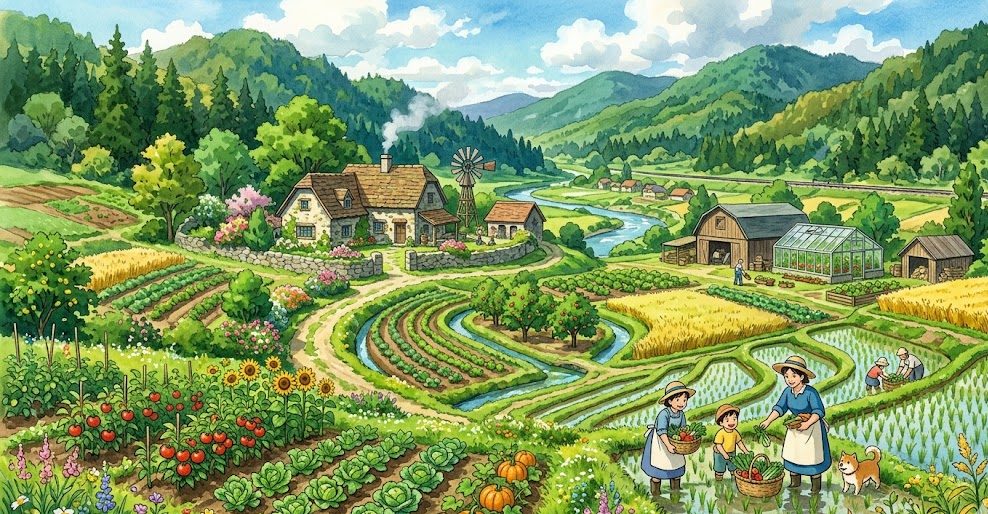
- Visual Appeal: Use Ghibli-style or high-definition anime-style illustrations to make complex seasonal cycles easy to understand for beginners.
Conclusion
A Seasonal Farming Plan is more than just a calendar; it is a strategic roadmap. By aligning your hardware (tractors, tools) and software (data, apps) with the natural cycles of Kharif, Rabi, and Zaid, you create a sustainable and high-revenue ecosystem.
Whether you are a physical farmer in the field or a digital entrepreneur in the agri-tech space, mastering the seasons is the ultimate “Hidden” advantage in 2026.
Pro-Tip for 2026:
Always keep 10% of your land for Exotic Variety Testing. For example, try a small patch of “Dragon Fruit” in the summer or “Purple Wheat” in the winter. These “Extra Agriculture Categories” often provide the highest margins and the most viral content for your digital platforms.
Note: For professional code templates to build your own “Seasonal Growth Tracker” app in Flutter, refer to our previous guide on Mobile App Monetization.