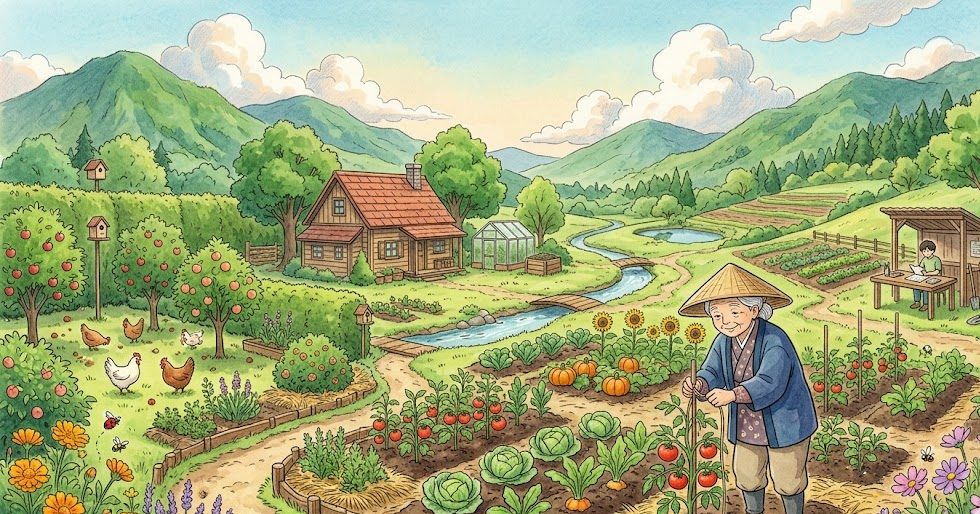
Achieving a high-yield harvest isn’t just about working harder; it’s about working smarter with the ecosystem you already have. In the modern agricultural landscape, “Practical Farming” bridges the gap between traditional wisdom and sustainable productivity. This guide dives deep into natural crop protection and the art of session planning to ensure your farm thrives season after season.
1. The Philosophy of Practical Farming
Practical farming focuses on ROI (Return on Investment)—not just in terms of money, but in soil health and labor. Instead of relying heavily on expensive synthetic inputs that can degrade land over time, we look at biological shortcuts. The goal is to create a self-sustaining loop where the farm protects itself.
2. Natural Protection: Your First Line of Defense
Chemical pesticides are often a “Band-Aid” solution. Natural protection, however, addresses the root cause of vulnerability.
A. Integrated Pest Management (IPM)
IPM is the gold standard for natural protection. It involves monitoring your crops and using biological controls before reaching for the sprayer.
- Beneficial Insects: Encourage ladybugs, lacewings, and predatory wasps. They are the “security guards” of your garden, keeping aphid and mite populations in check.
- Trap Crops: Plant “sacrificial” crops like marigolds or mustard near your main produce. Pests will often gravitate toward these, leaving your primary yield untouched.
B. Homemade Bio-Pesticides
You don’t need a lab to protect your plants. Many effective deterrents are sitting in your kitchen:
- Neem Oil: A versatile antifungal and insecticide that disrupts the life cycle of pests without harming bees.
- Garlic & Chili Spray: A potent repellent for soft-bodied insects.
- Baking Soda Solutions: Excellent for managing powdery mildew on vine crops.
C. Physical Barriers and Companion Planting
Sometimes, protection is about geography.
- Companion Planting: Planting basil near tomatoes doesn’t just improve flavor; the scent of basil masks the tomato plant from pests. Similarly, tall corn can provide a natural trellis and shade for delicate beans.
- Mulching: A thick layer of organic mulch (straw, leaves, or wood chips) prevents soil-borne diseases from splashing onto leaves during rain and suppresses weed growth naturally.
3. Mastering Session Planning
A successful harvest is won during the planning phase. Session planning—the act of mapping out what, when, and where you plant—is the backbone of high-yield farming.
Step 1: The Crop Rotation Matrix
Never plant the same family of crops in the same spot two years in a row. This breaks the cycle of soil-borne pathogens and prevents nutrient exhaustion.
- Year 1: Heavy Feeders (Corn, Broccoli)
- Year 2: Givers/Legumes (Beans, Peas – these add nitrogen back to the soil)
- Year 3: Light Feeders (Root vegetables like carrots or onions)
Step 2: Succession Planting
To avoid the “feast or famine” cycle, use succession planning. Instead of planting 50 cabbages at once, plant 10 every two weeks. This ensures a steady stream of income and food, and it reduces the risk of losing your entire investment to a single weather event or pest outbreak.
Step 3: Timing and the Lunar/Solar Calendar
While modern farming uses digital sensors, practical farmers still keep an eye on the seasons.
- Early Season: Focus on soil preparation and cold-hardy greens.
- Peak Season: Focus on water management and pest monitoring.
- Late Season: Focus on cover cropping (like clover or rye) to “put the soil to bed” and prevent erosion during winter.
4. Soil Health: The Ultimate Natural Shield
A healthy plant is like a person with a strong immune system; it can fight off minor infections and infestations on its own.
- Composting: Think of compost as “black gold.” It improves soil structure, water retention, and microbial life.
- No-Till Practices: Avoiding deep plowing preserves the delicate fungal networks (mycorrhizae) that help roots absorb nutrients and water more efficiently.
5. Leveraging Technology in Practical Ways
“Practical” doesn’t mean “anti-tech.” Use simple tools to boost your planning:
- Weather Apps: Hyper-local forecasting helps you time your natural sprays so they don’t wash away in a sudden downpour.
- Farm Journals: Whether digital or paper, tracking your sessions—what worked, what failed—is the most valuable data you will ever own.
Conclusion: The Long-Term Yield
Practical farming is a marathon, not a sprint. By implementing natural protection tips and rigorous session planning, you reduce your dependency on external inputs and build a resilient agricultural business.
Remember: The best fertilizer for any farm is the farmer’s shadow. Be present, observe the natural patterns, and your yield will reflect the care you put into the land.
Quick Summary Checklist for Your Next Session:
| Action Item | Benefit |
| Check Soil pH | Ensures nutrient availability |
| Install Pheromone Traps | Early warning system for pests |
| Update Planting Map | Prevents crop rotation errors |
| Apply Compost Tea | Boosts plant “immunity” |
| Prune for Airflow | Reduces fungal growth |