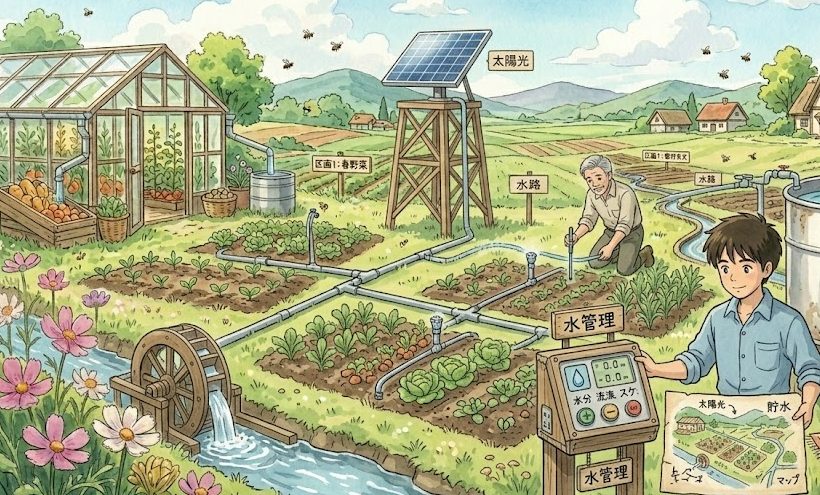
Introduction
Water is the backbone of agriculture. Without proper water management, even fertile soil cannot produce healthy crops. As global water resources become increasingly stressed, farmers must adopt efficient irrigation and conservation techniques.
Modern water management focuses on using every drop effectively while maintaining soil health and maximizing yield.
This detailed guide explains practical water-saving strategies that can transform agricultural productivity.
The Growing Importance of Water Efficiency
Agriculture uses a large share of freshwater resources worldwide. Inefficient irrigation causes:
- Waterlogging
- Nutrient leaching
- Soil erosion
- Increased energy costs
Efficient systems protect both farm income and environmental balance.
Understanding Crop Water Requirements
Different crops require different moisture levels.
For example:
- Rice requires standing water during early growth.
- Wheat needs moderate irrigation.
- Millet and sorghum tolerate dry conditions.
Understanding crop-specific needs prevents over-irrigation.
Modern Irrigation Methods
1. Drip Irrigation
Drip irrigation delivers water directly to plant roots through small tubes.
Benefits:
- Reduces evaporation
- Saves water significantly
- Minimizes weed growth
- Improves fertilizer efficiency
It is ideal for vegetable and fruit farming.
2. Sprinkler Irrigation
Sprinkler systems simulate natural rainfall.
Advantages:
- Even water distribution
- Suitable for uneven land
- Efficient for cereals and pulses
3. Subsurface Irrigation
Water is delivered below soil surface.
Benefits:
- Less evaporation
- Strong root development
- Reduced surface salinity
Rainwater Harvesting Systems
Farmers can capture and store rainwater using:
- Farm ponds
- Check dams
- Rooftop harvesting systems
- Field bunding
Stored water provides security during dry spells.
Soil Moisture Conservation Techniques
Mulching
Organic mulch such as straw or leaves:
- Retains soil moisture
- Reduces soil temperature
- Suppresses weeds
Conservation Tillage
Minimum tillage:
- Maintains soil structure
- Reduces evaporation
- Improves water infiltration
Cover Cropping
Planting cover crops between main crops:
- Prevents soil erosion
- Enhances organic matter
- Improves water retention
Smart Technology in Water Management
Modern farms increasingly use:
- Soil moisture sensors
- Automated irrigation timers
- Weather forecasting apps
- Satellite monitoring
These technologies reduce human error and improve irrigation scheduling.
Economic Benefits of Efficient Water Use
Farmers adopting modern water management often experience:
- Lower electricity bills
- Reduced fertilizer loss
- Higher crop consistency
- Improved long-term soil fertility
Efficient water use directly increases profitability.
Environmental Impact
Sustainable water management:
- Protects groundwater levels
- Prevents soil salinity
- Reduces chemical runoff
- Supports biodiversity
Responsible irrigation practices ensure long-term agricultural sustainability.
Conclusion
Water management is no longer optional — it is essential. Farmers who adopt efficient irrigation systems, moisture conservation practices, and modern monitoring tools gain both economic and environmental advantages.
By using water wisely, agriculture can remain productive while preserving natural resources for future generations.