Introduction
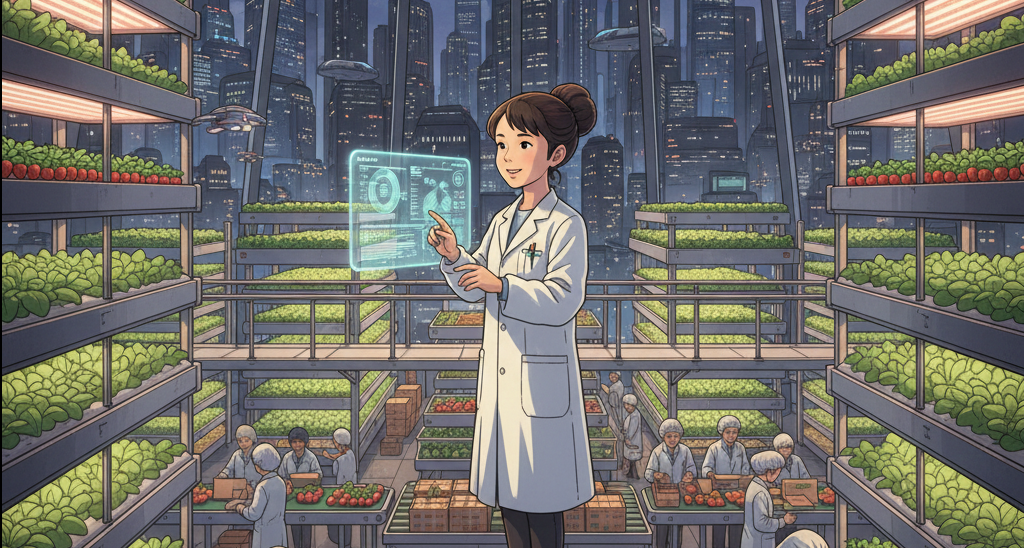
Modern agriculture is undergoing a transformation as farmers explore innovative methods to overcome land shortages and environmental challenges. Hidden farming has emerged as a powerful solution that allows crops to grow efficiently in indoor and controlled environments.
This approach uses smart technology and scientific farming methods to maximize production while minimizing resource consumption. Hidden farming is especially important in urban areas where traditional farming is not possible.
Understanding the Concept of Hidden Farming
Hidden farming involves cultivating crops in enclosed or less visible spaces rather than open agricultural fields. These systems rely on artificial lighting, controlled nutrients, and automated monitoring to create ideal growing conditions.
The main goal is to produce high-quality crops consistently while reducing dependence on weather and soil conditions.
Types of Hidden Farming Systems
Indoor Vertical Farming
Plants are grown in stacked layers inside buildings, maximizing production within limited space.
Hydroponic Farming
Plants grow in nutrient-rich water instead of soil, allowing faster growth and efficient nutrient absorption.
Container Farming
Shipping containers are converted into compact farms equipped with lighting and climate systems.
Basement or Underground Farming
Unused underground spaces are transformed into productive agricultural environments.
How Hidden Farming Works
Hidden farming systems carefully manage plant growth factors:
- Light intensity and duration
- Temperature levels
- Nutrient supply
- Water circulation
- Airflow and humidity
Automation ensures plants receive optimal conditions at every stage of growth.
Benefits of Hidden Farming
Consistent Crop Quality
Controlled environments produce uniform and high-quality crops.
Water Efficiency
Hydroponic systems can use up to 80–90% less water compared to traditional farming.
Reduced Chemical Use
Indoor systems reduce pest exposure, lowering the need for pesticides.
Faster Growth Cycles
Optimized conditions allow crops to mature more quickly.
Local Food Production
Urban hidden farms reduce the distance between farms and consumers.
Role of Smart Technology
Technology is the backbone of hidden farming.
Key tools include:
- Automated irrigation systems
- AI-based plant monitoring
- Environmental sensors
- Mobile farm management apps
These tools allow farmers to monitor crops remotely and improve efficiency.
Hidden Farming and Urban Agriculture
Cities face increasing demand for fresh food while having limited agricultural land. Hidden farming enables food production inside urban environments such as offices, rooftops, and warehouses.
Urban farming benefits include:
- Fresh produce availability
- Reduced transportation emissions
- Job creation in cities
- Sustainable food supply systems
Economic Potential
Hidden farming offers strong business opportunities due to rising demand for fresh and pesticide-free food.
Farmers can generate revenue through:
- Organic vegetable sales
- Premium restaurant supply chains
- Subscription-based vegetable delivery
- Specialty herb cultivation
With proper management, hidden farms can become profitable within a few years.
Sustainability and Environmental Impact
Hidden farming contributes to environmental sustainability by conserving natural resources.
Positive impacts:
- Lower water consumption
- Reduced land usage
- Controlled waste production
- Efficient nutrient management
These systems support environmentally responsible agriculture.
Challenges and Solutions
Common challenges include:
- High electricity usage
- Initial investment costs
- Technical learning curve
Solutions include renewable energy integration, improved LED efficiency, and government support programs encouraging modern agriculture.
Future Trends in Hidden Farming
The future of hidden farming will likely include advanced automation and AI integration. Smart systems will automatically adjust growing conditions based on plant needs, improving yield and reducing labor requirements.
As technology becomes more affordable, hidden farming may become a mainstream agricultural method worldwide.
Conclusion
Hidden farming is redefining agriculture by enabling food production in controlled indoor environments. With efficient resource usage, reduced environmental impact, and consistent crop production, it represents a promising solution for modern food challenges.
By combining smart technology with sustainable practices, hidden farming offers a practical path toward secure and efficient food production for future generations.