➡️ INTRODUCTION
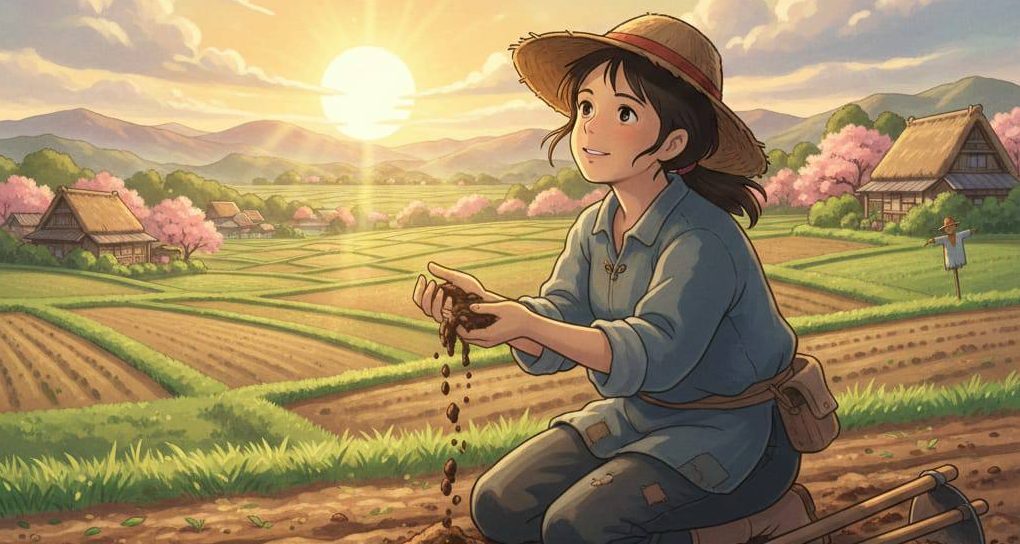
→ Successful farming begins long before the first seed touches the soil. What separates highly productive farmers from the rest is their preparation and planning before sowing. Proper pre-sowing practices ensure seeds have the right environment to germinate, grow strong roots, and develop into healthy plants. By understanding soil conditions, selecting quality seeds, and optimizing planting techniques, farmers can increase crop yield, reduce risks of diseases, and save resources. Implementing these strategies not only improves productivity but also ensures sustainable farming practices. Learning what successful farmers do before sowing can provide practical insights that benefit both small and large-scale farmers worldwide.
➡️ Key Points / Benefits
→ Ensures better germination rates and healthier seedlings
→ Reduces risks of soil-borne diseases and pests
→ Optimizes nutrient availability for young plants
→ Improves water efficiency and irrigation planning
→ Enhances overall crop yield and quality
→ Saves time, labor, and input costs
🔵 1️⃣ → Soil Preparation and Testing
Healthy crops start with healthy soil. Successful farmers invest time in understanding their soil’s properties before sowing.
Practical steps:
- Conduct soil testing to determine pH, nutrient levels, and texture
- Apply necessary amendments like lime or organic compost to balance pH
- Loosen compacted soil with tillers or manual tools for proper root penetration
- Remove weeds and debris that compete with seedlings
Benefits:
- Provides ideal conditions for seed germination
- Reduces the need for excessive fertilizers later
- Encourages strong root growth and plant resilience
🔵 2️⃣ → Selecting the Right Seeds
Choosing quality seeds can make or break a season.
Tips for seed selection:
- Opt for certified, disease-resistant, and high-yield varieties
- Consider climate suitability and seasonal conditions
- Avoid seeds from previous poor-yield crops
- Treat seeds with natural protectants if needed before sowing
Advantages:
- Ensures uniform crop growth
- Reduces vulnerability to pests and diseases
- Improves overall harvest quality
🔵 3️⃣ → Planning Planting Patterns and Spacing
How seeds are planted affects growth, sunlight exposure, and airflow.
Practical guidance:
- Follow recommended spacing for each crop type
- Consider intercropping to improve land use and reduce pests
- Align rows with sunlight direction to maximize photosynthesis
- Adjust patterns based on irrigation methods
Benefits:
- Reduces competition for nutrients and water
- Improves airflow to prevent fungal growth
- Enhances crop density without compromising quality
🔵 4️⃣ → Pre-Irrigation and Moisture Management
Proper soil moisture ensures seeds germinate efficiently.
Actionable tips:
- Water fields lightly a day or two before sowing
- Avoid waterlogging, which can cause seed rot
- Monitor soil moisture during the pre-sowing stage
- Use mulch or cover crops if necessary to retain moisture
Advantages:
- Promotes faster and uniform germination
- Strengthens roots as they emerge
- Saves water by reducing irrigation needs later
🔵 5️⃣ → Pest and Disease Prevention Measures
Preventing problems before planting is more effective than treating them afterward.
Step-by-step practices:
- Rotate crops to prevent soil-borne pathogens
- Remove crop residues that attract pests
- Apply natural soil conditioners or bio-fertilizers
- Monitor nearby fields for potential infestations
Dos and Don’ts:
- Do act before sowing, not after a problem arises
- Don’t rely solely on chemicals; focus on preventive measures
Benefits:
- Reduces crop losses during early growth stages
- Maintains healthier seedlings
- Minimizes long-term input costs
➡️ CONCLUSION
→ Successful farmers know that pre-sowing preparation is the key to high yields. By testing soil, selecting quality seeds, planning planting patterns, managing moisture, and taking preventive pest measures, they create optimal conditions for crops to thrive. Implementing these practices reduces risks, improves productivity, and supports sustainable farming. For any farmer, investing effort before sowing ensures stronger seedlings, higher yields, and long-term benefits. Following these strategies can transform a regular season into a highly productive one, making every seed sown count toward a successful harvest.