➡️ INTRODUCTION
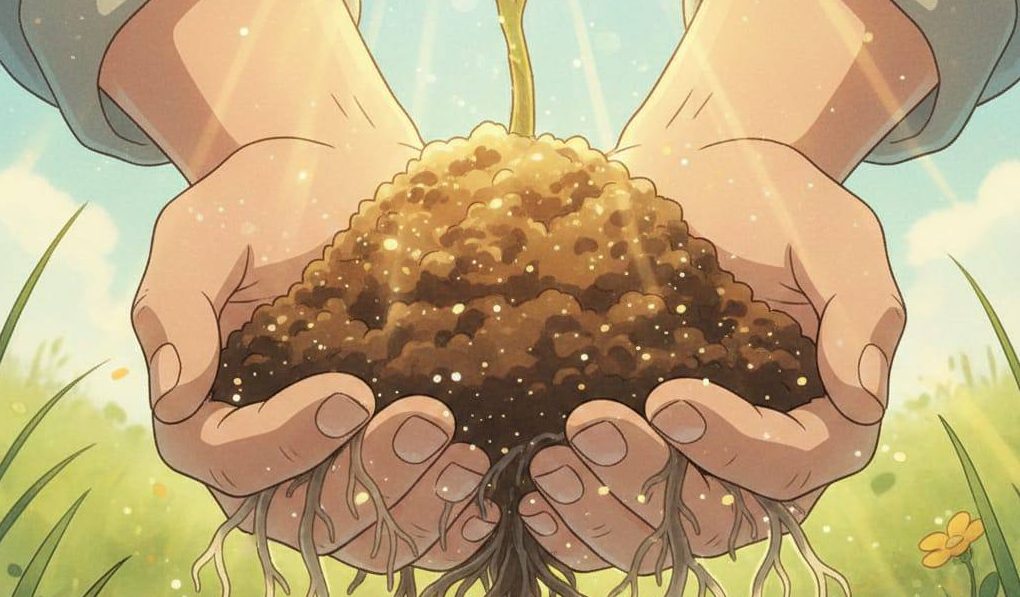
→ Many small farmers focus on immediate tasks like planting, watering, and applying fertilizers, often overlooking a farming method that can transform productivity and sustainability: crop diversification combined with rotational planting. This method, although simple, is ignored by many due to lack of awareness or perceived complexity. By adopting it, farmers can improve soil health, reduce pest and disease risks, and increase overall yield. This approach also helps small farmers manage risks during market fluctuations and unpredictable weather. Understanding and implementing this method provides long-term advantages, reduces dependency on chemical inputs, and promotes resilient, sustainable farming practices that benefit both the land and the farmer’s income.
➡️ Key Points / Benefits
→ Enhances soil fertility and structure naturally
→ Reduces pest and disease pressure without chemicals
→ Optimizes land use for higher productivity
→ Mitigates risks from unpredictable weather
→ Reduces reliance on synthetic fertilizers and pesticides
→ Promotes long-term sustainability and resilience
🔵 1️⃣ → Understanding Crop Diversification
Crop diversification involves planting multiple types of crops in the same field over different seasons or simultaneously in different plots. Small farmers often plant the same crop repeatedly, which can deplete soil nutrients and increase vulnerability to pests.
Practical steps:
- Identify crops suitable for your soil and climate
- Mix short-term and long-term crops to balance income and soil benefits
- Include legumes to naturally fix nitrogen in the soil
Benefits:
- Balanced soil nutrients reduce the need for synthetic fertilizers
- Multiple crops decrease pest and disease outbreaks
- Provides multiple income streams throughout the year
By understanding the principles of crop diversification, farmers can achieve healthier soils and stronger, more resilient harvests.
🔵 2️⃣ → Implementing Crop Rotation
Crop rotation is a simple method that small farmers often skip. Rotating crops over different seasons helps prevent nutrient depletion and interrupts pest and disease cycles.
How to implement:
- Divide your field into sections and rotate crops annually
- Alternate heavy feeders (e.g., maize) with light feeders (e.g., legumes)
- Include cover crops during off-seasons to maintain soil health
Advantages:
- Reduces the risk of soil-borne diseases
- Improves nutrient balance and organic matter
- Encourages beneficial insects and microbes
Consistent crop rotation ensures sustainable yields and decreases the need for chemical inputs over time.
🔵 3️⃣ → Cover Crops for Soil Protection
Cover crops are planted primarily to protect and enrich the soil rather than for harvest. Many small farmers ignore this step, but it can dramatically improve soil fertility and reduce erosion.
Step-by-step guidance:
- Plant cover crops like clover, rye, or vetch during off-seasons
- Mow or incorporate the cover crop into the soil before planting the next crop
- Avoid overcompaction during incorporation to maintain soil structure
Benefits:
- Adds organic matter to the soil
- Retains moisture and prevents erosion
- Attracts beneficial insects and reduces weeds naturally
Cover crops are a low-cost, low-maintenance way to boost productivity while protecting the environment.
🔵 4️⃣ → Natural Pest and Disease Management
Ignoring natural pest control is common among small farmers. Over-reliance on chemicals can harm soil health and beneficial organisms. By using natural methods alongside crop rotation and diversification, farmers can protect crops more effectively.
Practical tips:
- Encourage natural predators such as ladybugs, spiders, and birds
- Plant pest-repelling companion crops like marigolds or garlic
- Remove diseased plants promptly to prevent spread
Advantages:
- Reduces dependency on pesticides
- Protects beneficial soil and plant organisms
- Promotes a balanced ecosystem for long-term crop health
Integrating natural pest management strengthens plant resilience and reduces input costs.
🔵 5️⃣ → Monitoring and Maintaining the System
The success of this method depends on consistent monitoring and adjustment. Small farmers often neglect this step, leading to inefficiency and lower productivity.
Step-by-step approach:
- Track crop growth, soil health, and pest activity regularly
- Adjust rotations or companion crops based on observations
- Maintain a simple log of planting dates, yields, and field changes
- Periodically test soil for nutrient levels
Dos and don’ts:
- Do observe crops and soil daily
- Do maintain consistent rotation and diversification
- Don’t revert to monocropping due to short-term convenience
- Don’t ignore minor pest or soil issues
Routine monitoring ensures that the system works efficiently, delivering maximum benefits over time.
➡️ CONCLUSION
→ The farming method most small farmers ignore—crop diversification, rotation, cover crops, and natural pest management—offers a simple yet powerful path to sustainable productivity. By adopting these practices, farmers can maintain soil fertility, reduce chemical dependency, protect crops naturally, and secure multiple income streams. Consistent observation, planning, and maintenance transform small farms into resilient, productive systems that thrive despite pests, diseases, and unpredictable weather. Implementing this overlooked method equips farmers with tools for long-term success, higher yields, and healthier soils, ultimately benefiting both the land and the farmer’s livelihood.