➡️ INTRODUCTION
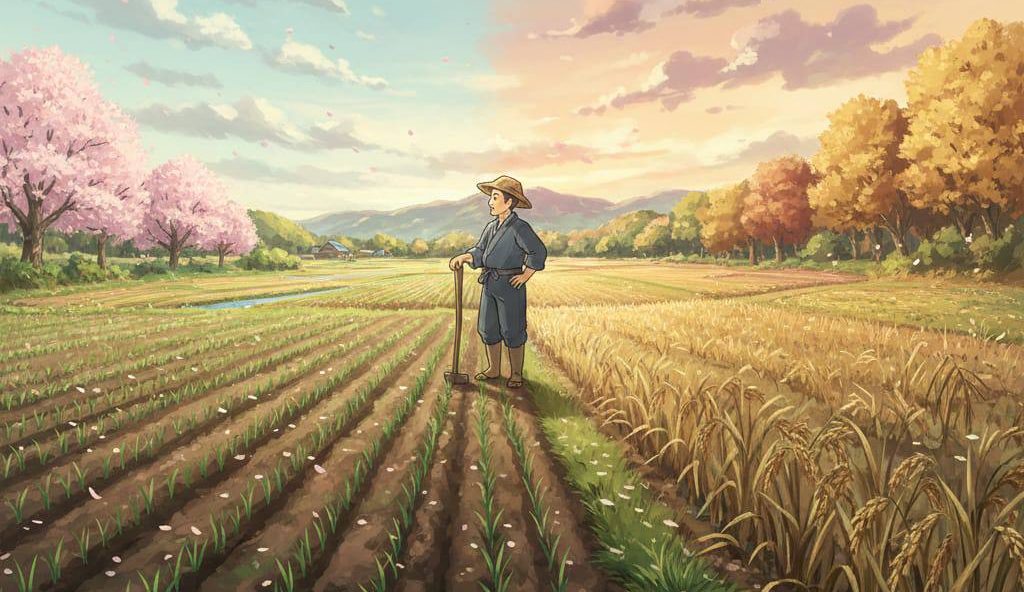
→ Many people believe that crops should be planted strictly by the calendar season, such as summer, winter, or monsoon. However, the best time to plant is not always the season you think. Successful planting depends on several hidden factors like soil temperature, moisture, local climate patterns, and crop variety. When farmers and gardeners understand these factors, they can improve germination, reduce crop stress, and increase overall yield. Planting at the right time also helps save water, reduce pest attacks, and lower input costs. By learning how to look beyond traditional seasons, growers can make smarter decisions that lead to healthier plants and more reliable harvests.
➡️ Key Points / Benefits
→ Better seed germination and early plant growth
→ Reduced risk of pests, diseases, and weather damage
→ Improved crop yield and quality
→ Efficient use of water, fertilizer, and labor
→ Greater flexibility in crop planning
→ Long-term soil and farm sustainability
🔵 1️⃣ → Understanding Soil Temperature Over Calendar Dates
Soil temperature plays a major role in seed germination, yet it is often ignored in traditional planting decisions. Seeds need a specific temperature range to sprout properly. If planted too early, seeds may rot or grow slowly. If planted too late, crops may face heat or moisture stress.
Practical steps to follow include:
- Check soil temperature using a simple soil thermometer.
- Learn the ideal temperature range for your crop.
- Wait until the soil consistently stays within that range.
For example, many vegetables grow better when soil temperatures are stable rather than when air temperatures feel warm. By focusing on soil conditions instead of calendar dates, farmers can avoid early failures and achieve stronger plant establishment.
🔵 2️⃣ → Local Climate Matters More Than General Seasons
General seasons are broad guidelines, but local climate conditions often differ greatly within the same region. Rainfall timing, humidity, wind patterns, and temperature fluctuations can all affect planting success. A crop planted at the “right season” may still fail if local conditions are unfavorable.
To adapt to local climate:
- Observe weather patterns over several years.
- Use short-term weather forecasts before planting.
- Adjust planting dates based on rainfall and temperature trends.
For instance, planting just before steady rainfall begins can reduce irrigation needs and help seedlings establish faster. Farmers who adapt to local conditions rather than fixed seasons often experience fewer losses and more consistent results.
🔵 3️⃣ → Crop Variety Changes the Ideal Planting Time
Not all crop varieties behave the same way, even within the same crop type. Some varieties mature faster, while others tolerate cold, heat, or drought better. Choosing the right variety can change when planting should occur.
Key considerations include:
- Early-maturing varieties may allow earlier or later planting.
- Heat-tolerant varieties can handle warmer planting periods.
- Disease-resistant varieties reduce risk during humid conditions.
Mistakes to avoid:
- Planting all varieties at the same time without checking their needs.
- Ignoring seed packet or supplier recommendations.
By matching planting time with the specific variety, growers can improve survival rates and maximize productivity without increasing costs.
🔵 4️⃣ → Moisture Availability Is a Critical Timing Factor
Water availability often matters more than the season itself. Seeds and young plants are highly sensitive to moisture stress. Planting when soil moisture is adequate can make the difference between success and failure.
Practical guidance includes:
- Test soil moisture before planting.
- Plant after light rainfall rather than heavy storms.
- Avoid planting when long dry periods are expected.
For rain-fed farming, timing planting with the first reliable rains is crucial. In irrigated systems, planting when water supply is stable helps reduce stress. Proper moisture timing supports root development and reduces the need for replanting.
🔵 5️⃣ → Planning Around Pests, Diseases, and Stress Periods
Certain pests and diseases appear at specific times of the year. Planting at the wrong time can expose crops to peak pest pressure or harsh weather conditions. Smart planting timing can naturally reduce these risks.
Step-by-step planning advice:
- Identify common pests and disease seasons in your area.
- Adjust planting dates to avoid peak infestation periods.
- Avoid planting during extreme heat, frost, or storms.
Dos and don’ts:
- Do monitor crop health closely during early growth.
- Do not rush planting just because the season has started.
By avoiding high-risk periods, farmers can reduce chemical use and protect crops naturally, leading to healthier harvests and lower expenses.
➡️ CONCLUSION
→ The best time to plant is not always defined by traditional seasons but by a combination of soil temperature, local climate, crop variety, moisture availability, and risk factors. By paying attention to these practical indicators, farmers and gardeners can make better planting decisions that improve germination, reduce losses, and increase yields. Smart timing also helps save resources and supports long-term sustainability. Instead of relying only on the calendar, observing field conditions and planning carefully can lead to more consistent success. Applying these practices allows growers to work with nature rather than against it, resulting in healthier crops and more rewarding harvests.