➡️ INTRODUCTION
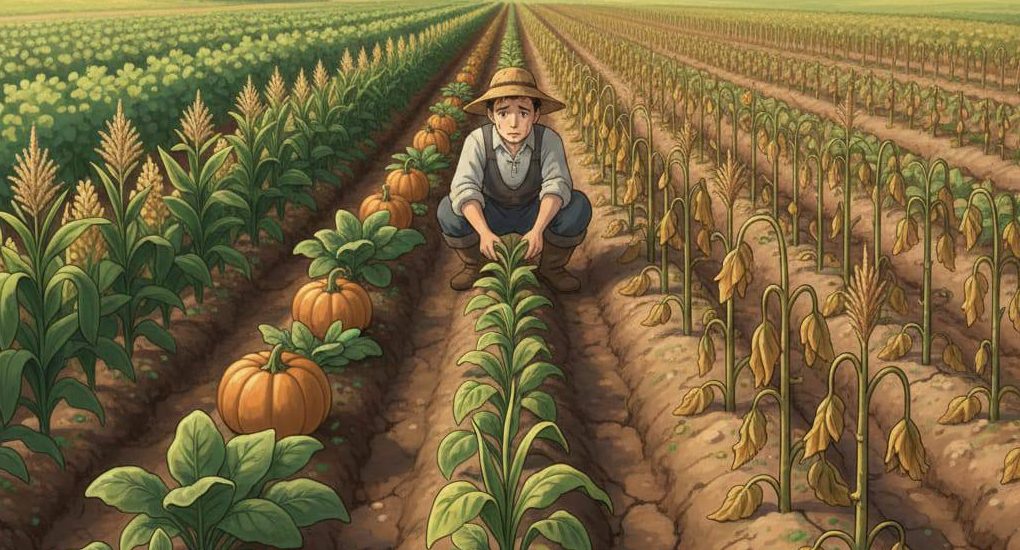
→ Crops do not get sick without a reason. Plant diseases are usually the result of stress, poor growing conditions, or management mistakes rather than sudden bad luck. When crops become weak, they are more likely to be attacked by pests, fungi, bacteria, or viruses. Understanding why crops get sick helps farmers prevent problems instead of reacting after damage has occurred. This knowledge allows growers to reduce losses, lower chemical use, and improve crop health naturally. By identifying the real causes of crop sickness, farmers can make better decisions about soil care, water management, and crop timing, leading to stronger plants and more reliable harvests.
➡️ Key Points / Benefits
→ Helps identify the real causes of crop diseases
→ Reduces unnecessary pesticide and chemical use
→ Improves plant strength and natural resistance
→ Saves money by preventing repeated crop losses
→ Supports healthier soil and growing conditions
→ Leads to more stable and predictable yields
🔵 1️⃣ → Weak Soil Creates Weak Crops
Healthy soil is the foundation of healthy crops. When soil lacks nutrients, organic matter, or proper structure, plants grow weak and become more vulnerable to disease. Poor soil conditions reduce root growth, limit nutrient uptake, and stress plants from the beginning.
Practical steps to improve soil health include:
- Adding organic matter such as compost or crop residues.
- Avoiding excessive tillage that damages soil structure.
- Checking soil drainage to prevent waterlogging.
For example, compacted or nutrient-poor soil limits oxygen and water movement. Crops grown in such conditions struggle to defend themselves against disease. Strong soil supports strong roots, which help crops resist infections naturally.
🔵 2️⃣ → Water Stress Triggers Crop Diseases
Both too much and too little water can make crops sick. Overwatering creates conditions where fungal and bacterial diseases thrive, while underwatering weakens plants and slows growth.
Key tips for proper water management include:
- Watering according to crop growth stage and soil type.
- Avoiding standing water around plant roots.
- Ensuring good field drainage during rainy periods.
Mistakes to avoid:
- Watering on a fixed schedule without checking soil moisture.
- Ignoring signs of water stress such as wilting or yellowing.
Balanced watering keeps plants strong and reduces disease pressure. Crops grown under stable moisture conditions are better able to resist infections.
🔵 3️⃣ → Poor Crop Timing Increases Disease Risk
Planting at the wrong time exposes crops to unfavorable weather and disease conditions. Many diseases spread more rapidly during specific temperature and humidity ranges.
Actionable guidance includes:
- Planting when temperatures favor healthy growth.
- Avoiding planting during prolonged wet or humid periods.
- Matching crop varieties with the right season.
Advantages of proper timing:
- Reduced exposure to peak disease periods.
- Faster crop establishment and stronger early growth.
For example, late planting may cause crops to face high humidity during flowering, increasing disease risk. Correct timing helps crops grow during safer periods with lower disease pressure.
🔵 4️⃣ → Nutrient Imbalance Weakens Plant Defenses
Plants need balanced nutrition to stay healthy. Too much or too little of certain nutrients can weaken plant tissues and invite disease.
Practical nutrition tips include:
- Applying fertilizer based on soil needs rather than habit.
- Avoiding excessive nitrogen that causes weak, soft growth.
- Ensuring adequate micronutrients for plant immunity.
Mistakes to avoid:
- Applying fertilizer without understanding soil condition.
- Using fertilizer to fix problems caused by poor timing or water stress.
Balanced nutrition strengthens cell walls and improves plant resistance. Healthy plants are less attractive to pathogens and recover faster from stress.
🔵 5️⃣ → Continuous Cropping Builds Disease Pressure
Growing the same crop repeatedly on the same land increases disease buildup in the soil. Pathogens survive and multiply when their preferred host is always available.
Step-by-step prevention strategies include:
- Rotating crops with different root and nutrient needs.
- Including break crops that interrupt disease cycles.
- Removing infected crop residues after harvest.
Dos and don’ts:
- Do monitor disease patterns across seasons.
- Do not ignore early signs of recurring problems.
Crop rotation reduces disease pressure naturally and improves soil health. This simple practice prevents long-term problems that chemicals alone cannot solve.
➡️ CONCLUSION
→ Crops do not get sick without a reason. Disease is usually a sign of deeper problems such as poor soil health, water stress, wrong timing, nutrient imbalance, or repeated cropping. By identifying and correcting these root causes, farmers can prevent many diseases before they appear. This approach reduces chemical use, lowers costs, and supports healthier crops. Focusing on prevention rather than reaction helps farmers build stronger plants and more resilient farms. When crops grow in balanced and supportive conditions, they are naturally better protected and more productive over the long term.