➡️ INTRODUCTION
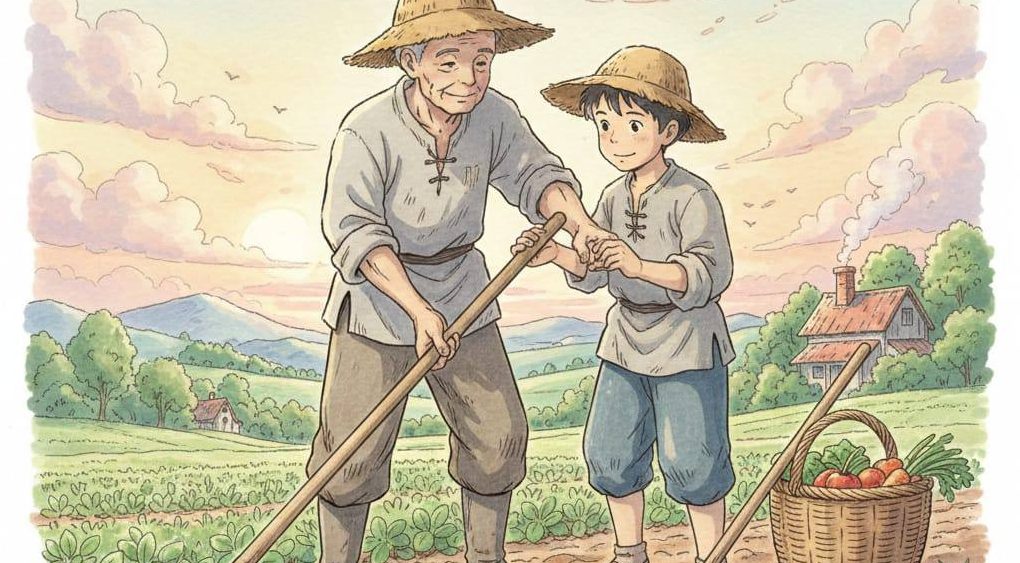
→ For generations, farmers passed down simple yet powerful techniques that worked in harmony with nature. These methods were not written in manuals but learned through observation, patience, and experience. Over time, many of these practices were replaced by faster, input-heavy approaches, even though the older methods often delivered stable yields and healthier land. One such farming technique, widely known in the past but rarely followed today, focuses on understanding the field before acting. This technique matters because it helps reduce crop stress, lowers costs, and improves long-term soil health. By revisiting and applying this traditional approach, modern farmers can gain better control over pests, nutrients, and productivity while protecting their land for the future.
➡️ Key Points / Benefits
→ Encourages careful observation before taking action
→ Improves soil and crop health naturally
→ Reduces unnecessary inputs and expenses
→ Prevents long-term damage to land and yields
→ Builds resilience against pests and weather stress
→ Supports sustainable and balanced farming systems
🔵 1️⃣ → Understanding the Technique: Observe Before You Act
This traditional farming technique is based on a simple principle: observe the field closely before making decisions. Earlier farmers spent time watching soil condition, plant color, pest behavior, and moisture levels before planting or applying anything.
Practical steps include:
- Walking the field regularly, not just during problems
- Checking soil texture, smell, and moisture by hand
- Noting plant growth patterns and uneven areas
Instead of reacting quickly to symptoms, this approach helps identify root causes. For example, yellow leaves may indicate poor drainage rather than nutrient shortage. Observation allows farmers to respond accurately, saving time, money, and crops.
🔵 2️⃣ → Why Older Farmers Trusted Timing Over Speed
Traditional farmers believed that timing was more important than speed. They waited for the right soil moisture, temperature, and plant stage before planting or cultivating. Today, rushing operations often leads to weak root systems and higher crop stress.
Good timing practices include:
- Planting only when soil conditions are suitable
- Avoiding field work when soil is too wet
- Applying nutrients when crops can absorb them
This patience reduces compaction, improves germination, and supports steady growth. Farms that respect timing often experience fewer problems later in the season, proving that waiting can be more productive than rushing.
🔵 3️⃣ → Mistakes Made When This Technique Is Ignored
Ignoring observation and timing leads to common farming mistakes. These mistakes often increase dependency on corrective measures later.
Common errors include:
- Applying inputs without diagnosing the problem
- Following fixed schedules instead of field conditions
- Ignoring early warning signs from crops
When farmers skip observation, small issues grow into major losses. For example, early pest presence may go unnoticed until damage becomes severe. This technique helps prevent such situations by encouraging awareness and early action rather than late intervention.
🔵 4️⃣ → How This Technique Supports Soil and Crop Balance
Observation-based farming helps maintain balance between soil, crops, and the environment. By understanding field conditions, farmers avoid overuse of water, nutrients, and treatments.
Balanced practices include:
- Adjusting irrigation based on actual soil moisture
- Applying organic matter where soil is weak
- Allowing beneficial organisms to thrive
This balance strengthens root systems and improves nutrient cycling. Over time, soil becomes more fertile and stable. Crops grown in balanced conditions are naturally stronger and better able to resist pests and diseases.
🔵 5️⃣ → How to Apply This Technique Today: Step-by-Step
This traditional technique can easily be applied in modern farming with small changes.
Step-by-step approach:
- Schedule regular field walks each week
- Keep simple notes on soil, plants, and weather
- Delay actions until the cause of a problem is clear
- Make small, targeted adjustments instead of large changes
Dos and don’ts:
- Do trust field signs over fixed calendars
- Do act early once the cause is identified
- Don’t rush decisions without observation
- Don’t rely on one solution for all problems
Consistent use improves decision-making and long-term farm health.
➡️ CONCLUSION
→ A farming technique passed down through generations reminds us that careful observation and proper timing are key to successful agriculture. While modern tools offer speed, this traditional approach offers understanding. By watching the field closely, identifying root causes, and acting thoughtfully, farmers can reduce costs, protect soil, and grow stronger crops. This method does not require major investment, only patience and attention. Farmers who revive this practice often find their land becoming more balanced and productive over time. Following this simple yet powerful technique can help build sustainable farms that remain healthy and profitable for years to come.